
How EV charging points could be used to help the high street

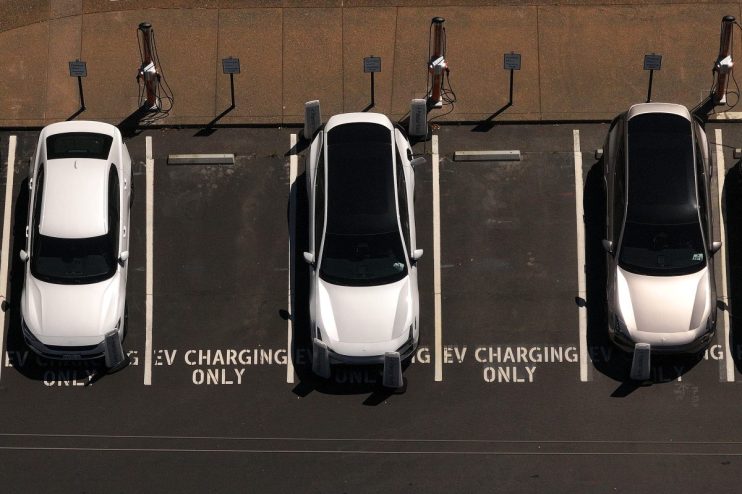
EVs could help revive our high streets – if we put charging points where people actually go, writes Robin Heap
London’s high streets are getting quieter – and not just in the way we hoped.
The diesel rattle of buses, the whine of mopeds, and the revs of petrol cars in traffic are steadily giving way to the low hum of electric vehicles (EVs) and the whisper of e-scooters. Cleaner. Greener. Quieter.
At the same time, high streets are sadly quieter because they’re emptier too. Footfall is falling, shops are shuttering and communities are suffering. Online shopping, rents and the legacy of lockdowns have all had an impact, but another often overlooked factor is where and how this country is rolling out EV charging infrastructure.
Imagine if whenever you needed to fill up your petrol car, the nearest station was the motorway services 15 miles away. You would think it absurd. Yet that’s effectively the experience for many electric vehicle owners today.
Too often EV charging points are installed in out-of-the-way locations, such as retail parks, depots, motorway service areas and underutilised areas on city fringes. Planners have a very difficult task, but sadly the results often don’t work for drivers – and certainly not for communities.
For understandable reasons, much of the policy conversation has focused on speed: how quickly chargers can be installed, and targets can be met. Little has been said about location, which matters just as much.
The industry has forgotten the consumer
When petrol cars first went mainstream, oil companies didn’t expect drivers to trek to a refinery. They built petrol stations in the heart of communities. On estates, beside shops, even under flats.
There are still magnificent examples in London: elegant old forecourts integrated into the local architecture, on Marylebone Road, Park Lane and Vauxhall Bridge Road.
In the past, they understood something we’ve forgotten: if you want new transport to work for the masses, it has to be convenient, visible and local.
Community-first thinking like this is too often missing from a lot of modern EV infrastructure planning. I recently saw a proposal for eight slow chargers next to a bus station with no shops, cafes or toilets nearby. The idea was that drivers would leave their car, catch a bus somewhere else, then return hours later. It made no sense. A single rapid charger for taxis would have been far more useful.
Ultimately what’s missing is a consumer mindset, asking simply, “what would make sense for the average person?” This matters because by designing infrastructure with the individual in mind, we also support the collective.
How EV charging can help the high street
Convenient, high-street-based charging brings people back into local centres. It boosts footfall, helps struggling businesses and creates local jobs. Just as free parking was once used to tempt shoppers back from out-of-town retail centres, smart EV charging can help revive high streets.
It’s already happening. In Bolton, my company – an infratech business helping public and commercial landowners install EV charge points – recently regenerated a former council carpark into a new ultra-rapid charging hub just off St George’s Road, a stone’s throw from the shops. Projects like this show what’s possible when infrastructure meets people where they are.
Looking to the future, local authorities and businesses could go further, offering shop discounts to drivers using EV chargers, or integrating loyalty schemes to encourage people to spend while they wait.
London already hosts around 31 per cent of the UK’s public EV charge points. Whilst it is doing well, maintaining that lead means going beyond raw numbers.
Zest has worked with Transport for London and local authorities as part of the Mayor’s Electric Vehicle Infrastructure Delivery (EVID) Project. The Mayor’s ambitions – rightly – include encouraging EV use and reducing unnecessary car journeys.
Better charging infrastructure locations will naturally help drive this change.
As EV ownership rises, especially among those without driveways or garages, this kind of community-based infrastructure won’t just be a nice-to-have, it will be essential.
If we get it right, it won’t just recharge our vehicles. It might just help recharge our local high streets too.
Robin Heap is CEO and founder at Zest