
Lessons in comms from my children’s primary school

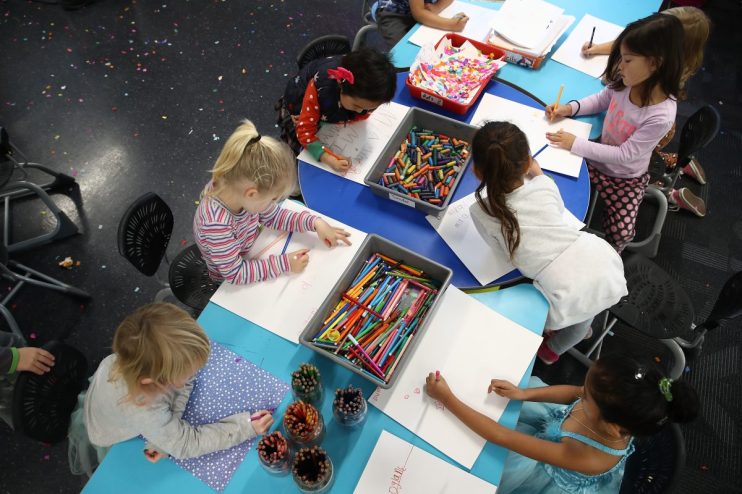
As the London heatwave sends primary schools into meltdown, comms expert Adam Smith reflects on what we can learn
At first glance, you might think a FTSE 100 boardroom and a London primary school staffroom have little in common. As Brits sweat our way through another heatwave, headteachers are once again cracking open the crisis playbook and figuring out not just how to cope with extreme temperatures but also how to communicate that plan and its consequences.
But all too often, that playbook is flawed.
If, like me, you have school age kids, you’ll have seen school Whatsapps flooded with parents panicking about what the heat might mean for their carefully choreographed schedules. This is magnified by the schools themselves doing their best Keir Starmer impression, flip-flopping on heatwave strategies at the drop of a wide-brimmed (and UV-safe) hat.
Take a colleague of mine, who was mid-spreadsheet on Wednesday morning when she received an urgent email from school, sent at precisely 11:15 AM.
“Due to the extreme heat, school will close today at 12:00 PM. Please arrange an immediate collection.”
Forty-five minutes. Are you serious? Working parents were given less than an hour to abandon their desks and embark on a midday rescue mission across London in its peak Fury Road era. To the best of my knowledge this is not the result of a stealth ‘sun ray’ attack by intergalactic interlopers – this weather has been forecast for weeks.
I think we can all agree that in these very foreseeable circumstances, that appropriate planning and decisions could have been made and clearly communicated before today.
There are some that exemplify best practice. My son’s school made an early, definitive call to cancel their trip to Kensington Palace – corralling 30 boiling seven-year-olds amongst an agitated commuter throng on the Central Line in these temperatures may have sparked a riot. That was a masterclass in proactive logistics.
What do London primary schools and big corporations have in common?
So why is this corporate comms professional ranting about the heat and schools? Too often corporations are also left ill-prepared for even the most predictable crisis, falling into the classic communication traps:
The stakeholder dance: A seemingly endless array of ‘decision makers’ who must be involved in shaping any communications that are distributed both internally or externally.
Analysis paralysis: Everyone wants to wait for perfect data (or would rather wait to see what the school down the road does) rather than making an authoritative call based on objectivity and experience.
The chaotic pivot: Staying silent to avoid rocking the boat, only to make a last-ditch announcement to a frustrated audience when the pressure reaches boiling point (literally).
The C-suite takeaway
You might be C-suite reading this and be nodding away at some of these musings. But whether managing shareholder value or classrooms full of over-heated kids, the golden rule of communication remains the same: clear, early, planned and decisive always beats late and panicked.
If corporations and primary schools want to ride high through their next crisis, it’s important that they plan, plan, plan. That will avoid the glaringly obvious future events being treated like a bolt from the blue – drawing a definitive line under the decision before boiling point.
Otherwise, everyone just ends up hot, bothered and desperately looking for someone to blame.