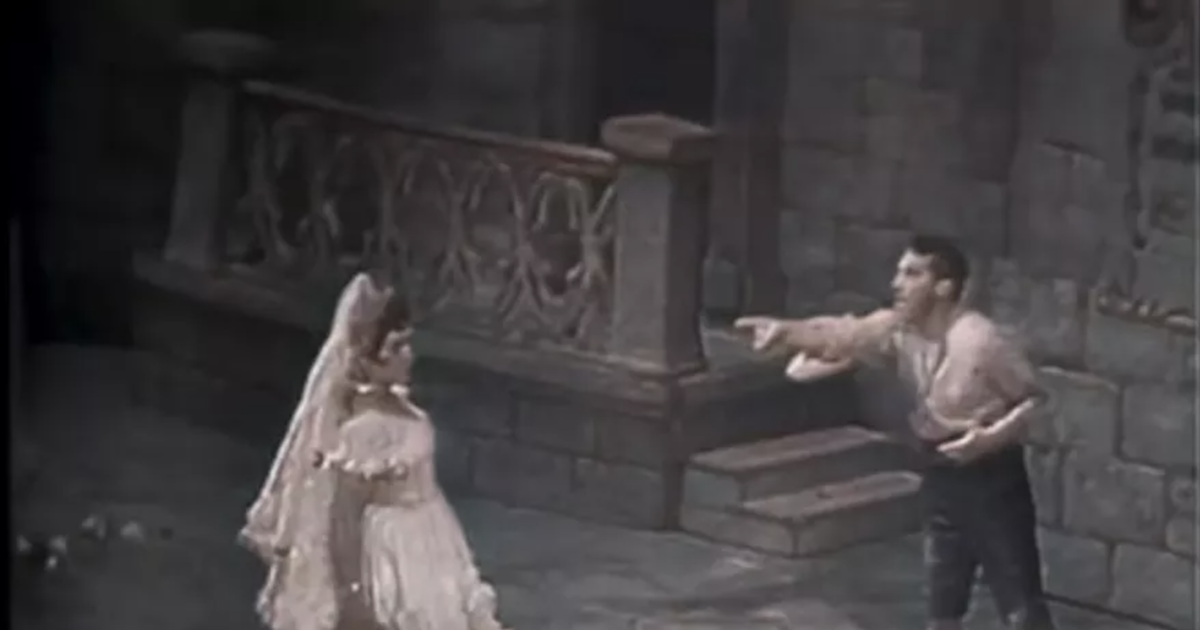
When my mother used to sing Puccini’s La Bohème to herself, the lyrics were not “Che gelida manina, se la lasci riscaldar,” but rather, “Que cette main est froide, laissez-moi la réchauffer” (How cold this little hand is, let me warm it for you).
That was what she had always heard in the post-War years. When Georges Thill, the star tenor of the Paris Opera in the 1930s, launched into Lohengrin’s monologue, audiences did not hear “In fernem Land, unnahbar euren Schritten,” but: “Aux bords lointains dont nul mortel n’approche” (On distant shores no mortal may approach).
The main argument in favor of translation is that it makes the action understandable to audiences. But for that to work, singers’ diction must be perfect—which was indeed the case through much of the 20th century, as archival recordings attest. It has become far more complicated over the past 50 years, as vocal schools have paid more attention to sound than to words. That shortcoming is now compensated for by subtitles, which…