
Coronavirus: How has a year of lockdowns changed the way we shop?


One year ago today Boris Johnson announced the UK would enter its first coronavirus lockdown, forcing non-essential shops, pubs and restaurants to close in an unprecedented move to slow the spread of Covid-19.
The way we shop had changed before the Prime Minister addressed the nation on the evening of 23 March 2020.
Images of empty supermarkets did the rounds on social media as panicked consumers stocked up on essentials and grocery delivery slots were impossible to secure due to a spike in demand.
How has a year spent mostly in lockdown changed the way we shop?
Online grocery delivery
One of the most notable changes during lockdown has been the surge in demand for online grocery deliveries, with experts expecting the trend to continue even after the pandemic is over.
Barclaycard data showed a 115.2 per cent increase in online grocery spend in February, compared to the same month last year.
The trend is even more pronounced among the over 65s, whose online supermarket spend more than quadrupled year-on-year as they were previously the least likely to use the service and were the most at-risk during the pandemic.
Almost six in 10 Brits say they’ll continue to buy at least some of their groceries online even after all restrictions end.
However, brick-and-mortar supermarkets will remain crucial for the four in ten (39 per cent) people who plan to continue buying all of their groceries in-store.
Online shopaholics
Being confined to their homes hasn’t stopped people from splashing the cash, as the closure of non-essential stores means consumers have just been getting their purchases delivered instead.
Shoppers have received an extra two deliveries per month since March 2020, up to seven parcels compared to five.
The equates to more than 86 packages in total over the course of a year.
More than half of UK adults said they expect to receive either the same amount of parcels and 10 per cent said they would be buying more in the future.
Click & collect
One in three consumers said they have used click and collect services more frequently since the start of the pandemic.
On average, shoppers now use the service three times per month compared to twice a month in 2019.
Almost all of those who have been using click and collect more often since the start of the pandemic will keep this up once all restrictions have been lifted.
Rising returns
In the last 12 months, more than half of Brits have returned items that they have bought online, compared to 47 per cent in the same period in 2019 and 46 per cent in 2016.
In total, 12 per cent of consumers reported returning more because they are not able to try items on in-store and nine per cent have used home deliveries as a try-on service, ordering multiple sizes and colours in the absence of a shop changing room.
However, returns pose a number of challenges to retailers, both logistically and financially.
Retailers could try and “decentivise” excessive returns once lockdown restrictions end by tightening up their policies.
“Come to me” retail
Since the start of the pandemic, one in 10 of consumers have used a new retail service dubbed “come to me” retail, where a concierge-style service delivers clothing to customers’ homes and waits while they try it on.
This means they can immediately return any items they don’t want.
Of those who have used the service, 94 per cent of customers are planning to use it again, and a third of shoppers said they would be more inclined to buy from a brand offering it as an option.
Mobile payments soaring
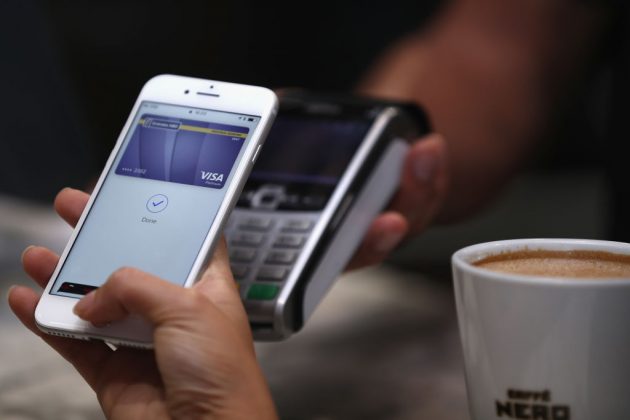
Lockdowns have changed not only what we buy and where we buy it, but also how we pay for our purchases, with mobile payments growing substantially in the past year.
In fact, Barclays consumer debit data reveals that Apple Pay grew rapidly in 2020 compared to 2019, in particular in leisure and entertainment sectors, where online debit transactions increased by 70 per cent.
Three in ten consumers and over half of 25 to 34-year olds say they now regularly leave their wallet or purse behind because all they need is their mobile phone.
Staying local
One rare positive of the pandemic has been a boost for the local and independent retailers that have been able to survive restrictions on trading.
Almost two-thirds of Brits have shopped closer to home during the pandemic, and Barclaycard Payments data shows shoppers spent an extra 63.3 per cent in February at food and drink specialist stores, such as butchers, bakeries and greengrocers, compared with the same month last year.
This trend is expected to continue, with nine in 10 consumers that have been shopping locally throughout the pandemic saying they will keep doing this to support smaller and independent businesses even after all restrictions end.
More mindful spending
Despite the surge in online shopping, nearly three quarters of people said they now think more carefully about how they spend their money.
Nine in ten of those who are being more mindful of money intend to continue to watch their spending habits when lockdown lifts.
With more time available to scour the internet at home for the perfect gift, half of Brits said they had gone the extra mile to find the perfect present for a friend or family member.
The additional time has also meant people are doing more research to ensure the products they buy are made ethically, with 88 per cent planning to continue this shift in behaviour after lockdown ends.
Retailers can take advantage of this by highlighting their ‘mindful’ credentials, encouraging more consumers to make a purchase.
Eating in
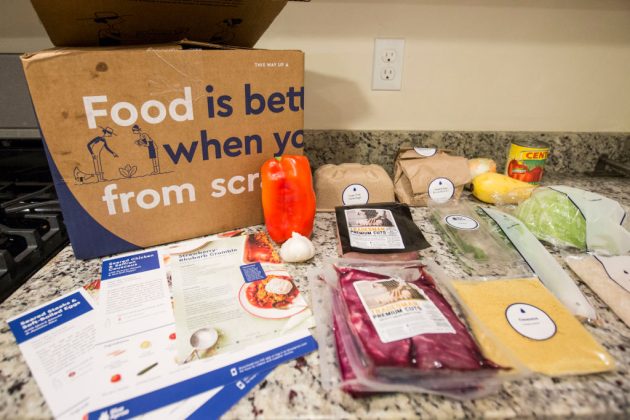
The closure of restaurants prompted 10 per cent of consumers to try a DIY meal kit at home for the first time during lockdown and nine per cent have spent more money on them compared to March 2020.
Around a quarter said they would continue to buy dine-at-home experiences even after hospitality venues are allowed to reopen in May.
This could mean restaurants will be keen to keep offering a meal kit service when they are able to welcome customers back this year.
Investing in infrastructure
Small and medium sized businesses are responding to the new online retail landscape, with nearly three in ten planning to invest in new equipment and technology in 2021, and 13 per cent viewing technology as the top opportunity for growth over the next year.