
The world will never go plastic-free – and nor should we want to

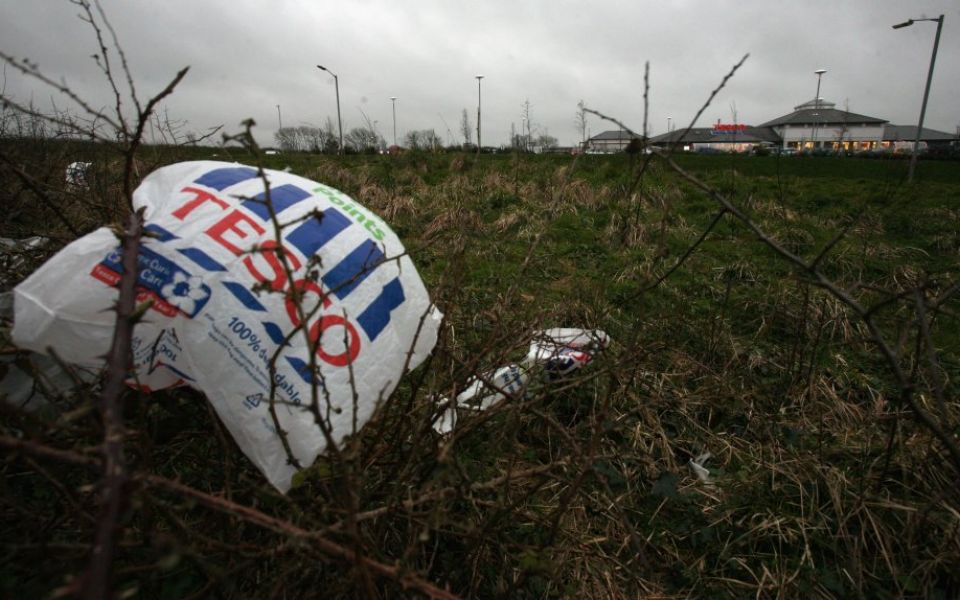
Canada (which I represent as a common councillor for Bishopsgate) has launched a new campaign – “Plastic-Free City” – to reduce waste.
Specifically, the aim is reduce the use of single-use plastics in City properties, and more widely, through a public information programme.
Reducing waste and encouraging better choices are all good things. But “plastic-free”? Really?
Language matters, and this turn of phrase speaks to an unattractive trend in environmentalism, one of trying to uninvent the modern world rather than do things better.
This is an issue we deal with constantly in my day job, managing public affairs for a materials company – one active in the plastics industry. So what’s the problem with aspiring to be “plastic-free”?
We should note that what Canada is doing here is not novel or wrong. There have been concerns about plastic waste for years, from producers as well as NGOs and consumers.
These concerns have become more mainstream since 2017, when the BBC show Blue Planet II broadcast images of aquatic life struggling through seas filled with litter. Most local authorities are looking at initiatives similar to this one in the City. Both the UK and EU are looking at wider policy remedies.
But let’s be clear, plastics themselves are not harmful, if disposed of correctly, recycled, or incinerated safely in the proper facilities.
This is something that happens in Sweden, for example, far more than it does here, and far less in many developing countries, from which 95 per cent of ocean litter originates.
That means that even if the UK banned all plastics tomorrow, this would make next to no impact on the global problem. We would still need to improve the disposal of material already in circulation for decades to come.
More importantly, plastics also come with huge benefits that are dismissed too glibly or not well understood. They are flexible, light-weight, and infinitely adaptable. They reduce the environmental impact of many day-to-day activities by virtue of being lighter, stronger and cheaper than alternatives. They keep food fresh, wounds clean, and prevent corrosion.
Alternatives to plastics are far from a panacea. Paper bags are weaker and heavier. Glass bottles are dangerous when they break. Not everyone wants to lug a dirty coffee mug around with them all day, or has space and staff for constant washing up. Children love plastic utensils and toys, which are safe to play with.
And plastics are so integrated and embedded in so many other things (including as composites with wood, glass, metal, or ceramics) that the idea of becoming plastic-free is both unreal and retrograde.
Rather than attempting to ban or eliminate all plastic use, we need to focus on high-tech solutions for disposal, and on cutting-edge material science.
There are, for example, new plastics that are both bio-based (made from plants or plant waste) and biodegradable (turning back to plant food after weeks not years). These will only increase in number, get cheaper, and lend themselves to wider applications.
It is likely that future synthetic plastics will be no more harmful to the environment than natural plastics, like the amber or latex that comes from tree sap.
Many of these future materials will be funded by City firms investing in startups in the emerging bio-economy. Despite what you might think, the City does rather more for the future of the planet than this plastic-free campaign gives space to highlight.
And this is the central problem with Canada’s initiative. Sweeping campaigns to ban seemingly harmful things are often misdirected. They confuse rather than educate people about complex topics, and drown out a more sensible conversation based on facts, science, and modern-day reality.
They are harking after a better yesterday that mostly wasn’t, that had more severe environmental, health and safety challenges than we sometimes remember – challenges that plastics have helped address.
Genuine solutions to environmental questions are nearly always better technology. This requires invention, experimentation, getting things wrong, and doing it all over again until we get them right – not a central plan for managing straws and coffee cups.
A culture prepared to take risks and get excited about progress is more likely to deliver a better environment than one agonising about the ethics of plastic bags.
So please do see this campaign as motivation to ditch the pointless straw in your diet coke at the bar or rinse and reuse your “It’s Coming Home” mug – but don’t hate the plastics. The world is never going to be plastic-free, and would be profoundly worse were it so.
What the UK can do is play a leading role in advanced materials research, which in turn will ensure a brighter future, with cleaner oceans, for all of us.