
Powering up Britain: How the UK will become carbon neutral by 2050

Net zero by 2050. At first blush, it sounds like a code phrase one would hear in the halls of MI6 or in the Ministry of Defence. But as British citizens or residents, we should remember it.
In simple terms, it is a declaration by Britain to become carbon neutral in 30 years. This may sound like no big deal, but you would be mistaken.
Net zero by 2050 is a bold statement that could allow the UK to lead the climate change debate, as the world’s fifth largest economy, and one with the willingness to put up a hard target that policymakers believe is achievable.
The move is proving infectious, despite the wrangling over Brexit, having prompted the European Union to develop a fund of £850bn to make it a reality across the channel as well.
A new kind of revolution
The UK, perhaps more than any other country in the world, was built on coal. It fuelled the industrial revolution, powering the railroads and ships that allowed the British empire to expand into what is a £2.3 trillion economy today.
Fast-forward to the start of 2020, and 39 per cent of the country’s electricity still comes from fossil fuels like coal, oil, and natural gas. The latter makes up the largest share (36 per cent) of the UK’s total energy mix, and is seen as a cleaner transition fuel to displace from carbon-intensive coal.
But burning hydrocarbons increases CO2 levels in the atmosphere, which contributes to climate change. Now the country is out to serve as a trailblazer of sorts once more by embarking on a revolution of a different kind, looking to balance carbon emissions with carbon removal, and give business a three-decade long roadmap to invest accordingly.
“It’s important for our businesses to be able to plan knowing what the long-term direction is,” says Baroness Brown of Cambridge, the deputy chair of the Committee on Climate Change. “I think it’s important for the UK to show a leadership role in encouraging others to follow suit.”
Last year, for the first time since Queen Victoria sat on the throne, Britain generated electricity for two weeks without burning coal. It was a symbolic milestone on the path to cleaner and greener growth.
Here’s another inspiring fact: in the third quarter of 2019, renewables generated more electricity than fossil fuels.
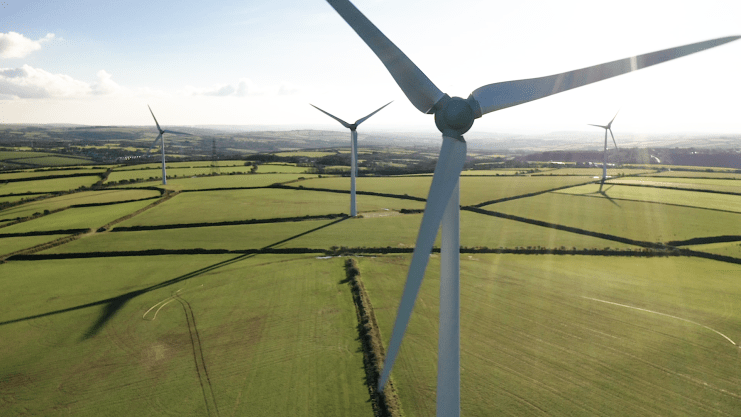
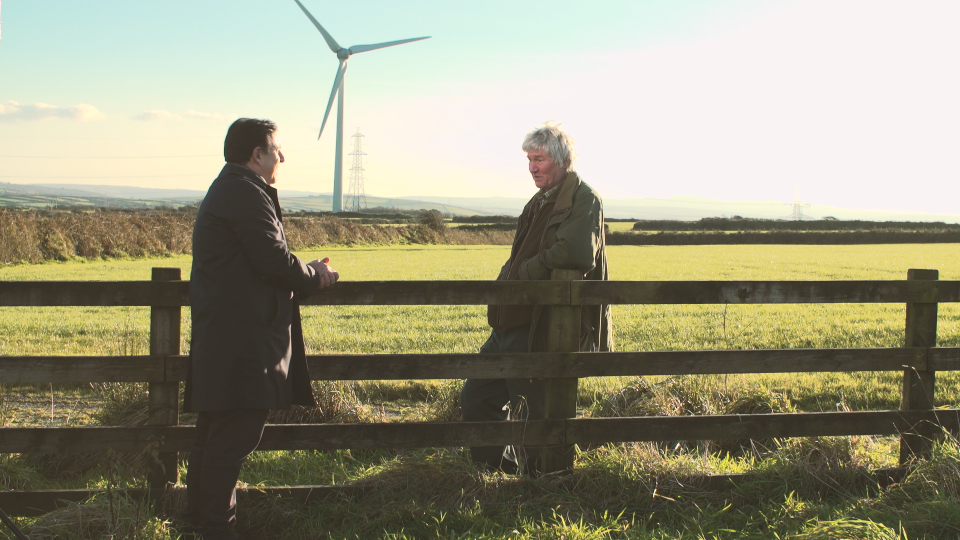
For the latest instalment of CNN’s The Global Energy Challenge, we travelled across the country to see how the UK had achieved this — from Cornwall in the south west for onshore wind, to Somerset to witness the largest single construction project in Europe: the Hinkley Point C nuclear plant. It is a low-carbon solution for power, but the plant carries a growing price tag of £23bn and the stigma of the Chernobyl and Fukushima disasters. Nuclear power today makes up 20 per cent of the country’s total energy supplies.
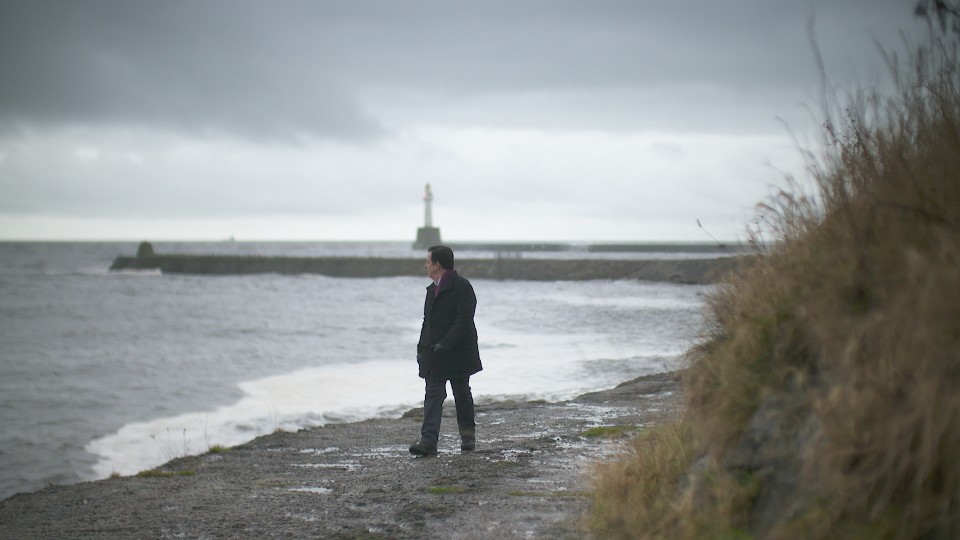
For me, Aberdeen in Scotland’s north east offered the best example of what the move from hydrocarbons to renewables (better known in the industry as the “energy transition”) is all about.
Over half a century ago, huge oil and gas deposits were discovered in the North Sea, dramatically transforming the city to this day.
With a strategic harbour serving offshore rigs, Aberdeen became known as the oil capital of Europe, producing at its peak 2.8m barrels a day, level peg with Arab oil giant Kuwait.
Sir Ian Wood was born in Aberdeen into a fishing family. His father had a small ship repairing business, and they still own the largest fish processing plant in the area.
After a visit to America’s oil-rich state of Houston, Sir Ian founded the Wood Group, a multinational oil and gas services company, to ride the black gold boom.
But the 2015—2016 oil bust served as a wakeup call, with 100,000 jobs cut from the sector. It prompted the billionaire to chair Opportunity North East — a public-private partnership to foster renewable energy development and embrace the transition.
It may sound like a stretch, but the same workers that toiled away on oil and gas rigs are being redeployed to work on the offshore wind platforms that are sprouting like mushrooms off the coast of Aberdeen.
“Floating structures offshore, we know everything about,” says Sir Ian. “It’s a vital part of the oil and gas production. That’s going to be a real challenge in wind, and the present people involved in wind haven’t experienced that. There will be a lot of good crossovers.”
Just beyond the working port, I toured an active construction site well at Aberdeen South Harbour, designed to be a primary staging point for offshore wind projects.
Transition to the future
At the same time, depleted oil and gas fields are being tested to be used for what is called carbon capture and storage (CCS) — pulling CO2 from production and storing it in empty reservoirs for later use.
This is the innovation drive that Britain can lead, and the country is setting an example by having the largest percentage of wind power as part of its energy mix.
No doubt one of the biggest challenges is managing public expectations. What is now underway is an energy transition — not a switch. In simple terms, the industry needs to keep the lights and cookers working and homes warm during the winter.
On my journey across the country, I did not find anyone wanting to hold onto policies that soil the atmosphere. But we have entered a new era of environmental awareness where there is a belief that industry — and society overall — cannot slow down global warming. This is far from the reality: policymakers and the industry are scrambling to implement solutions as quickly as possible to match the UK’s ambitious energy targets. Britain can play a crucial role in leading the world towards a low-carbon future.
John Defterios is the host of The Global Energy Challenge on CNN International.
Sign up to City PM’s Midday Update newsletter, delivered to your inbox every lunchtime
Main image credit: CNN