
Suppliers could be charged for luring new customers under fresh Ofgem intervention


Energy suppliers could be forced to pay a levy when acquiring new customers, under freshly announced time-limited measures unveiled by Ofgem.
The regulator has intervened further in the energy industry, with the introduction of the market stabilisation charge.
It will mean that when suppliers attract customers from an existing energy firm, they will have to compensate the losing supplier.
The measure will only be triggered if wholesale prices fall considerably below the level assumed in the price cap, but reflects the energy regulator’s protectionist approach in recent months.
If established, it will mean suppliers will be charged for taking consumers at a weekly-set price established by regulator mechanisms.
This follows historic instability in the energy market, with 26 suppliers collapsing since last September and Bulb Energy entering de-facto nationalisation, propped up by the biggest public funded bailout in the UK since RBS.
An Ofgem spokesperson said: “Alongside tougher financial regulation, this will make sure that energy companies do not take disproportionate financial risks and suppliers who have done the right thing by purchasing energy in advance for their customers aren’t penalised, while protecting the ability of switching consumers to benefit from cheaper tariffs when prices fall.”
Suppliers will also have to offer existing customers the same deals available to new customers.
The intention is to ensure customers can benefit from all tariffs available in the market and enable more consumers to benefit when wholesale prices fall.
While the measure is also meant to be short-term, Ofgem are open to making it a permanent feature in the consumer market.
The spokesperson added: “We’ll monitor how effective this is before considering whether it should become an enduring measure in the market.
Ofgem has recently unveiled plans to bring in hedging controls and financial stress tests to ensure suppliers are resistant to market shocks.
It will also be granted legal powers to bring in surge pricing for households this spring.
The regulator has also revealed it could update the price cap at more frequent intervals – potentially every three months – following its decision to hike household bills to nearly £2,000 per year this April.
Ofgem rolling out new measures to reform the energy market
Protectionism continues to dominate industry thinking around potential solutions, with Chancellor Rishi Sunak also unveiling a £9bn loan scheme to delay spiralling energy costs for consumers.
However, think tanks such as the Adam Smith Institute and the Institute of Economic Affairs have criticised the influence of government meddling in the current crisis.
Energy sector voices such as Utilita Energy founder Bill Bullen, Scottish Power chief executive Keith Anderson and John Penrose – the MP who first proposed the mechanism in parliament – have all called for the price cap to be reformed in recent months.
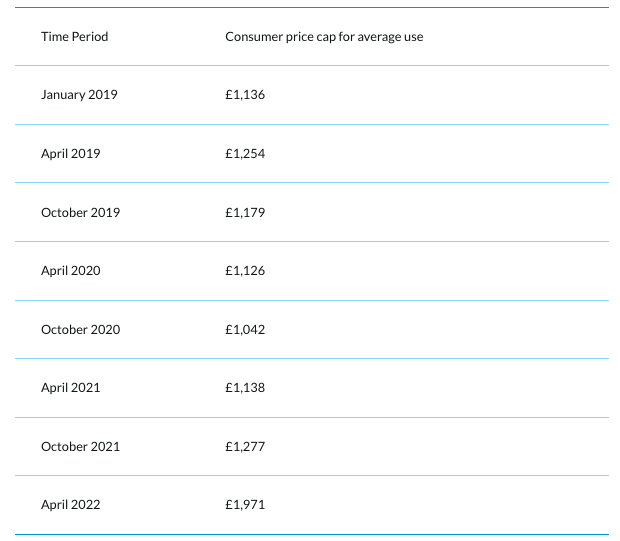
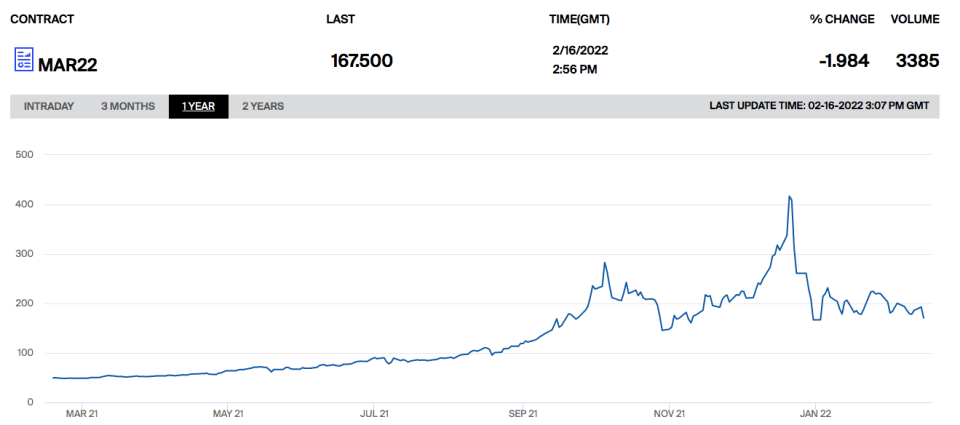
When Bulb Energy fell from grace in November, it revealed that it was costing them £4 per therm to supply energy to consumers, even though the cap limited charges to 70p.
Meanwhile, Cornwall Insight has now revealed the collapse of energy suppliers has cost consumers a more than a third extra in local distribution network charges .
Costs to compensate energy companies that have taken on on customers from failed suppliers have resulted in an average increase in domestic electricity bills by £34.36 in 2022-23.
During the winter crisis, Ofgem appointed new suppliers to consumers through the ‘Supplier of Last Resort’ process.
It has since allocated £1.8bn to suppliers able recover the costs for doing so – as each new customer came at an initial loss during the peak of the crisis.
.These costs are then passed on to the consumer via electricity bills through ‘Distribution Use of System’ charges.
These additional costs have resulted in this component of electricity bills by an average of 33.9 per cent for 2022-23.
In regions such as London and Southern England, consumers will see a hike of over 40 per cent.