Skip to content
Tuesday 28 July 2026London --:--Frankfurt --:--Zurich --:--
NewslettersSearchEN · DE
City PM

European business, markets and politics

FTSE 100
10,871.02
+0.83%
DAX
25,464.01
+0.41%
CAC 40
8,458.78
+0.63%
STOXX 50
6,289.51
+0.12%
  • Europe
  • Markets
  • Business
  • Economy
  • Technology
  • Politics
  • Opinion
More
GermanyFranceBankingAIEnergyFintechPropertyCapital Markets
  • Germany
  • France
  • Europe
  • Markets
  • Business
  • Economy
  • Technology
  • Politics
  • Opinion
  • DE
Thursday 09 July 2020 2:56 pm  |  Updated:  Thursday 09 July 2020 3:27 pm

More than 5,000 retail jobs at risk as pandemic forces John Lewis and Boots to restructure

By: Jessica Clark

Add as a preferred source on Google
John Lewis Partnership is reportedly planning to axe 11,000 jobs over the next five years after slashing its redundancy pay for employees.

More than 5,000 high street jobs could be lost as two UK retail giants announced store closures today after the coronavirus pandemic forced John Lewis and Boots to urgently restructure their businesses.

John Lewis has decided not to reopen eight stores after the coronavirus lockdown, saying the sites were struggling before the pandemic. 

The proposed closures, which includes department stores in Watford and Birmingham, have put around 1,300 jobs at risk. 

Meanwhile Boots is cutting 4,000 jobs, amounting to around seven per cent of its workforce.

Boots and John Lewis to close stores across UK

Unlike John Lewis, Boots was allowed to stay open throughout the lockdown as an essential retailer. 

But the pharmacy chain closed 100 city centre and travel hub opticians stores, as well as the chain’s revenue-driving beauty and fragrance counters. 

Meanwhile, a sharp drop-off in GP visits, as the public avoided putting extra strain on the NHS, led to a reduction in the demand for one-off prescriptions and medicines.

Retail sales plunged 48 per cent for Boots UK and 72 per cent for the opticians business in the third quarter, compared with the previous year. 

The coronavirus pandemic has exacerbated problems that have been mounting for years, forcing retailers to address them urgently. 

Both retailers today admitted that the shift to online, accelerated during the coronavirus lockdown, had been the final nail in the coffin for struggling areas of the business. 

Coronavirus accelerates retail changes
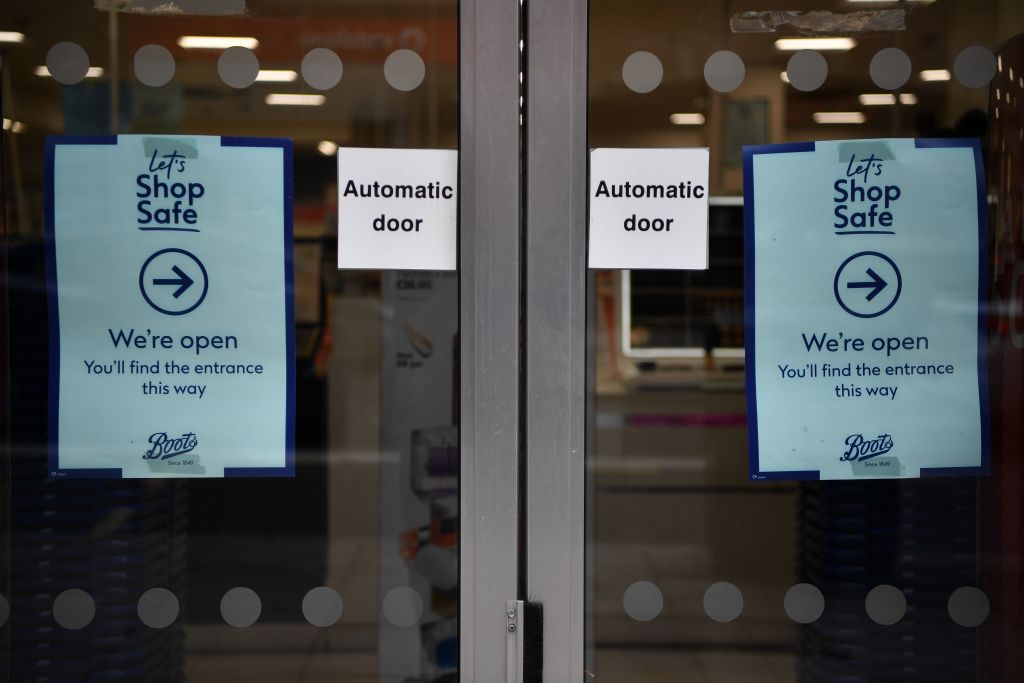
Unlike John Lewis, Boots was allowed to stay open during the pandemic, but months of lockdown have accelerated a shift to digital shopping
While Boots was allowed to stay open during the pandemic, months of lockdown have accelerated a shift to digital shopping

Retailers have long been trying to adapt to consumers’ increasing appetite for online shopping while attempting to also keep a strong physical presence on the high street. 

Read more

Warehouse tax could threaten high street businesses, Burnham warned

Amazon logo on a building, representing the e-commerce giants brand and corporate presence.

The enforced coronavirus lockdown has sped up the process.

The latest footfall figures showed that consumers have not rushed back to the high street as shops reopened. 

Alongside the convenience of online shopping, some consumers are nervous about going back to crowded high streets, even with social distancing in place. 

“We all need to adjust to the ‘new normal’ and, while there were queues for many stores when the high street was allowed to reopen, there are still many who refuse to leave the house unless absolutely necessary – and shopping in stores for clothing and home accessories isn’t deemed necessary to them,” Andy Barr, founder of price tracking website Alertr, said. 

The news of the latest job losses comes after chancellor Rishi Sunak announced a plan to retain and create jobs yesterday. 

Retailers bemoan lack of VAT cut

Retailers would have been eligible to receive £1,000 pounds every member of staff they take back from the furlough scheme.

However, there was a lack of specific help for the sector prompting industry bodies to call for the VAT cut that was granted for hospitality to be extended to retailers. 

But there is a view that the restructurings have been a long time coming, with the pandemic forcing John Lewis and Boots to urgently address long standing issues. 

“The likes of John Lewis and Boots will exist in the future, but they cannot maintain their empires under their current structure,” Julie Palmer, partner at restructuring firm Begbies Traynor, said.

“If they want to survive and thrive in 10 to 20 years then a sticking plaster will not suffice. They must restructure and rebuild their companies to make them stronger for their employees and their future.”

Neil Frith, senior market analyst at Ask Traders, added: “It’s tough, but we are beginning to recognise the same pattern – brands weren’t doing as well as they should have been before the pandemic, and now they are really struggling to hold themselves through it.”

Read more

Why does Britain treat housebuilding as one big burden?

Modern house under construction with scaffolding, highlighting progress in sustainable building methods and materials.

Share this article

  • Facebook
  • X
  • LinkedIn
  • WhatsApp
  • Email

Similarly tagged content:

Sections

  • News

Categories

  • Retail

Trending Articles

  • Big Four’s AIM exodus accelerates as mid-tier firms seize mandates

  • FTSE 100 firm agrees £5.7bn takeover in latest private equity swoop

  • Burnham backs plan to pump £1bn pension funds into start-ups

  • As it happened: Stocks jump as oil drops; Unilever shares soar on decade-best sales

  • EY and London managing partner fined over £1.3m for audit failure

More from City PM

  • Warehouse tax could threaten high street businesses, Burnham warned

    Retail
    Amazon logo on a building, representing the e-commerce giants brand and corporate presence.
  • Why does Britain treat housebuilding as one big burden?

    Opinion
    Modern house under construction with scaffolding, highlighting progress in sustainable building methods and materials.
  • Tate & Lyle faces shareholder revolt over executive pay

    Retail
    Tate & Lyle logo, a global food ingredients supplier, on a corporate building.
  • Brits dodge the high street as heatwave boosts online shopping

    Retail
    Shoppers carrying various retail bags, including New Look and M&S Food, on a paved street, indicating retail sales activity.
  • Tiktok pledges three-stage age checks as it pilots alcohol sales

    Tech
    Tiktok appeals to overturn US ban in a broader battle for tech regulation
  • Exclusive: Nothing slashes jobs in cost-cutting push

    Tech
    Nothing Phone 1 showcasing its transparent back design and unique LED light interface, representing innovation in smartpho...
  • EY and London managing partner fined over £1.3m for audit failure

    Big Four
    EY London headquarters building exterior on a sunny day, showcasing modern architecture in the citys business district
  • Currys launches £50m buyback as it shrugs off market slowdown

    Retail
    Currys storefront with prominent logo and modern exterior design, reflecting its role as a leading electronics retailer
CityPM

Independent European business, markets and political news for decision-makers.

Morning Briefing

Europe

  • Germany
  • France
  • Europe
  • UK & Ireland

Business

  • Markets
  • Banking
  • Technology
  • Energy
  • Property
  • Fintech

Editorial

  • Opinion
  • Editorial Policy
  • Corrections
  • Contact

Company

  • About City PM
  • Privacy Policy
  • Terms of Use
  • Cookie Policy
© 2026 City PM Ltd · Published by CityPM Media, Bahnhofstrasse 65, 8001 Zürich, Switzerland
Privacy · Terms · Cookies · Facebook