
Let’s be honest, there are no easy answers to worklessness

The government is right to be focused on getting people off welfare dependency and into work, but we shouldn’t be too optimistic about its chances of success, says Matthew Lesh
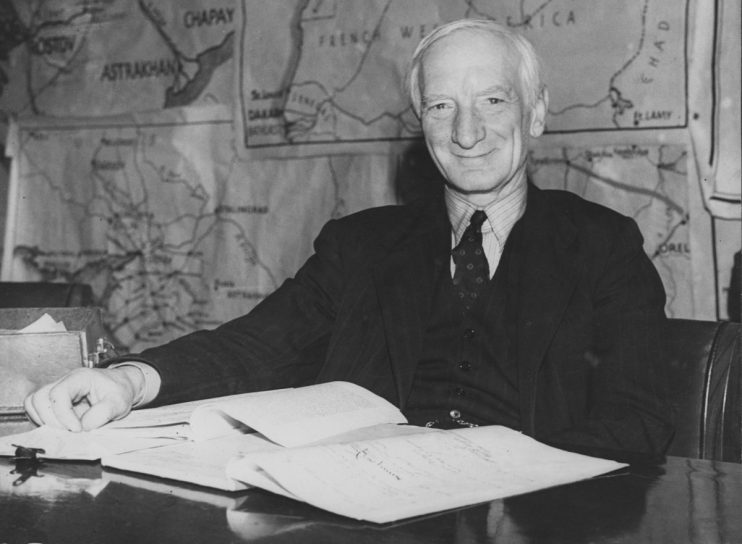
In 1906, William Beveridge declared that those who cannot work should be maintained by public support. The condition, however, would be the “complete and permanent loss of all citizen rights – including not only the franchise but civil freedom and fatherhood.” Like many of the era, Beveridge, the godfather of the welfare state and post-war expansion in state benefits, was a proud eugenicist.
By comparison, Rishi Sunak’s recent remarks about cracking down on welfare come across as rather soft. Sunak has raised concerns about “over-medicalising the everyday challenges and worries of life” in the context of the increased number of working age people who are out of work due to ill health.
There are 850,000 more people who are unable to work due to long-term sickness since the pandemic. Sunak has highlighted data showing half of the people claiming long-term sickness cite having depression or anxiety. Worryingly, the biggest increase comes from young people and in particular young men. This raises the prospect of a lifetime of never entering the workforce and dependence on handouts.
As Beveridge’s remarks demonstrate, there has been a long-running debate about how best to deal with those who cannot or do not work. In the 19th century, the answer was workhouses, which offered accommodations to individuals unable to support themselves and who were unemployed. The labour was back-breaking, and the conditions were dire. As we became richer, workhouses were replaced with a more generous system of payments in the 20th century.
Today, taxpayers spend £69bn annually on working age benefits for those with disability or health conditions, more than the school, transport, or policing budgets. This is also set to grow by at least one-third over the next five years, with the department for work and pensions forecasting that working age claimants will rise from 2.8m to 3.96m over the next five years.
The rising cost of welfare and fewer people in the workforce has many larger economic implications. Not only do we all face a higher tax burden to provide these payments but there are also ongoing labour shortages across the country, which are already thought to be contributing to Britain’s stagnant economy.
In response, the government plans to change how payments are provided and tighten eligibility requirements. This means a crackdown on issuing sick notes (officially called ‘fit notes’) to those who could still do some sort of work and tackling the use of ‘subjective and unverifiable claims’ to reject work. There will also be additional support for mental health services.
This all appears sensible. Welfare payments are expensive for taxpayers but maintain people at a subsistence level far from luxury. A lack of work in people’s lives greatly impacts their sense of dignity and purpose. The state should avoid trapping people in welfare.
However, we should not be overly optimistic about the chances of success. According to the ONS, three-quarters of people who are long-term sick simply do not want a job. Many suggest that the solution is to address NHS waiting lists rather than welfare crackdowns. However, two-thirds of those moving into long-term sickness were already out of the labour market for another reason.
We can and should avoid increasing labour market regulation, like Labour’s proposals for many benefits and unfair dismissal protections, to begin on day one. However, with nearly 1m job vacancies, more job opportunities are unlikely to get sick people to work.
The sad truth may just be that there aren’t easy answers to the worklessness problem.
Matthew Lesh is the director of public policy and communications at the Institute of Economic Affairs