Today's top story: Germany hit by storms after record heat spell
Temperatures topped 40C in several parts of Germany on Thursday, setting new July records in three federal states.
The day’s highest reading was 40.5C in Bernburg, Saxony-Anhalt, according to the German Weather Service (DWD). Temperatures also reached 40.4C in Kitzingen, Bavaria, and 40.2C in Ohlsbach, Baden-Württemberg.
If confirmed, the figures would represent new July records for Saxony-Anhalt, Bavaria and Baden-Württemberg. Germany’s all-time temperature record of 41.8C, recorded in Möckern-Drewitz during the late-June heatwave, remains unbroken.
The extreme heat was followed by violent storms across parts of the country. Two men aged 18 and 19 were injured by a falling branch near Lake Möhne in North Rhine-Westphalia and taken to hospital. Storms also temporarily interrupted the Libori festival in Paderborn.
A young woman driving on the A31 near the Dutch border lost control of her van due to the heavy downpour, veered off the carriageway and overturned. She was brought into hospital with serious injuries.
In Lower Saxony, emergency services dealt mainly with fallen trees. A concert by pop singer Alvaro Soler in Hanover was cancelled, while the city’s Maschsee Festival opened later than planned.
Friday is set to see a drop in temperature in most parts of the counrty, with highs of around 27C in the north and northwest and 27C to 35C elsewhere, although parts of Bavaria could still reach 38C. Temperatures are forecast to fall further over the weekend, ranging from around 24C in the north to 32C elsewhere.
Summer holidays begin across all 16 German states
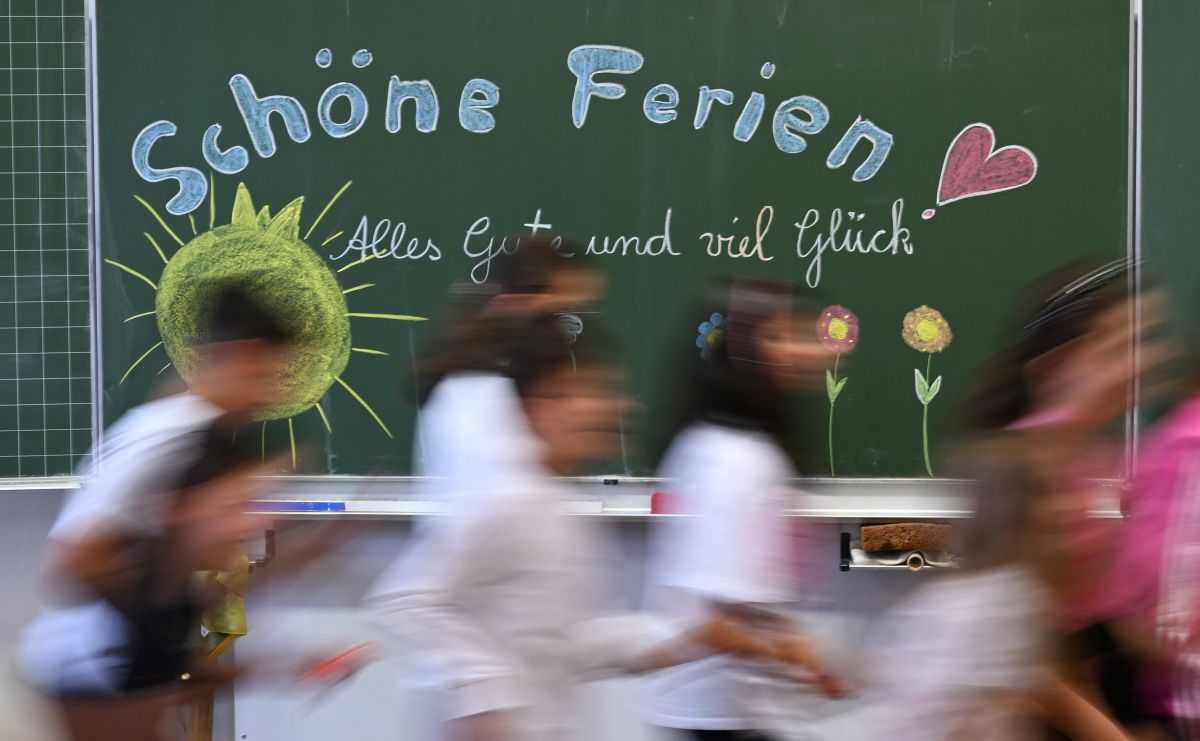
Schoolchildren in all 16 German states will officially be on their summer holidays from Friday afternoon, when Bavaria becomes the final state to begin its six-week break.
For nine days, regular lessons will be suspended at schools throughout the country. The brief nationwide overlap will end on Monday, August 10th, however, when pupils in Hesse, Rhineland-Palatinate and Saarland return to the classroom. The summer holidays in these three western states began in late June.
Bavarian pupils, meanwhile, will be the last to go back to school. Their first day of the new academic year is September 14th.
According to the Federal Office of Statistics, around nine million pupils attended general education schools in Germany during the last school year. Almost every federal state recorded an increase in pupil numbers compared with the previous year.
A further 2.3 million young people attended vocational schools, which combine classroom-based education with practical training or prepare pupils for particular trades and professions.
Germany traditionally staggers the start of its summer holidays across the country, with the dates coordinated between the 16 state governments. This is intended partly to prevent the country’s roads, railways and holiday destinations from becoming overwhelmed at the same time.
However, the past few years have seen debates about whether it is fair that Bavaria and Baden-Württenberg start their holidays so late.
This year, there were seven different starting dates for the school summer holidays across Germany's 16 states.
Munich's water restrictions will not be extended
The City of Munich will not extend its restrictions on water usage beyond August 1st, it emerged on Thursday.
According to the City of Munich’s public utility company (SWM), while the groundwater situation remains tense, the supply of water is currently "at a manageable level".
Furthermore, water consumption is expected to fall significantly with the start of the summer holidays.
The city said that if the situation worsen again, further measures will be considered.
The restrictions, introduced on July 14th, banned the watering of lawns and other private uses during specified times.
Tesla begins recruitment drive at Brandenburg factory
US electric carmaker Tesla has hired the first 1,000 new employees as part of plans to expand production at its factory in Grünheide, near Berlin.
The new recruits will support an increase in output from 5,000 to 6,200 vehicles per week, a Tesla spokesperson told DPA. Recruitment for a further 1,000 workers is expected to begin in September, ahead of a planned increase to 7,500 vehicles per week from October.
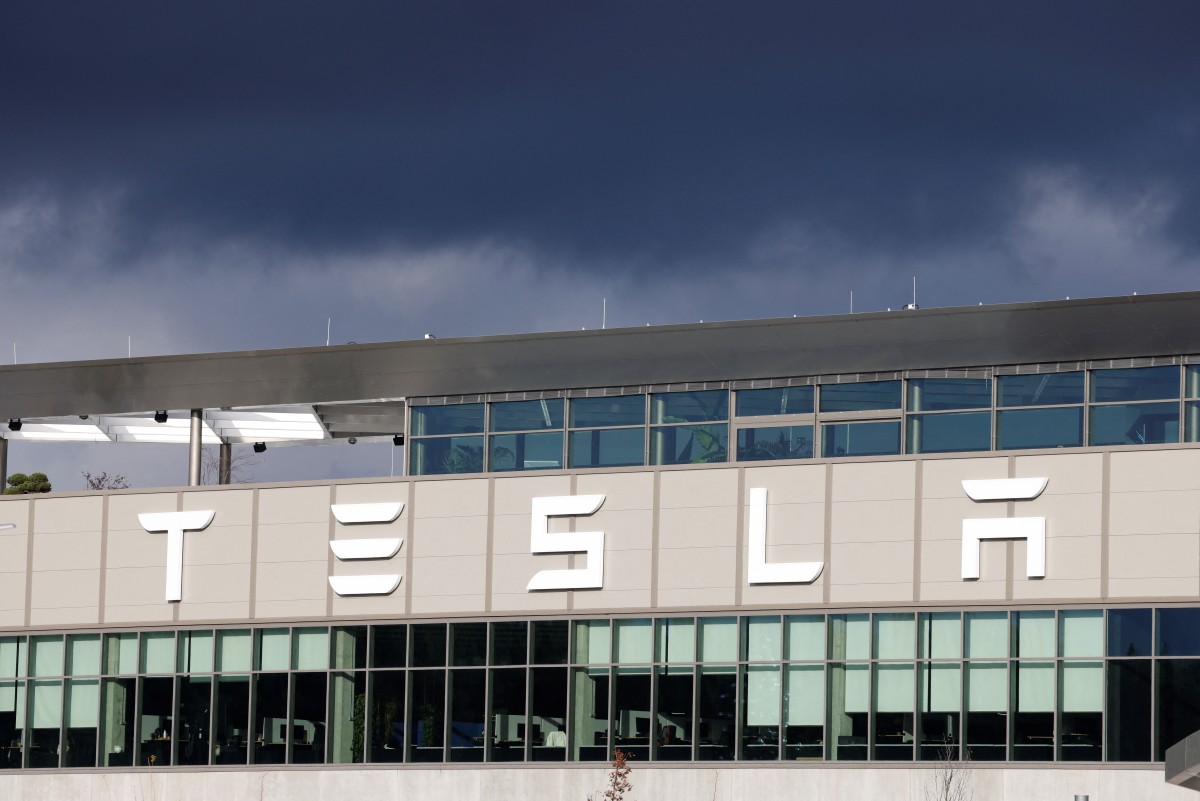
Tesla announced the expansion in April in response to rising demand for its electric vehicles. At the new production rate, the Grünheide factory would theoretically manufacture around 375,000 cars per year.
The company had initially targeted annual production of 500,000 vehicles at the site, with a potential expansion to one million. However, the larger-scale development has since been put on hold due to market uncertainty.
Including 1,500 additional positions planned as part of an expansion of battery-cell production, Tesla intends to create 3,500 new jobs at the factory in total. It has previously said it would invest almost $250 million, or around €220 million, in the plans.
With reporting by Rachel Loxton and DPA