
City Pages: The 10 books that should be on your list this summer


From classic to contemporary, thriller or Booker prize winner, the City PM team picks the 10 top books that should be on your list this summer.
1. Victory City by Salman Rushdie

It’s Rushdie, so you know it’s gonna be good, but this is really good. Framed as a translation of a 15th Century Sanskrit epic poem about the founding of the fictional Bisagna empire – based on the real medieval Indian Empire of Vijayanagara – Victory City is a metafictional masterclass in storytelling.
The story centers around the 237-year long life of Pampa Kampana, a demi-goddess and prophet who breathes Bisagna into existence and whispers its inhabitants’ lives into their ears. That this is a story about storytelling is not exactly subtle, but nor is it meant to be: Victory City is a bold and vibrant read.
To pastiche an epic is a ballsy choice, lucky this is in capable hands, and it manages to feel timeless from the get-go. Combining tragedy, comedy and romance, this is what an epic is meant to be. And being able to smugly pose by the pool with a Booker winning author’s latest release? An added perk.
Reviewed by Anna Moloney
2. The Shards by Bret Easton Ellis
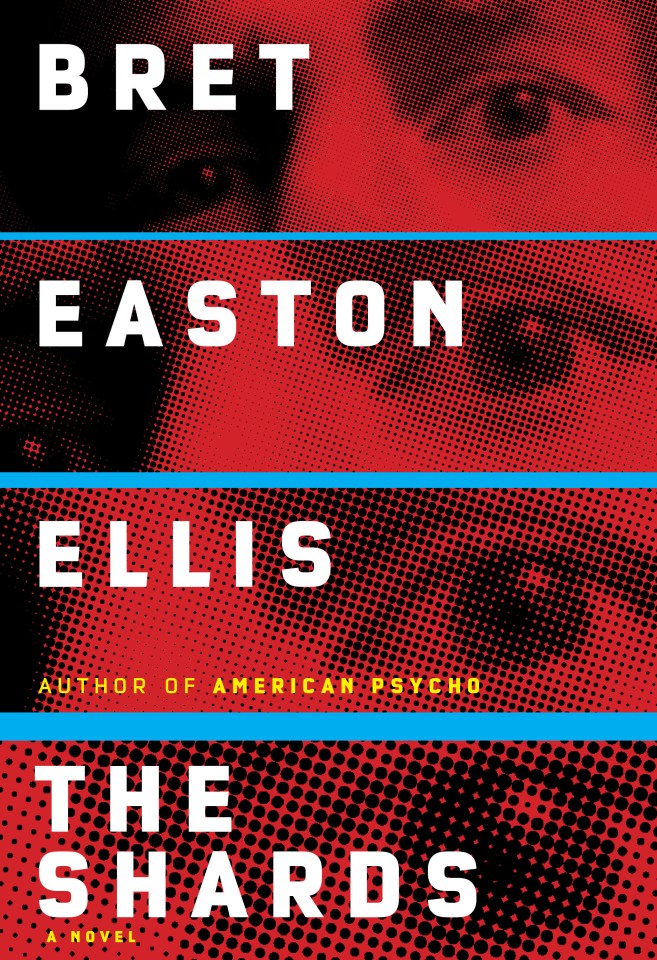
As new authors make their mark on the literary landscape, Bret Easton Ellis reminds you nothing is more exciting than the revival of an old master. After years of tiresomely banal postmodernism, Ellis has returned with The Shards – his finest work since he freshened up the fiction scene with the powerful one-two punch of Less Than Zero and American Psycho three decades ago.
The Shards is a teasing, provocatively lurid, semi-autobiographical novel centred around the hedonistic lives of wealthy high-schoolers living in the Hollywood Hills – a darkly enticing location for the suspenseful storyline that follows.
Set in the 1980s, Bret (named after the author) is one of a close-knit group of friends when a serial killer makes his mark across the city, known only as “The Trawler”.
What follows is a schlocky but engrossing narrative, which is both deeply enthralling and makes us question everything we’re told. The novel is also available as a segmented audiobook, where Ellis can lure you in chapter by chapter.
Reviewed by Nicholas Earl
3. Small Worlds by Caleb Azumah Nelson
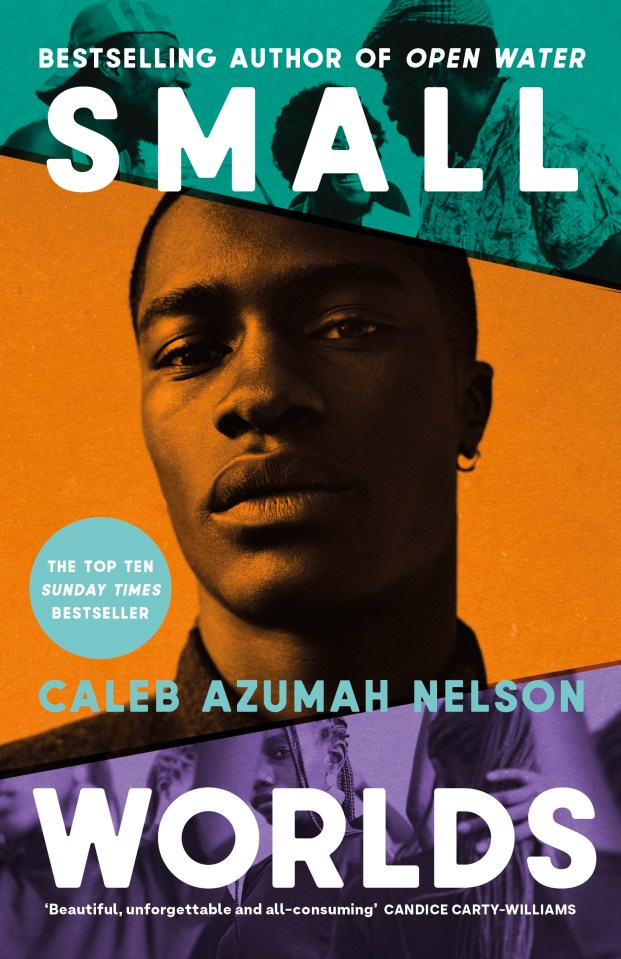
If you don’t mind weeping, Small Worlds is the choice for you. Caleb Azumah Nelson’s second novel retains all the lyricism and sensitivity of his debut Open Water, but takes a father-son relationship as its central subject.
Set over three summers in London and Ghana, this novel looks at the intimate connections that define us all, yet never once teeters on the overly sentimental. Azumah Nelson’s prose is at once sparse and expansive, with the unsaid injected with just as much significance as the said.
Its exploration of family perfectly encompasses the tensions that lie between connection and conventions, particularly in male-to-male relationships. The tragedy in this book is heart wrenching because of its mundanity, and will speak to every reader.
If you’re tired of London, and perhaps of life, this book will remind you of the city’s magic promise and, most of all, its music, which plays a central role in all of Azumah Nelson’s writing (bonus: you can even find a tailor-made Small Worlds Spotify playlist to accompany this book).
Steeped in nostalgia, grief and heartbreak, and hopeful despite it all, this is one of the best books I’ve read all year. Read it, you won’t regret it.
Reviewed by Anna Moloney
4. Birnam Wood by Eleanor Catton
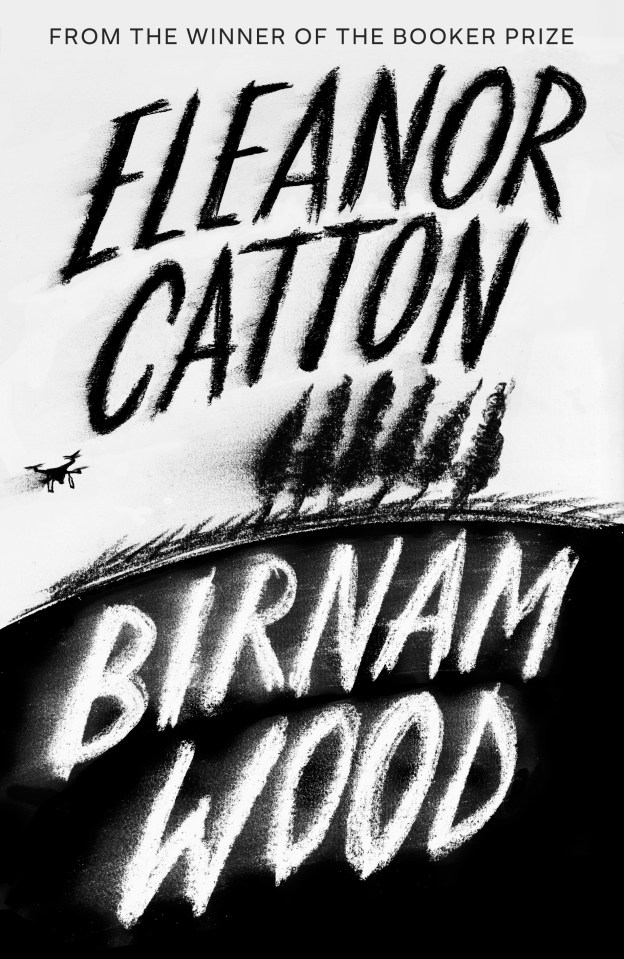
To read Birnam Wood is to cruise through New Zealand, with its delicate environment and even more delicate politics. Catton’s latest novel lies in the no-man’s land between thriller and political commentary, contrasting the idealistic, often self-defeating politics of young eco-conscious with the extremes of capitalism and American pursuit of survival at all costs.
It does so without sacrificing on a thrilling narrative, as a young environmentalist Mira tries to figure out if she can trust a billionaire, Robert Lemoine, to keep her group, aptly described as a ‘guerilla gardening collective’, a secret and even advance their aims at a new plot of land, vacated after a landslide.
The latter half is almost entirely consumed with plot, occasionally straying into unbelievable, or perhaps even unnecessary, but gripping all the same.
Reviewed by Sascha O’Sullivan
5. High Time by Hannah Rothschild
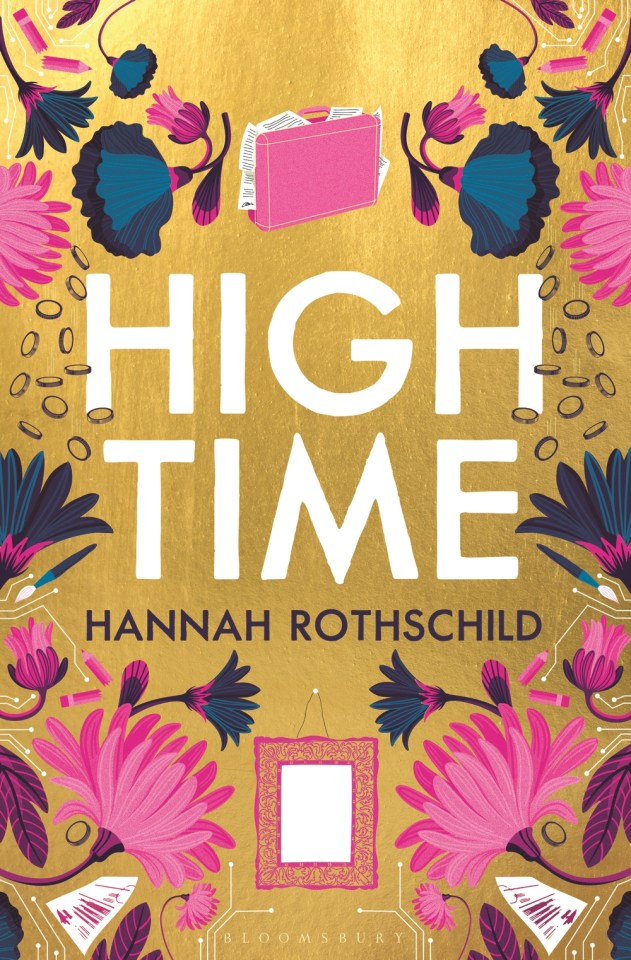
Set among the upper echelons during the Brexit referendum, Hannah Rothschild’s latest novel High Time brings high jinks to high finance, and proves that even cryptocurrency can make for a compelling subject.
A comedy of manners about the eccentric Trelawney family, High Time is a satirical comedy of manners on the ways business and politics interact – and is a whole lot of fun too.
Wonderful and fanciful – not least that its central protagonist Ayesha Scott manages to outwit the international mafia all while writing an award-winning dissertation on art – High Time is fast-paced and high energy, but also contains moment of real sentiment.
Hannah proves her deftness for wit and style in this Mitfordesque satire.
High art hustles and Cornish castles, High Time is perfect escapist reading with real heart.
Read our interview with Hannah Rothschild.
Reviewed by Anna Moloney
6. Yellowface by Rebecca F Kuang
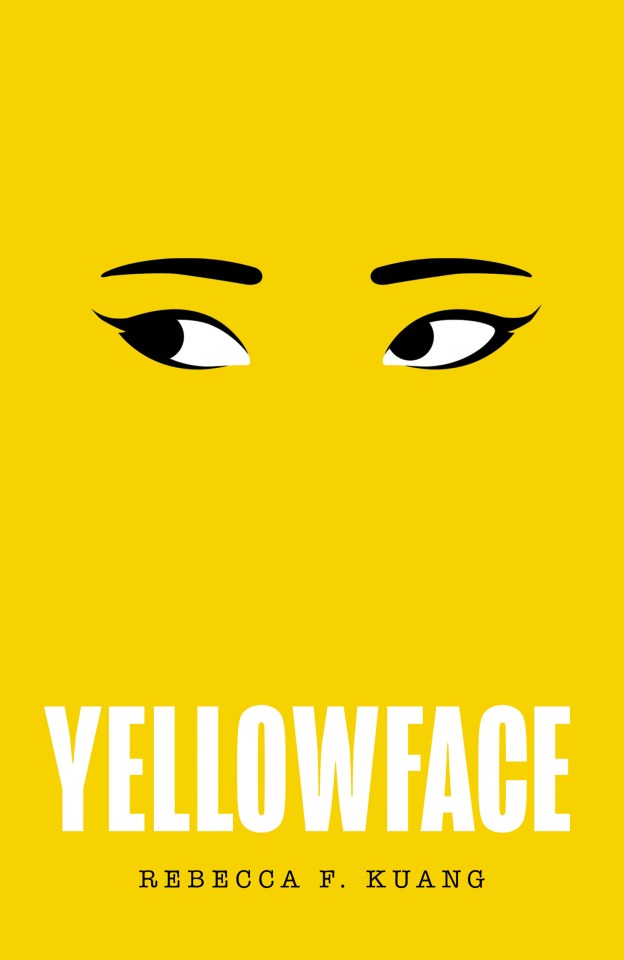
When a book is as hyped as this one is, it is easy to approach with trepidation, but have no fear here: Kuang’s newest novel is an unequivocal triumph.
Kuang, who has said she will not write in the same genre twice, has this time gone for a pop dark satire which is as twisted as it is brilliant.
Written from the point of view of a jealous friend who steals her late friend’s manuscript and posthumously publishes it in their own name, Yellowface explores the politics of art, race and ownership without ever being cliche.
A book about book publishing, Kuang holds the reader in her hand and tells them so. Yellowface is funny, gripping and written right on the cutting edge, I wanted it to go on and on.
Reviewed by Anna Moloney
7. Y/N by Esther Yi
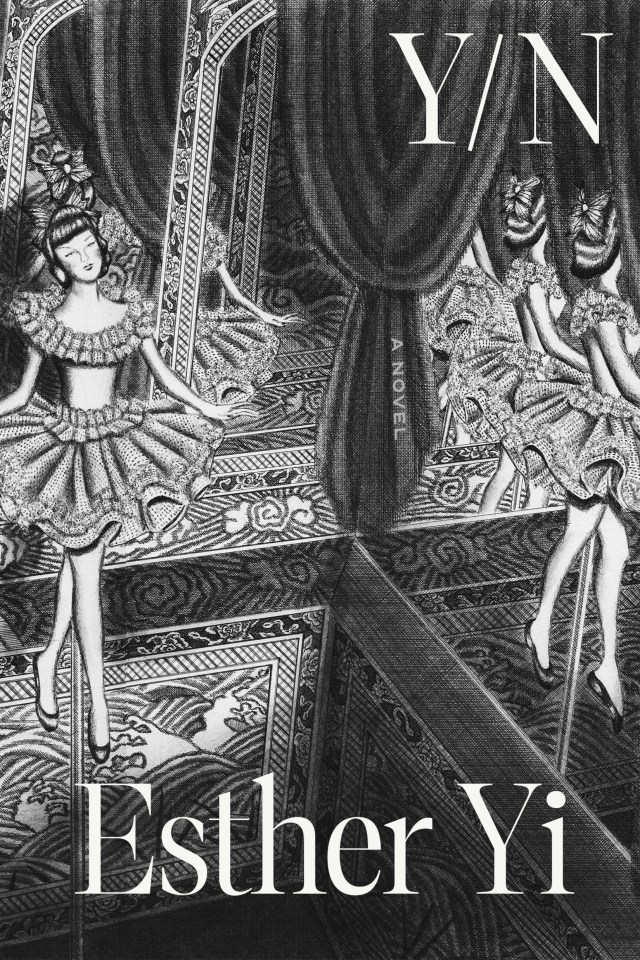
“Y/N” by Esther Yi is not a book for everyone; but if you are fascinated by what a combination of magical realism and K-Pop extreme fandom would look like, you’re in the right place.
“Y/N” tells the story of a woman who abandons her sullen life in Berlin to try and find Moon, a K-Pop star who has just recently quit his band and disappeared from public life. This journey takes her back to her homeland, South Korea, and then further in a world where dreams and reality collide.
Is she trying to find Moon, or to find herself? Are Moon and the woman the same person, with every character in the book telling her how much she looks alike to the object of her desire?
This book is a bit pretentious at times – and the dialogues would never take place in real life, making it difficult to relate or sympathise with the characters. But if you stick till the end, it will be full of precious surprises.
Reviewed by Elena Siniscalco
8. Termush by Sven Holm
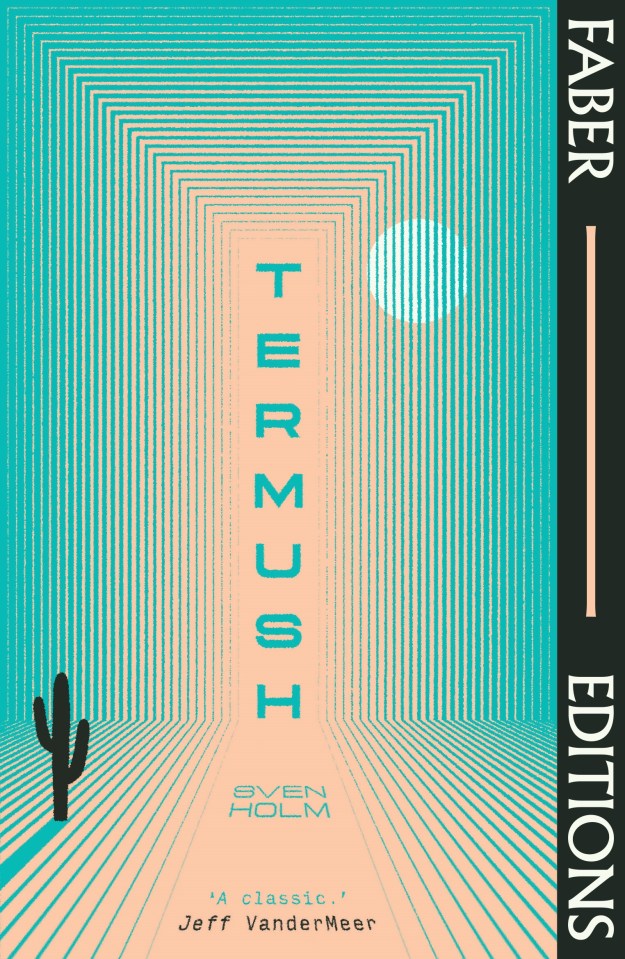
The qualities of a perfect holiday read: a hotel resort backdrop, tick; a thin paperback that you can squeeze in your hand luggage, tick; a post-apocalyptic disaster setting – bear with me.
A dystopia written in 1967, this novella may not seem the obvious poolside choice, but for those of you who don’t mind a dose of catastrophic dread with your pina colada, consider Termush.
Set in a luxury hotel reserved by the ultra wealthy in the case of a nuclear disaster, Termush explores exactly what happens after such a disaster has struck. A biting satire that explores rhetoric around borders and infection, it is not hard to see why this has been reissued 70 years later.
At just over 100 pages, Termush packs a punch that will stick with you long after you’ve turned the last page.
Reviewed by Anna Moloney
9. Money by Martin Amis

Asked how a writer conceives the idea for a novel, the late Martin Amis (1949-2023) described “a throb or a glimmer, an act of recognition”. The writer “may even be secretly appalled or awed or turned off by the idea”.
In spawning the creative genius behind his masterpiece Money: “I had an idea of a big fat guy in New York, trying to make a film. That was all.”
It wouldn’t be all. Money would become the ultimate comedy-critique of consumerist Britain, becoming ever more exaggerated and more Americanized in the mid-1980s.
The portrait of anti-hero John Self is an obscene parody of the transatlantic businessman, who is a slob, a yob, unable to appreciate culture even when it strolls directly onto the stage and strikes up a conversation with him in the form of one of the book’s many postmodern quirks, the character of Martin Amis (“a minor character sent to perplex and bedevil him”).
“A semi-literate alcoholic” according to Amis, his voice carries the novel through its raging and excessive plot which ends with a guy getting “totalled” (surmised The New York Times).
“Perhaps there are other bits of my life that would take on content, take on shadow, if only I read more and thought less about money,” Self, self consciously, laments.
Speaking about the novel, Amis said: “I… in common with many writers feel that there’s a great convulsion of stupidity in the world. Mostly to do with television.
“People know a little about a lot and put very little effort into accumulating knowledge and culture and when they do it’s like the consumerism of culture.”
But Money is not just a critique on “a landscape in which there is no literature or culture”. The novel also raises philosophical questions about the power of the individual to resist the norms of society, the colonisation of money over the soul, and globalisation.
Money is a thrilling, disturbing and wildly entertaining book – with serious literary credentials.
Amis’s legacy on London and New York’s authors, readers and critics remains unparalleled. He gains almost blanket respect, and has done since his riotous burst onto the scene to become, as Melvyn Bragg described, the “the good-looking bad guy of late 20th-century Eng Lit”.
Reviewed by Lucy Kenningham
10. City PM Book Club pick: Time Shelter by Georgi Gospodinov
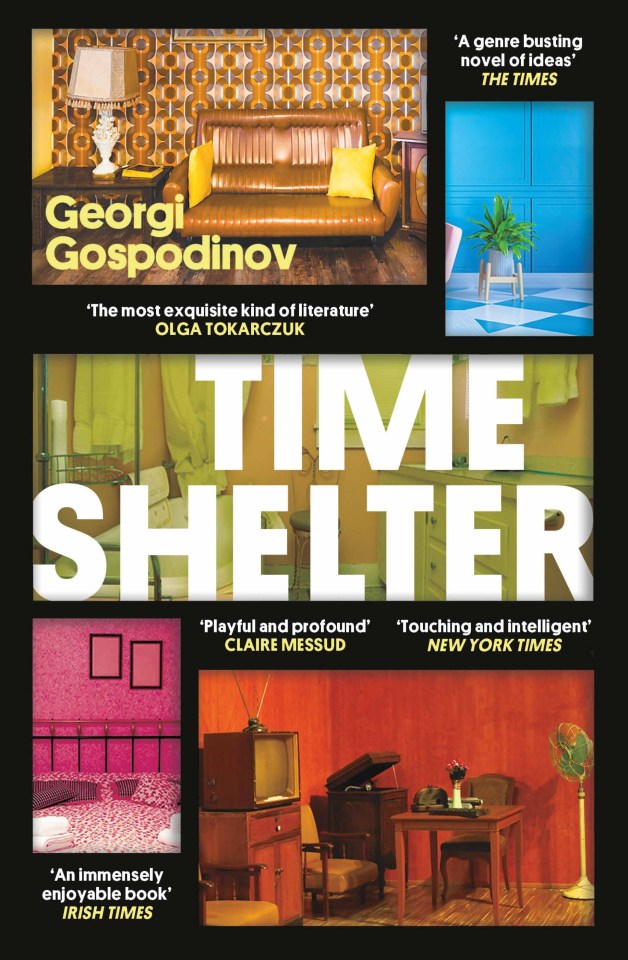
This month, the City PM Book Club proved its breadth, going from bonkbuster to Booker as it traded in Cleo Watson’s Whips for this year’s international Booker prize winner Time Shelter by Georgi Gospodinov. Written originally in Bulgarian in 2020 and translated into English this year by Angela Rodel, Time Shelter is an expansive novel about time, memory and nationhood.
The story begins in a “clinic for the past”, a place in which each floor recreates a different decade as a way to treat Alzheimer sufferers by transporting them back to a more secure past, and progresses to a European-wide referendum on time, in which each country votes for which year they’d like to return to. Conceptually brilliant and gripping, this book provides a commentary on national nostalgia and amnesia.
So what did Book Club think? Well, we were certainly intrigued. This is a novel that asks a lot of questions, and also left us with a lot of questions. Book Club was filled with a lot of thoughtful ‘mmms’ and vague recalls of university-learned concepts – honourable mention to Benedict Anderson – as we tried to dissect exactly what had happened in this novel. One thing’s for certain, this is not a book to be rushed – a rude awakening for some of our less organised Book Club members.
A combination of sun, aperols and the illusive protagonist Gaustine left Book Club a little confused, but enthusiastic nonetheless. Lucky for one member, whose book also suffered from the sun, with a chunk of 50 pages falling out on said member’s holiday, Time Shelter is far more idea-driven than plot-driven, meaning this was really little loss. Brimming with stories within stories, even if the overall thread was lost, Time Shelter provides a knot of sub-characters and storylines that we all agreed were fascinating. If you’re looking for something thought-provoking, this gets the thumbs up from us, but it’s not our Booker.
And the Book Club venue: Boro Bistro on Borough High Street
Feeling European, Book Club this month headed to Boro Bistro, a French bistro nestled beside Southwark Cathedral that sources most of its produce from the neighbouring Borough Market. This spot offers a cosy terrace, an eclectic aesthetic and craft beers that are perfect for pairing with your confused but insightful discussions of highbrow literature. If you need a stimulus for something sophisticated yet esoteric to say, just take a trip to the zany toilets downstairs, you won’t be short of inspiration.