
Britain’s farms must clean up their act, but they need more help

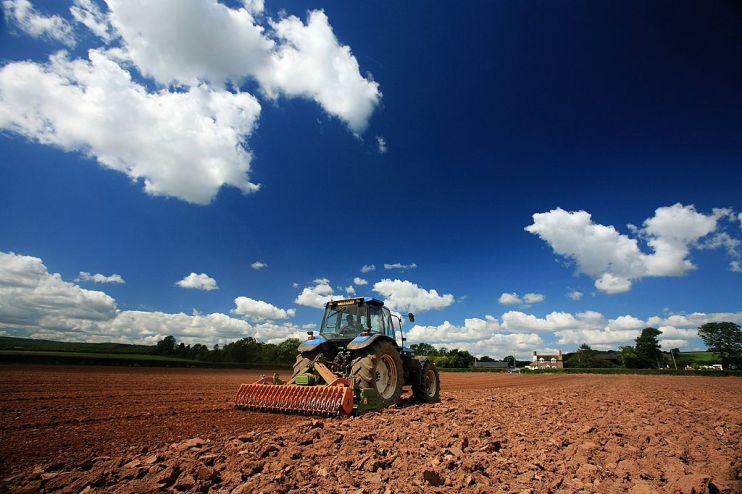
It may not be glamorous, but cleaning up our farms, while also supporting our farmers, is imperative for our climate goals, writes Adam Hawksbee
Cop 28 has concluded with more of a whimper than a bang. Britain’s climate negotiators have just returned from Dubai, but they will already be gearing up for next year’s instalment in Azerbaijan. While they’re back, officials should turn their attention closer to home. Because away from the five star hotel ballrooms, out of sight of presidents and premiers, is a much more mundane climate challenge: cow farts and chicken excrement. Or to use the technical terminology, methane burps and poultry slurry.
Britain’s farms aren’t always at the front of our minds when we think about meeting net zero targets. Attention turns more readily to diesel engines or heavy industry. But agriculture accounts for one in every ten tonnes of greenhouse gas emitted by the UK. And while emissions in almost every other sector have decreased by over 10 per cent since 2010, those from farms have dropped just two per cent. The Climate Change Committee has reported that agriculture is the most off track of all sectors for meeting its emissions targets, with none of its plans deemed credible.
And farms aren’t just polluting the atmosphere. Much of the blame for waste-filled rivers has gone to water companies, with special ire reserved for irresponsible chief executives. But agriculture bears more responsibility than corporations, with 40 per cent of rivers and lakes polluted by farms compared to 36 per cent for water firms. Around the River Wye, slurry from intensive chicken farming has led to higher concentrations of nutrients that drive “algal blooms”, blocking light and oxygen and causing the salmon population to collapse.
Farmers themselves are not the bad guys. While agriculture is contributing to an environmental crisis, farmers across the country face their own economic crisis. Their profits are squeezed by supermarkets and they face highly volatile costs for fertilisers and other key supplies. Over two-fifths of farms earn less than £25,000 each year. A troubling 15 per cent make a loss. As young people struggle to enter the industry, farming faces a demographic time bomb: one in three farmers are over 65, compared to one in twenty for the broader workforce.
So it’s no wonder that farmers are increasingly volatile voters, making rural seats that have always been true blue targets for both Labour and the Lib Dems. In 2019, the Conservatives won 98 of the 100 most rural constituencies in England. Recent polling suggests they could drop to just 63 of these seats.
What is to be done? A new report by Onward sets out a slew of recommendations to support farmers while also helping the environment. Investing in new technologies, such as methane-suppressing feed additives for gassy cattle, along with measures to help younger farmers take up the trade are key. Likewise we need to get more private capital into environmental improvements by ensuring corporates’ carbon offsetting credits go to high quality programmes that drive the restoration of nature.
But our number one recommendation is fixing farming subsidies. Usually the “polluter pays” principle means taxes or tariffs charge those responsible for waste to clean it up. But doing that to Britain’s vulnerable farmers means they’ll just shut down, leaving us reliant on imports and vulnerable to inflation. In a bid to combat this, the government has launched the Environment Land Management Schemes – a scheme which provides farmers with subsidies in exchange for them delivering environmental improvement – but the programme is bedevilled by bureaucracy and suffers from unintended disincentives to participate. Boosting bonuses and streamlining support could go a long way to fixing the scheme, helping both farmers and the planet.
Too many of Britain’s farmers can’t afford to go green. But we can’t afford for them not to. Agriculture might not be the most glamorous part of our net zero mission, but that doesn’t mean it should be forgotten.