
Your NHS right to choose: Understanding your health options

We all know hospital appointments can be stressful but the good news is you have a legal right to choose where you are treated, potentially making life far easier.
Receiving care after a routine referral from your GP or healthcare professional does not always have to mean a trip to your local NHS Trust. There are many reasons you might be better off travelling farther afield, from being closer to friends or relatives to cutting down on waiting times or acting on a recommendation from someone you trust.
When you are referred for your first outpatient appointment, you can discuss with the healthcare professional that refers you which location would work best for you to begin your treatment, whether that’s for initial tests or the start of a treatment regime.
The good news is patients have a legal right to choose where they would like to receive their care based on their individual needs
They can talk you through issues such as waiting times in different locations or how highly the hospital is rated by other patients or the care regulator, giving you the information you need to take control of your healthcare journey.
This information is also available on the My Planned Care website (www.myplannedcare.nhs.uk) and you will always be given enough time to make the decision that works best for you. If you choose to decide at home after an appointment you can inform your healthcare provider online or by phone.
This ability to choose where you receive care has been well received by those who have taken advantage, with 2022 research conducted by Ipsos finding an overall positive reaction.
If you know you’re going to be recovering from knee surgery, for instance, staying in London where you will have to climb to your second floor apartment might make life more difficult than being treated in Oxford where you can stay in your parents’ ground floor spare room.
Another example where this might help readers of City PM is if you are a young family or a parent of school-aged children: imagine how much easier life could be if grandparents or other relatives were close by your treatment centre to help share the burden of child care.
An added bonus is that choosing to be treated in an area where the waiting lists are relatively short not only means you will be on the road to recovery quicker but it also frees up resources within the NHS to make sure other people are seen sooner too.
You can even choose to be treated in an independent sector hospital, as long as that facility provides services for the NHS.
Some exemptions to this right to choose include those requiring emergency care and members of the armed forces – your healthcare professional will always be able to guide you if you’re unsure.
Here are some examples of how patient choice works:
Youssef, aged 52
Youssef attends an appointment with his GP following an episode of stomach pains (biliary colic) related to previously diagnosed gallstones.
Youssef and the GP decide the best next step is to refer him to a gastroenterologist to consider removing his gall bladder. The GP advises Youssef can choose which provider he is referred to and asks what the most important factor is in this decision. Youssef wishes to be referred to the provider who can see him the quickest, as the gallstones are meaning he must take repeated sick leave from work.
He says he is happy to travel outside of his local area if it means being seen quickly. He has a car, so travel is not an issue. The GP identifies an independent sector provider 45 miles from Youssef’s home, which has very short waiting times. Youssef agrees to be referred to that provider and the GP makes the referral straight away.
The provider has appointments available to book in three weeks’ time and the GP books Youssef in. Youssef leaves the surgery with the appointment details.
Anya, aged 6
Anya has been struggling with asthma for two years. Despite receiving various treatments from the GP, her condition is difficult to manage. Anya and her mum go to the GP about what to do next.
Anya’s Mum and the GP agree it would be sensible for Anya to see a paediatric respiratory consultant. The GP asks Anya’s mum which hospital she would like Anya to be referred to. As this is a specialist paediatric service and not all hospitals provide this service, the GP explains which hospitals she could choose from.
Anya’s mum asks for some time to research the best hospital for Anya and confirms she has a laptop at home to help with this. The GP says they will identify a few services which are clinically appropriate for Anya within the NHS electronic referral system (eRS) and provide personal login details. Anya’s mum will then be able to log in at home and review the information before making her choice.
Anya and her mum leave the surgery with the eRS details. The referral is completed two days later – once Anya’s mum has considered the options. She will receive the appointment details from the hospital in the post.
Mary, aged 79
Mary has been experiencing hip pain for a few months. She makes an appointment to see her GP. Mary and the GP agree she will be referred to an orthopaedic surgeon to see if she needs a hip replacement.
Mary lives with her 80-year-old husband and has family nearby who support the couple when needed. The GP tells Mary she can choose which healthcare provider she goes to for her orthopaedic appointment.
The GP asks what the most important factors are in her decision. Mary explains she needs to be somewhere close to home, so she can take a taxi to hospital and her family can visit her. The GP identifies a list of hospitals closest to Mary’s home and talks her through the options.
Mary decides she would like the GP practice to make the appointment for her and decides then and there which hospital she prefers.
She chooses the NHS hospital closest to where she lives, only three miles from her home. The GP makes the referral online while Mary is still in the consulting room.
There are no appointments available online to book at that time, so Mary will receive appointment details from the hospital through the post shortly.
More choice leads to better outcomes and happier patients
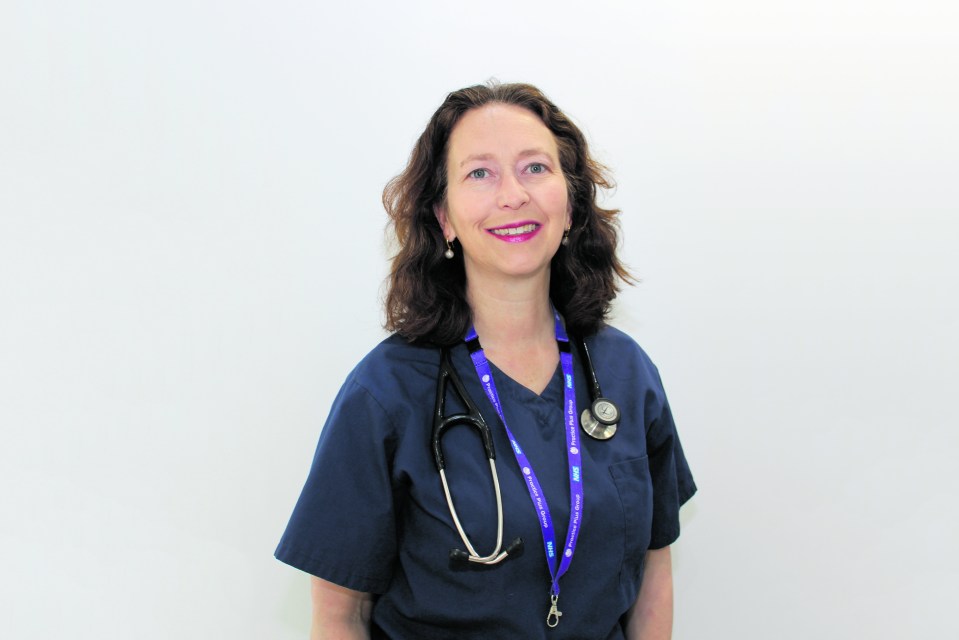
It’s recognised that if you give patients choice, they are more likely to attend their appointment, more likely to leave satisfied, and more likely to have a positive outcome.
Dr Marjorie Gillespie
It’s recognised that if you give patients choice, they are more likely to attend their appointment, more likely to leave satisfied, and more likely to have a positive outcome.
It’s very simple for patients. If they need a specialist opinion I can go through the referral service with them or I can print out a unique number and passcode that they can use at home. From there they can look up hospitals and other options available to them and make a choice.
Those who are digitally literate can then manage their appointment online while others may prefer the help of a practice.
When I talk to people, almost everybody imagines the only place they can go is their local big NHS Trust. And for some, that’s exactly where they do want to go. Other people might benefit from going elsewhere, for a whole variety of reasons.
I always ask “what’s important to you?” Is it getting it done quickly? Is it getting it done really close to home? Is it getting it done really close to your work? Sometimes people want somewhere you wouldn’t have considered because that’s where their family live, or they want to avoid a specific hospital because that’s where a relative passed away. It’s about picking a location and a day and a time that suits them.
Another consideration is patients being offered options based on the most appropriate clinicians for their condition. I might say “I’ve got orthopaedics at any of these five places, which of them would you like? The next appointment in North Surrey is next week or in East Surrey it’s in a month, what’s your preference?”
It’s important to remember that all options have been made available by the NHS. If you’re offered an appointment in a private hospital, don’t be scared off – it’s for you. The NHS is buying this care for you and nobody is going to charge you.
If a patient doesn’t feel they can make a choice whilst they’re sitting with their practitioner, they are always welcome to take the information away and make the choice when they get home, either digitally or by phoning in.
There could be any number of reasons for this, from simply needing time to think to having somebody with you in the consultation who you don’t feel you can express yourself in front of.
Let’s say there is a patient who’s got really bad knee pain who thinks it might be time for a knee replacement. They might think the only place they can go to is the local NHS Trust, where they have heard from friends that the waiting list is really long, which can make them reluctant to start the whole process. Seeing that there are five different options available to them can help them feel more positive and engaged.
One of the areas where choice often surprises people is cataract surgery. This is now being done not just in NHS hospitals but at a number of different types of providers so it doesn’t always involve going to a traditional hospital – but it’s still free because it’s on the NHS.