Skip to content
City PM
  • Germany
  • France
  • Europe
  • Markets
  • Business
  • Opinion
  • Germany
  • France
  • Europe
  • Markets
  • Business
  • Opinion
Wednesday 23 January 2019 11:58 pm  |  Updated:  Tuesday 14 January 2020 1:16 pm

The world’s richest football clubs 2019: Real Madrid replace Manchester United at top of Deloitte Football Money League

By: Frank Dalleres

Sports Editor

Add as a preferred source on Google

Manchester United have lost their status as the world’s richest club after Real Madrid replaced them at the top of Deloitte’s Football Money League.

The Spanish giants ended United’s two-year domination of the annual list by generating revenue of €751m (£665m) last season – an all-time record for any football club.

Read more: Spurs vs Arsenal – which London club boasts more money?

United slipped to third place after their income stalled at €666m (£590m), with Barcelona also overtaking them and completing a one-two for LaLiga.

English teams fared well on the whole, however, with Tottenham’s financial growth swelling the number of Premier League representatives in the top 10 to six.

The Money League ranks teams by revenue and is published today.

THE 20 RICHEST FOOTBALL CLUBS IN THE WORLD

(Click or press on the buttons below for an in depth look at each of the top 20 teams)

Real Madrid

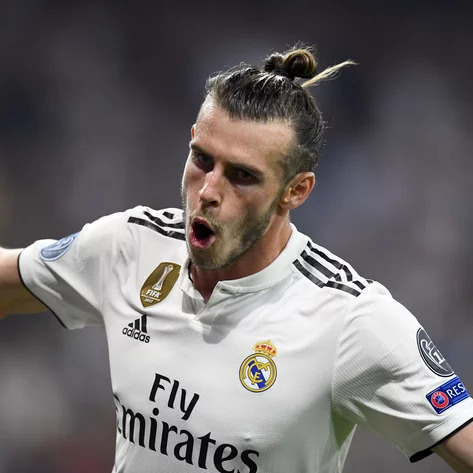
Real Madrid returned to top spot after a two-year hiatus following their third successive Champions League victory. Sustained European success helped the Spanish club to grow commercial revenue by €55m, the main driver of their €76m overall increase in income to a world record €751m.
Matchday Revenue: €125.2m (£107.6m)
Broadcasting Revenue: €225.9m (£194.1m)
Commercial Revenue: €325.2m (£279.5m)

Total Revenue: €676.3m (£581.2m)
Barcelona

Barcelona climbed one place in the rankings after they increased income by €42m. Commercial revenue was the biggest factor in the uplift, thanks to the start of a new shirt sponsorship deal with Japanese e-commerce giant Rakuten, while winning the Spanish league title boosted broadcast revenue.
Matchday Revenue: €125.2m (£107.6m)
Broadcasting Revenue: €225.9m (£194.1m)
Commercial Revenue: €325.2m (£279.5m)

Total Revenue: €325.2m (£279.5m)

Manchester United

Manchester United’s revenue stagnated as continued mixed fortunes on the pitch saw the club’s famed commercial income dip for a second year in a row. Matchday and broadcast revenues were broadly flat, despite finishing second in the Premier League and returning to the Champions League.
Matchday Revenue: €125.2m (£107.6m)
Broadcasting Revenue: €225.9m (£194.1m)
Commercial Revenue: €325.2m (£279.5m)

Total Revenue: €676.3m (£581.2m)
Manchester City v Manchester United - Premier League

Bayern Munich

The Bundesliga’s new television contracts and a run to the Champions League semi-finals helped swell Bayern Munich’s broadcast revenue and lift overall income by seven per cent. The Bavarians remained fourth in the Money League for a fourth year in a row, however, and saw Real Madrid overtake them as kings of commercial revenue.
Matchday Revenue: €125.2m (£107.6m)
Broadcasting Revenue: €225.9m (£194.1m)
Commercial Revenue: €325.2m (£279.5m)

Total Revenue: €676.3m (£581.2m)

Manchester City

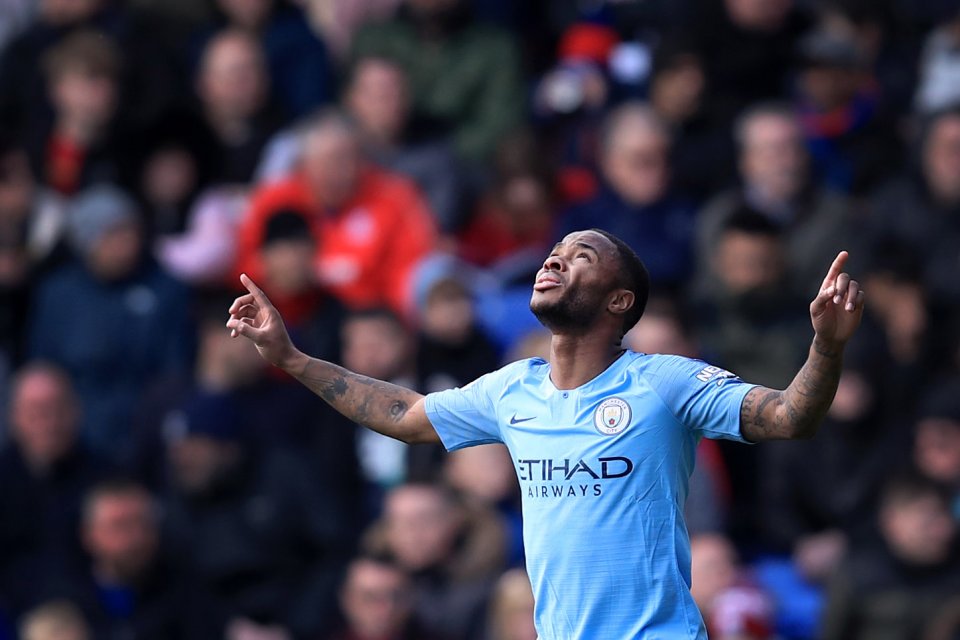
Manchester City toasted success on and off the field in 2017-18, with a record-breaking Premier League title win and 11 per cent revenue growth. New deals with Nexen Tire, Gatorade and Amazon, who made a behind-the-scenes documentary on the club for their Prime platform, contributed to improved commercial income.
Matchday Revenue: €125.2m (£107.6m)
Broadcasting Revenue: €225.9m (£194.1m)
Commercial Revenue: €325.2m (£279.5m)

Total Revenue: €676.3m (£581.2m)
Paris-Saint Germain

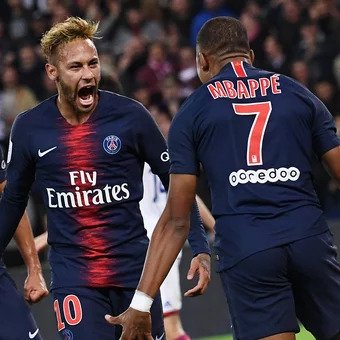
Paris-Saint Germain leveraged their new star signings, Neymar and Kylian Mbappe, to full effect as they posted an 11 per cent increase in revenue. The forward duo swept PSG to a fifth French league title in six seasons and helped the club to grow income from both commercial and matchday streams.
Matchday Revenue: €125.2m (£107.6m)
Broadcasting Revenue: €225.9m (£194.1m)
Commercial Revenue: €325.2m (£279.5m)

Total Revenue: €676.3m (£581.2m)
Liverpool

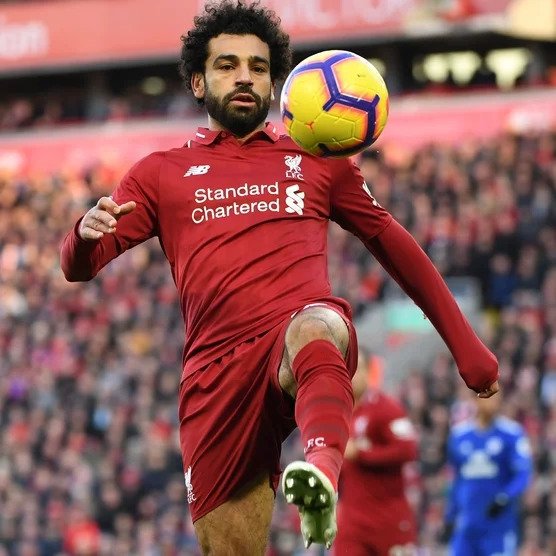
A run to the final of the Champions League fuelled Liverpool’s impressive 25 per cent uplift in revenue, the largest of any club in the Money League top 10. Only Real Madrid, who denied them the European Cup, matched the Reds’ €251.3m broadcast income, which accounted for 49 per cent of their total revenue.
Matchday Revenue: €125.2m (£107.6m)
Broadcasting Revenue: €225.9m (£194.1m)
Commercial Revenue: €325.2m (£279.5m)

Total Revenue: €676.3m (£581.2m)
Chelsea

Chelsea increased revenue by 22 per cent to pass the £400m mark for the first time yet remained eighth in the Money League as Liverpool’s European run put the in the shade. The Blues’ return to the Champions League and a new kit deal with Nike lifted broadcast and commercial income by 26 and 22 per cent respectively.
Matchday Revenue: €125.2m (£107.6m)
Broadcasting Revenue: €225.9m (£194.1m)
Commercial Revenue: €325.2m (£279.5m)

Total Revenue: €676.3m (£581.2m)

Arsenal

Arsenal’s lack of Champions League football for the first time this century hit the club’s finances hard and saw them fall from sixth to ninth in the Money League. Revenue fell for the first time since 1995-96, with broadcast income particularly dented by their absence Europe’s top club competition.
Matchday Revenue: €125.2m (£107.6m)
Broadcasting Revenue:
Commercial Revenue:

Total Revenue:
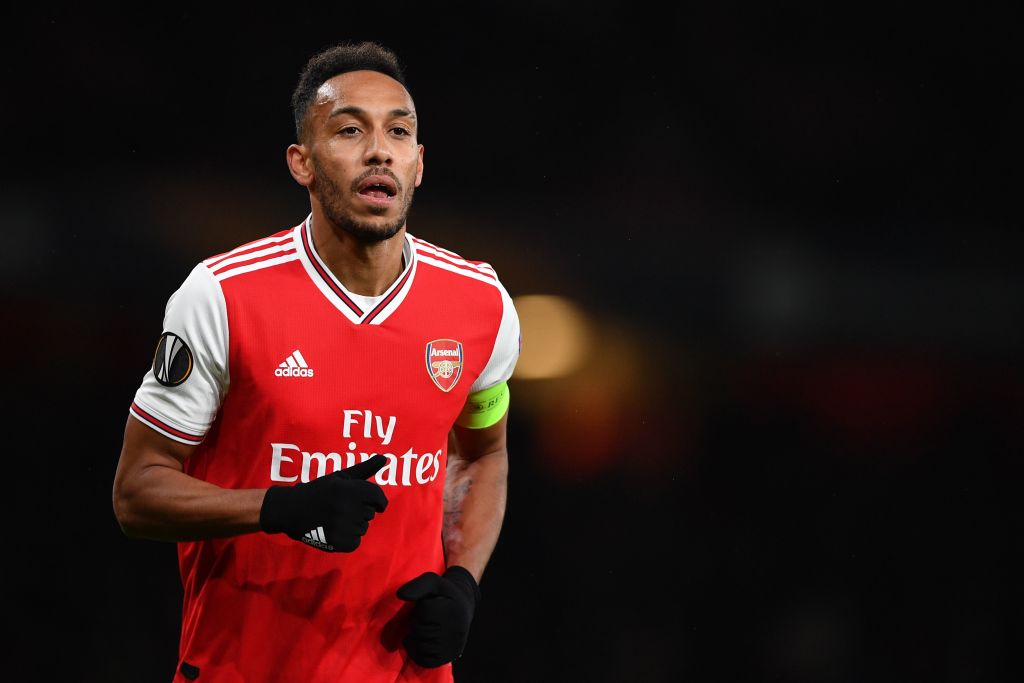
FBL-EUR-C3-ARSENAL-FRANKFURT

Tottenham Hotspur

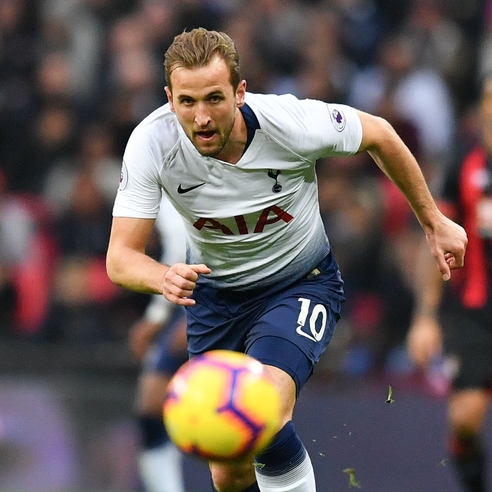
Tottenham returned to the top 10 of the Money League and closed in on their north London rivals Arsenal with 23 cent growth in overall revenue. The temporary relocation of home games to Wembley saw average attendances in the Premier League more than double and boosted matchday income by 54 per cent.
Matchday Revenue: €125.2m (£107.6m)
Broadcasting Revenue: €225.9m (£194.1m)
Commercial Revenue: €325.2m (£279.5m)

Total Revenue: €676.3m (£581.2m)
Juventus

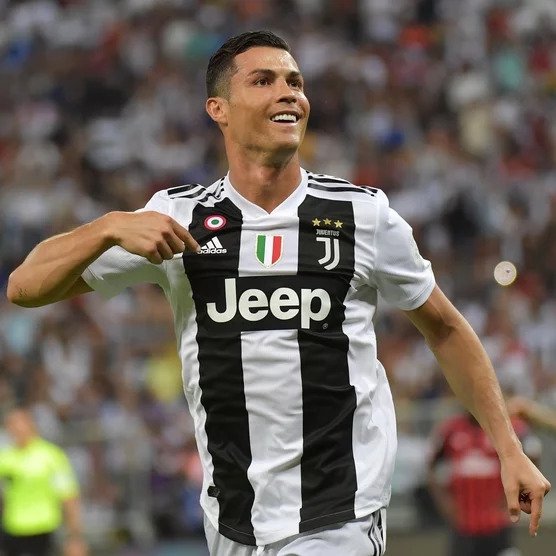
Despite clinching a seventh successive Serie A title, Juventus dropped one place and left Italy without a team in the Money League top 10. Revenue fell three per cent as an increase in commercial proceeds was outweighed by falling broadcast income, owing to a premature Champions League exit.
Matchday Revenue: €125.2m (£107.6m)
Broadcasting Revenue: €225.9m (£194.1m)
Commercial Revenue: €325.2m (£279.5m)

Total Revenue: €676.3m (£581.2m)
Borussia Dortmund

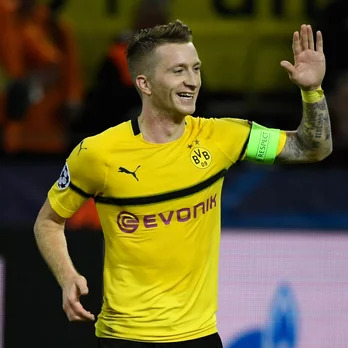
Improved Bundesliga broadcast contracts could not prevent Dortmund suffering a five per cent drop in overall income. Commercial revenue fell the most of any stream as mixed results hit merchandise sales and the club failed to reach a domestic or European cup final for the first since 2010-11.
Matchday Revenue: €125.2m (£107.6m)
Broadcasting Revenue: €225.9m (£194.1m)
Commercial Revenue: €325.2m (£279.5m)

Total Revenue: €676.3m (£581.2m)
Atletico Madrid

Atletico increased revenue by more than €30m in the first season in their new Wanda Metropolitano stadium, with a 24 per cent rise in attendances improving matchday income by €15.8m. Winning the Europa League broadly mitigated the effect of a group stage exit from the Champions League on their broadcast revenue.
Matchday Revenue: €125.2m (£107.6m)
Broadcasting Revenue: €225.9m (£194.1m)
Commercial Revenue: €325.2m (£279.5m)

Total Revenue: €676.3m (£581.2m)

Inter Milan

Inter’s revival under the ownership of Chinese electronic retailer Suning continued last season, with revenue rising seven per cent and lifting them one place in the Money League. A 14 per cent rise in commercial income, aided by their increased presence in Asia, was the biggest factor in their improving financial results.
Matchday Revenue: €125.2m (£107.6m)
Broadcasting Revenue: €225.9m (£194.1m)
Commercial Revenue: €325.2m (£279.5m)

Total Revenue: €676.3m (£581.2m)
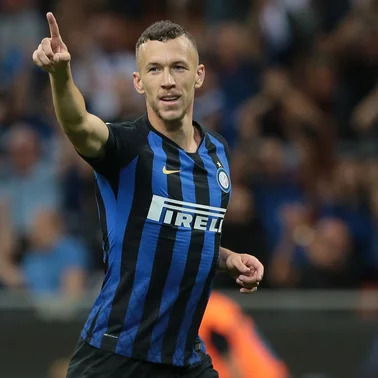
Roma

Reaching the semi-finals of the Champions League significantly boosted Roma’s bank balance as well as their profile. Revenue rose 46 per cent to record levels, fuelled by a €52.2m hike in broadcast income and chunky increases from matchday and commercial streams, as the Italians shot up nine places in the Money League.
Matchday Revenue: €125.2m (£107.6m)
Broadcasting Revenue: €225.9m (£194.1m)
Commercial Revenue: €325.2m (£279.5m)

Total Revenue: €676.3m (£581.2m)
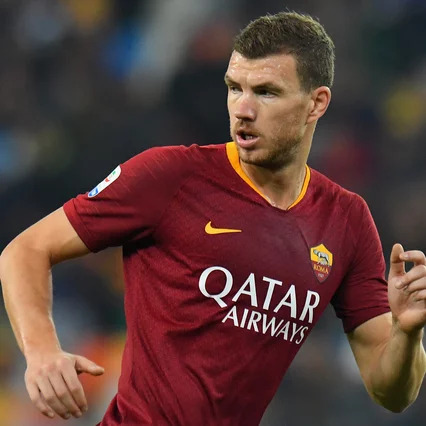
Schalke

Despite not playing in either the Champions League or Europa League last season, Schalke succeeded in increasing revenue by six per cent and retaining their Money League position. Growth came from broadcast and commercial streams, notably new domestic TV contracts and a renewed shirt sponsorship deal with Gazprom.
Matchday Revenue: €125.2m (£107.6m)
Broadcasting Revenue: €225.9m (£194.1m)
Commercial Revenue: €325.2m (£279.5m)

Total Revenue: €676.3m (£581.2m)
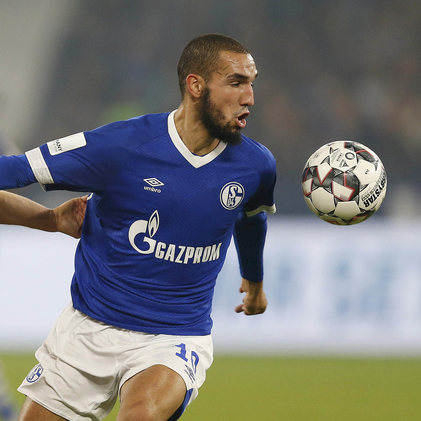
Everton

Everton achieved club record revenue last season to climb to their highest position yet in the Money League. A return to European competition fuelled an increase in matchday takings while commercial income benefited from a new shirt sponsorship deal with SportPesa.
Matchday Revenue: €125.2m (£107.6m)
Broadcasting Revenue: €225.9m (£194.1m)
Commercial Revenue: €325.2m (£279.5m)

Total Revenue: €676.3m (£581.2m)

AC Milan

A major rise in matchday revenue proved the biggest boost to AC Milan’s revenue last season, as fan favourite Gennaro Gattuso’s return as manager lifted average attendance from sub-40,000 in 2016-17 to 51,472. Europa League participation also contributed to an eight per cent rise in overall income.
Matchday Revenue: €125.2m (£107.6m)
Broadcasting Revenue: €225.9m (£194.1m)
Commercial Revenue: €325.2m (£279.5m)

Total Revenue: €676.3m (£581.2m)
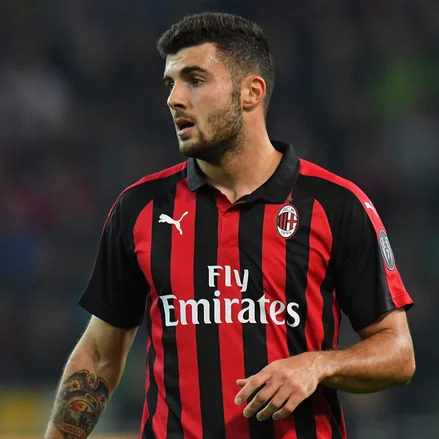
Newcastle United

A first season back in the Premier League saw Newcastle’s revenue more than double last year and lifted them back into Deloitte’s top 20. Broadcast income alone grew 167 per cent due to the English top-flight’s world-leading TV contracts, while commercial revenue also mushroomed.
Matchday Revenue: €125.2m (£107.6m)
Broadcasting Revenue: €225.9m (£194.1m)
Commercial Revenue: €325.2m (£279.5m)

Total Revenue: €676.3m (£581.2m)
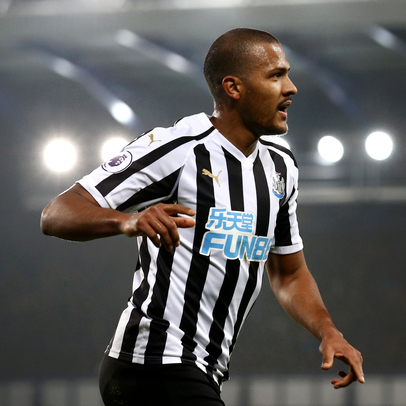
West Ham United

West Ham’s revenue fell three per cent last season as their Premier League fortunes declined slightly, but they retained top 20 status in the Money League thanks largely to the English game’s lucrative broadcast contracts. Matchday revenue waned slightly although attendances remained among the top 10 of clubs in Deloitte’s list.
Matchday Revenue: €125.2m (£107.6m)
Broadcasting Revenue: €225.9m (£194.1m)
Commercial Revenue: €325.2m (£279.5m)

Total Revenue: €676.3m (£581.2m)
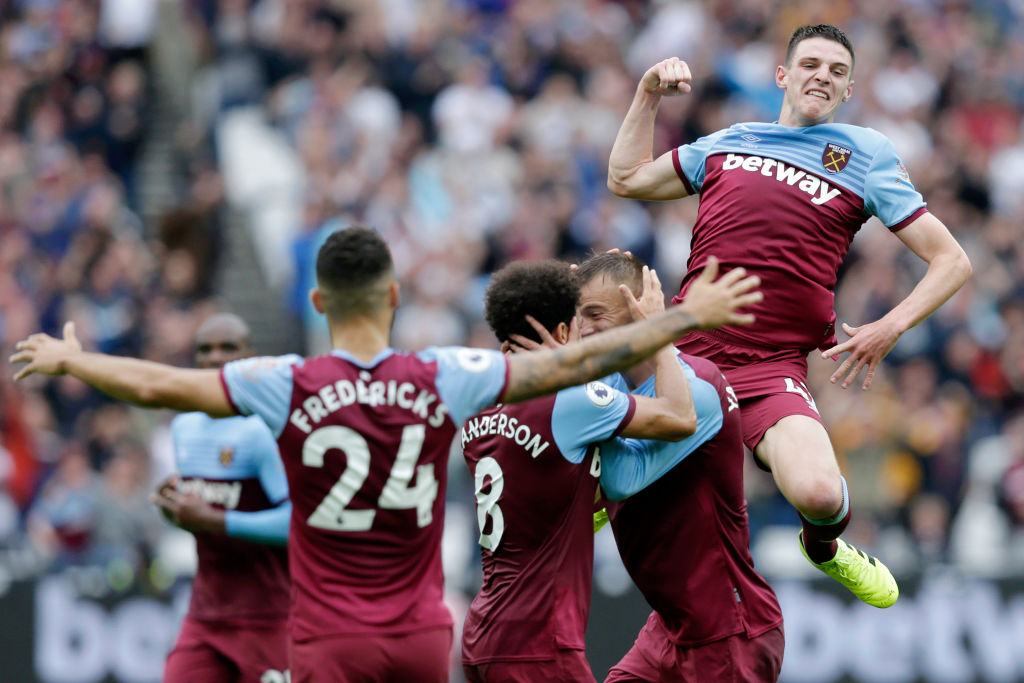
LONDON, ENGLAND - SEPTEMBER 22: Andriy Yarmolenko of West Ham United celebrates with teammates Felipe Anderson and Declan Rice after scoring his team's first goal during the Premier League match between West Ham United and Manchester United at London Stadium on September 22, 2019 in London, United Kingdom. (Photo by Henry Browne/Getty Images)

The Real deal

Real Madrid’s revenue grew by €76m year on year as they won the Champions League for a third consecutive season, beating Liverpool in the final.

That growth was driven by a €55m increase in commercial income as the European champions capitalised through sponsorship, merchandising and increasingly lucrative pre-season tours.

“They’re really leveraging on-pitch success,” Deloitte’s Sam Boor told City PM “It’s that virtuous cycle that clubs aspire to: on-pitch success into improved commercial performance.”

Progress in the Champions League and the exploitation of brand power through commercial activity are the key differentials among the biggest teams. Deloitte expects Madrid to sustain their record-breaking revenue, provided there is no dramatic decline in their European fortunes.

“Continued success in Uefa competitions will be essential to maintaining three quarters of a billion euros revenue,” added Boor, senior manager in Deloitte’s Sports Business Group.

Barcelona saw revenue increase by €42m to €690m (£612m) as they reclaimed the Spanish league title from their fierce rivals, although they still lost ground to them off the field.

Man Utd left behind

United’s revenue remained flat as they suffered a premature Champions League exit to Sevilla in the last 16, although they were still comfortably ahead of Bayern Munich, who were fourth in the list.

They will challenge Barcelona for second place in next year’s list, with United set to benefit from higher Champions League payouts, although their prospects of unseating Madrid likely rest on engineering sustained improvement on the footballing front.

Read more

City PM Football Power List 2026: Who really runs the world’s most popular sport?

Prominent figures featured on the Powerlist, highlighting influential leaders in business and innovation for 2023

“Improved on-pitch performance will help that virtuous link to financial performance, because as we’ve seen with Real, their commercial growth in the last few years has been quite staggering and it’s no coincidence that they’ve been the most successful team in Europe,” said Boor.

Manchester City held onto fifth place with €568m as they romped to the Premier League title, despite nearest challengers Paris Saint-Germain narrowing the gap with increased revenue of €542m.

England dominate top 10

Liverpool’s run to the Champions League final boosted their revenue by €90m to €514m (£455m) and lifted them ahead of domestic sparring partners Chelsea, who remained eighth, and Arsenal, who fell to ninth.

Tottenham were the other English club to make big gains, with their €68m uplift in income to €428m (£379m) elevating them back into the top 10 for the first time in more than a decade.

Arsenal slipped three places in the list as the absence of Champions League football for the first time this century depleted revenue to €439m (£389m), only narrowly above their north London rivals.

Everton (17th), Newcastle (19th) and West Ham (20th) also made the top 20, taking the total number of Premier League teams to nine.

Star power boosts PSG

French champions PSG reversed two years of falling revenues and climbed one place to sixth in the Deloitte rankings as income grew by €55m to €542m (£480m).

Matchday and commercial revenues both improved – a trend attributed to the club’s signing of global superstars Neymar and Kylian Mbappe in the preceding summer.

Deloitte predicts that the impact of marquee signings such as Neymar, Mbappe and Cristiano Ronaldo – who left Madrid for Juventus in August – on revenue streams will become an increasingly important decision in the transfer policies of elite clubs.

“It will be really interesting to see if the Neymar move to PSG is a one-off or the first example of it happening under perfect conditions,” said Boor. “Will Ronaldo also trigger further revenue growth for Juve? TBC.”

Elite continue to thrive

The elite game remains in good health, with the combined revenues of the 20 clubs in the Football Money League totalling €8.3bn (7.4bn) – a record and a six per cent increase on the previous year.

Broadcast income remains the single most valuable stream, accounting for 43 per cent, but commercial revenue continues to grow in significance and now makes up 40 per cent of the top clubs’ turnover.

All clubs in the top 20 play in Europe’s five biggest leagues: England, Germany, Spain, Italy and France.

Only three teams in the top 30 are from outside the big five: Zenit St Petersburg (25th), Besiktas (26th) and Benfica (30th).

Read more

Manchester United bank eight-figure fee from Amazon All Or Nothing deal

Business professionals discussing strategy at a conference table, highlighting teamwork and collaboration in a modern offi...

Share this article

  • Facebook
  • X
  • LinkedIn
  • WhatsApp
  • Email

Similarly tagged content:

Sections

  • Life&Style

Categories

  • Sport

Related Topics

  • Arsenal
  • Chelsea FC
  • Deloitte
  • Football
  • Football finance
  • Liverpool FC
  • Manchester City
  • Manchester United
  • Sports money
  • Tottenham Hotspur

Trending Articles

  • Top Burnham adviser calls for capital gains and inheritance tax hikes

  • A meeting with the breakfast king of Mayfair

  • Clarkson’s Farm and why businesses must stop blaming the weather

  • BT tops FTSE 100 after finding new home for international business with Verizon joint venture

  • FTSE 100 Live: Stocks jump on defence and metals boost; Oil on track to shed a fifth on US-Iran peace hopes

More from City PM

  • City PM Football Power List 2026: Who really runs the world’s most popular sport?

    Sport Business
    Prominent figures featured on the Powerlist, highlighting influential leaders in business and innovation for 2023
  • Manchester United bank eight-figure fee from Amazon All Or Nothing deal

    Sport Business
    Business professionals discussing strategy at a conference table, highlighting teamwork and collaboration in a modern offi...
  • Manchester City now worth £7.5bn, says chairman Al Mubarak

    Sport Business
    Getty Images logo on a digital screen, representing stock photography service for news and media platforms
  • Real Madrid underline financial power by signing new €1bn kit deal with Adidas

    Sport Business
    GettyImages 2277999022 capturing a significant event or scene related to the news articles focus on general topics.
  • Fifa boss Infantino pips PSG chief Al-Khelaifi in City PM Football Power List

    Sport Business
    High-rise cityscape view with modern skyscrapers under a clear blue sky, reflecting urban growth and architectural develop...
  • Sovereignty has replaced ownership as the real currency of power in football

    Sport Business
    Business professionals in a meeting discussing growth strategies at a conference table with charts and laptops
  • Liverpool have the most valuable front-of-shirt deal in the Premier League

    Sport Business
    Getty Images logo on a modern office building facade, symbolizing global media influence and corporate presence
  • West Ham to announce betting front-of-shirt sponsor after Premier League relegation

    Sport Business
    Brentford v West Ham United - Premier League

City PM — European politics, business and analysis.

Europe

  • Germany
  • France
  • Europe
  • UK & Ireland

Topics

  • Business
  • Markets
  • AI
  • Technology
  • Opinion
  • Energy

More

  • Politics
  • Economics
  • Fintech
  • Legal
  • Sport
  • Life

Company

  • About City PM
  • Editorial Policy
  • Corrections
  • Contact
  • Terms of Use
  • Privacy Policy
  • Cookie Policy
© 2026 City PM · Published by CityPM Media, Bahnhofstrasse 65, 8001 Zürich, Switzerland
About · Editorial Policy · Corrections · Contact · Privacy