
Winter is coming – but we have the vaccines to keep us going
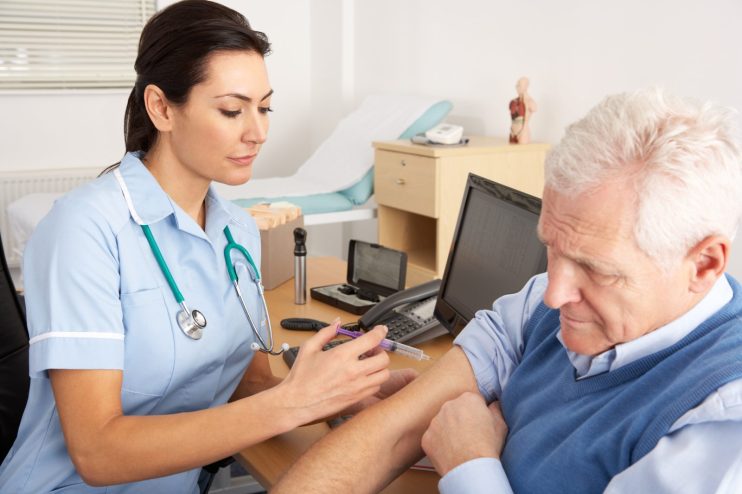
It’s been impossible not to notice the temperatures falling and the winter nights slowly drawing in. Whilst we can look forward to cosy Autumnal nights and frosty winter walks, that change in the weather also means it’s time to redouble our efforts to fight not just Covid-19, but flu, too.
Due to last year’s winter lockdown, people’s immunity to winter flu may be lower than before the pandemic. With more people mixing indoors, and therefore potentially pushing up the spread of Covid-19, there is a risk that we could see increases in both flu and Covid-19 – and that’s bad news for the NHS.
But the good news is that we have a way of combating both – vaccines. The flu vaccine and the Covid-19 booster shot are both vital to our fight against these nasty viruses.
Can they both be around at the same time?
Yes, is the short answer. Whilst last year’s flu season was very small, that was because we were locked down – and flu wasn’t able to spread in the same way it usually does. That was obviously vital last year to protect the NHS as it dealt with a wave of Covid-19 infections. We were helped by a record uptake in those who are eligible getting the flu jab last year – a record it’s important we beat in 2021.
With restrictions eased, we’ll be meeting more people, going into work more often and that will allow flu to spread between us. That mixing will also allow Covid-19 to spread, too.
To check your eligibility for the flu vaccine and COVID-19 booster vaccine or to find a service visit nhs.uk/wintervaccinations
The flu jab
How dangerous is flu?
Anybody who has had flu knows it is a miserable experience, but for at-risk groups, it can be very serious indeed. In England around 11,000 people are killed each year by flu.
So it’s vital that we get on top of it.
How did the flu vaccine come about?
Because we’ve known about flu for a long time, scientists and researchers have been working on vaccines for a long time too. Every year they produce a new vaccine which is specially built to fight the strains of flu going around that winter – making it as effective as possible. Like all jabs, it’s signed off by an independent regulator in the UK before being rolled out.
Does it work?
Immunisation gives the best protection against flu. Flu immunisations help protect against the main types of flu viruses, although there’s still a chance you might get flu. If you do get flu after vaccination, it’s likely to be milder and not last as long – which is crucially important. Having the flu vaccine will also stop you from spreading flu to other people who may be more at risk of serious problems from flu. It can take 10 to 14 days for the flu vaccine to work.
Who is eligible?
“This year the eligibility criteria for the flu vaccine has been widened out to reflect the importance of keeping flu infections to a minimum. Children aged from 2 to year 11 at secondary school, pregnant women, those in long stay- residential homes, carers, frontline health and social care staff and those over 50’ are all eligible, as are people with a host of chronic conditions.”
Where can I get it?
“You’ll be able to book an appointment at your GP surgery, a pharmacy offering the service , your midwife service if you’re pregnant or you may be offered one while at a hospital appointment. School children will be offered a flu vaccination in school. If your child hasn’t started school yet or is within a high risk group they can get a flu jab at their GP.”
I had Covid-19 – so I’ll get the flu jab if I can
Charles Montlake, 59, lives in Greenwich with his wife Deborah and his mum Ruth. Charles was diagnosed with myeloma, an incurable blood cancer in 2019, which is being treated with chemotherapy. He was worried that either Covid-19 or flu could potentially kill him – so he’s got both his flu jab and his Covid-19 booster shot this winter.
“As my mother – who lives with us – is 89, she was one of the first to get jabbed. She was also one of the first to get a call up for the Covid booster. But when I phoned up to book her appointment and explained that I’m a cancer patient, staff at Guy’s Hospital said that I could get my booster too – as could my wife. So all three of us went together and got the Pfizer vaccine at Guy’s,” he told us.
Charles jokes that he’s doing “mediocrely well, all things considered, but he says that being vaccinated is allowing him to live his life.
“I might have these conditions, but being jabbed means I can crack on with life. Now I can get on and do things like go to pubs and restaurants – and I’ve just booked tickets to see Tim Minchin. Without being jabbed, I can’t do this stuff. Anyone who chooses not to have the jabs is making a poor decision,” he says.
Charles is certainly not resting: in October of last year he did a virtual marathon, raising plenty of money for charity MyelomaUK, helping to find a cure.. You can contribute via virginmoneygiving.com/CharlesMontlake
Covid-19 booster jabs
Alongside our efforts to fight flu, the roll-out of the so-called ‘booster’ Covid-19 jab continues apace. More than seven million people have had a third shot so far, and that added immunity will help us fight the Covid-19 virus through the winter. Those antibodies we develop from the vaccine are the best defence against Covid-19.
Why is the COVID-19 boster programme needed?
We want to provide the people that are most likely to become seriously ill from COVID-19 and those who care for them with the best possible protection for this Winter. The Joint Committee on Vaccination and Immunisation (JCVI) has reviewed available data and provided advice that COVID-19 boosters are offered to the most vulnerable in order to maintain protection from COVID-19 throughout the Winter months, and to protect the NHS.
While most people have two doses as part of their first (‘primary’) course and many are then eligible for a booster, vaccination experts have recommended three doses in the ‘primary course’ for people who have a severely weakened immune system, to get a good level of protection from COVID-19.
How soon after a second dose will a booster be offered?
JCVI advises that the booster vaccine dose is offered no earlier than 6 months (182 days) after completion of the primary vaccine course (your second dose).
I’m pregnant – is it safe to get the Covid and flu jabs?
Yes – both are safe for pregnant women, and it’s important to have both if eligible. There are more risks for you and your pregnancy if you contract Covid-19 without the vaccine, and the flu vaccine will also help protect your unborn baby. If you catch flu when pregnant, you’re at risk from complications such as bronchitis and it could cause your baby to be born prematurely, have a low birthweight and may even lead to stillbirth. If you’re pregnant you can get a free flu vaccine from your GP, pharmacist or through your maternity service.
Where will Covid-19 booster vaccines be available?
The NHS will let eligible people know how to get their booster which people can have from six months after their second dose. People with certain health conditions may be offered the Covid-19 booster earlier. Thousands of locations across the country offer a Covid-19 booster to give people choice and convenient access. If you are eligible, you will be able to book an appointment at a vaccination centre, designated pharmacy or GP-led service using the NHS Covid-19 national booking service or you can simply go to a walk-in service by using the NHS ‘Grab a Jab’ walk-in site finder. This is alongside many GP-led services and hospitals directly inviting people to be vaccinated through their services.
- The latest data shows that protection provided by the vaccine falls after 6 months, particularly for older adults and at-risk groups.
- Because so many of the population are now vaccinated a small fall in the protection to individuals may lead to many more severe cases of COVID-19 across the country, putting more pressure on the NHS.
- The booster programme is designed to top up protection from serious disease for those most at risk over the winter months. Early results from Pfizer show that a booster following a primary schedule of the same vaccine restores back up to 95.6% against symptomatic infection.