
Win a dream house for £10? How Omaze found controversial success in the UK

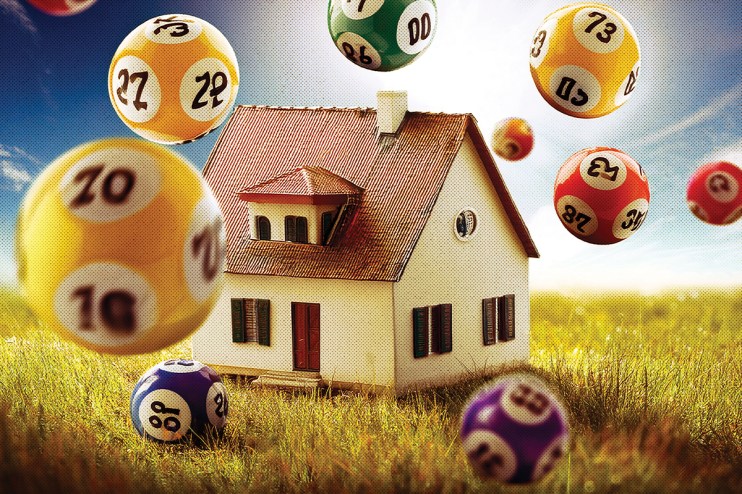
Luxury house prize draw Omaze has found booming success in the UK, but not everyone’s happy about it. Anna Moloney examines why
“What would life be like if you won this luxury house in London?” asks a gleaming blonde presenter on Instagram wafting around a £5m industrial chic Hackney property, that could be yours. If that sounds familiar, you’re not alone: this is Omaze, the luxury property prize draw that promises the chance to win your dream home, and the accompanying high-flying lifestyle, with a swish of its magic wand (or, more accurately, a minimum £10 online entry). The ads are corny but undoubtedly effective, especially for those poor sods with glass-half-full dispositions (yes I did enter). Combined with influencer partnerships, these seemingly ubiquitous ads have given Omaze an impressive social media presence and the accompanying success, with the company now giving away a house a month and receiving entry numbers in the hundreds of thousands.
But almost equally ubiquitous when it comes to Omaze is scepticism: ‘is Omaze legit?’, ‘is Omaze a con?’, ‘is Omaze rigged?’ are some of the most googled enquiries relating to the company. To be clear, it is legitimate. Its premise is simple: it buys homes, “Omazifies them” and then raffles them off. A minimum £1m charity donation is made per draw and, unlike dubious house lotteries of the past, it is guaranteed that someone will win, regardless of the number of ticket sales.
Omaze’s origins
Launched in 2012 in the US, the offering originally hinged on winning Bullseye-style campervan prizes and celebrity experiences (ride a tank with Arnold Schwarzenegger, for example), inspired by a bougie LA auction attended by Omaze co-founders Matthew Pohlson and Ryan Cummin. In 2020, however, they switched to homes, left the Terminator behind and set sail for Blighty, where a nation of British American dreamers living amid a crippled housing market were ready to welcome them with open arms.
“Our research indicated that owning a beautiful home is a nearly universal dream – and this proved to be the case. In fact, the house model has proven so successful, Omaze plans to launch it in other markets in the future,” James Oakes, chief international officer at Omaze, tells me, later adding that they’re even looking into the prospect of developing their own Omaze houses to raffle off.
The model has seen Omaze grow rapidly in the last four years. Oakes won’t disclose specific numbers, but says their average monthly raise for charity partners has now risen to well over £3m per draw and the company is eyeing profitability in the 2024 financial year. “To help quantify that, when we started in 2020 our first house was worth £1m, ran for seven months and raised £250,000 for Teenage Cancer Trust. Now we give a house away every single month with an average value of over £3m.”
But not everyone’s so pleased with its success. Particularly contentious is Omaze’s classification as a ‘prize draw’ rather than a lottery, a technicality Oakes is keen to emphasise to me after I repeatedly call it a lottery. This is for good reason. If Omaze were a lottery, it would be classed as gambling, and come within the purview of regulations set out and overseen by the Gambling Commission. A prize draw, on the other hand, falls into the category of advertisement, and as such puts Omaze under the far less menacing regulatory hand of the Advertising Standards Authority (ASA).
Lotteries vs prize draws
The technicality is a point of frustration for anti-gambling groups, who see Omaze’s classification as a prize draw as a way of avoiding proper controls on a product that, in their view, amounts to gambling.
So what’s the difference? According to the Gambling Commission, lottery entries are always paid-for, whereas prize draws must have a free entry route, and crucially one that is no less convenient or prominent than the paid-for route. For Omaze, like most prize draws, this comes in the form of a postal entry option. A senior compliance lawyer, however, told me this distinction had become out of date since 2022, when Northern Ireland (whose stricter stipulations over what counted as ‘genuinely free’ had previously skewed the terms for UK-wide competitions) aligned its rules with the UK – removing this requirement and making the difference even more unclear.
And even with ‘free entry’ postal entries, there are contentions. Royal Mail is not famed for convenience, while “no less” should mean you can also enter for free online is the viewpoint of Clean Up Gambling director Matt Zarb-Cousin, and Omaze did get a slap on the wrist from the ASA in 2020 due to clarity around its free entry option.
This is a loophole that’s been pretty brazenly exploited
“I think this is a loophole that’s been pretty brazenly exploited by these types of sites,” Zarb-Cousin tells me, highlighting his concerns over the lack of transparency over consumers’ chances of winning. “It masquerades in some ways like an online raffle that you might do for charity, but it’s a gambling company that operates on an industrial scale.”
The chances of winning an Omaze house are indeed unknown and a postal vote is certainly unlikely to get you there. Unlike the online offering, which offers you a minimum 15 tickets per purchase, you can only get one ticket per postal entry. Unsurprisingly, a house is yet to be won by a frugal postal participant.
Tough luck, some might shrug, but for Zarb-Cousin and other anti-gambling advocates it’s a serious issue linked to an increasing “gamblification” of society with serious consequences for those who become addicts. “Omaze, along with other lottery type products, contribute to the unhealthy normalisation of gambling in Britain, which the government should seek to reverse,” Will Prochaska from the Coalition to End Gambling Ads tells me. Zarb-Cousin, a former gambling addict himself who founded Gamban, a gambling site blocker to help addicts, tells me Omaze is one of the sites blocked by the product, due to demand.
There’s evidence of wider resistance too. Former MP Steve Brine raised the matter in parliament in 2022 after being urged by his children to enter to win them a sunshine-soaked villa, describing Omaze as a lottery competitor facing “little, if any, regulation”. Then-gambling minister Chris Philp told him he was aware of the issues and looking into the matter, but two years on and the government’s most recent gambling paper still only cites such products as subject to the “potential” to be further regulated, pending consultation.
Would a gambling classification lessen the appeal for most? Amid the UK’s no-end-in-sight housing crisis, I imagine Omaze could raffle off a bedsit in Bermondsey and be just as successful. As rents continue to climb, wages continue to stagnate, and the UK’s chronic shortage of houses goes nowhere, the housing market is just one other lottery to stake your bets on.