
Will it work? GB Energy

It’s election season. Politicians are giving us a barrage of policies. But we often forget to ask the most important question: will they actually work? In this column Sam Fowles takes policies on their own terms and asks whether they solve the problem they’re supposed to solve. This week: Labour’s green investment plan.
What’s the plan?
Labour proposes £8.3bn for a new energy investment vehicle, “Great British Energy”, which will partner with the private sector to deliver green energy projects. This will be paired with a £7.3bn green investment strategy. Simultaneously, the party promises to “rewire Britain” by expanding the National Grid, along with various smaller measures, such as funding for insulating homes.
Finally, some ambition! Regular readers will know I often criticise policies for tokenism. Labour’s green growth strategy, however, looks genuinely radical (to see a potential government talking positively about an “industrial strategy” warms my little Keynesian heart).
Reasons to get excited
The plan gets three important things right. First, it tackles net zero as an opportunity rather than a burden. The plan aims to simultaneously enhance energy independence and (consequently) security, bring down prices, provide a much-needed economic stimulus and hit net zero by 2030.
Second, it recognises that the state needs to lead in this area. Energy has never been a free market. Since 2015 the government has pumped at least £140bn in subsidies into the sector. The bulk of these go to fossil fuels (in addition picking up the tab for fossil fuel’s externalities, worth at least £11bn per year). If subsidy is inevitable, it should be targeted better. State investment in green energy will reduce upfront costs of financing new green projects, allow them to stay the course when they hit snags and facilitate a strategic approach to green investment. Labour’s plan might finally allow renewables to compete with fossil fuels on something like even terms.
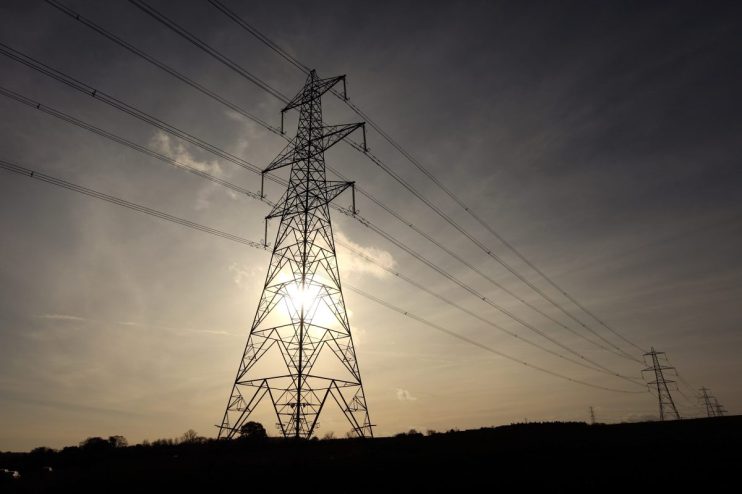
Third, it treats the challenge with a package of interconnected measures. There’s no point investing in new green projects if the National Grid isn’t upgraded. Currently projects are waiting up to 10 years for a grid connection, potentially locking £200bn of private investment out of the market. This forces developers to choose sites based on where there is an existing grid connection rather than where they are most appropriate. This generates tensions with local communities, reduces buy-in for net zero and means essential projects are refused planning permission.
Cause for concern
If Labour’s plan is to work, the industry needs to play ball. The energy industry has a history of taking supply-side boons (like falls in wholesale prices) and pocketing the profits, rather than passing the benefits on to consumers. The plan has little value if the benefits just end up in the pockets of energy shareholders. Labour may need to reform the energy price cap to ensure the benefits of the scheme filter through into the wider economy.
Does it add up?
Potentially. The plan is ostensibly funded by closing loopholes in the windfall tax on oil and gas. Given it’s mostly stimulus and investment, there would also be a case for funding it through borrowing. The question remains, however, whether the plan will generate the impacts it promises. The investment strategy relies heavily on private sector buy-in, with a target of raising three times as much private investment as the government puts in. Even if this is achieved, the total package only amounts to around £80bn over the course of the next parliament (depending on how it is calculated). It’s estimated that, to break out of the current stagnation, the government needs to generate nearly that amount of investment every year.
How does it score?
- Electoral appeal: 3/5
- Value for money: 4/5
- Effectiveness: 3/5
- Originality: 4/5
Overall: 14/20
VERDICT: It’s (at least the shape of) the right solution to the right problem. But, unless the private sector rides in to save the day, it might sink without a trace.