Skip to content
City PM
  • Germany
  • France
  • Europe
  • Markets
  • Business
  • Opinion
  • Germany
  • France
  • Europe
  • Markets
  • Business
  • Opinion
Tuesday 01 February 2022 4:50 pm  |  Updated:  Tuesday 01 February 2022 4:51 pm

Why the Winter Olympics is an opportunity for cybercriminals

By: Francis Gaffney

Add as a preferred source on Google
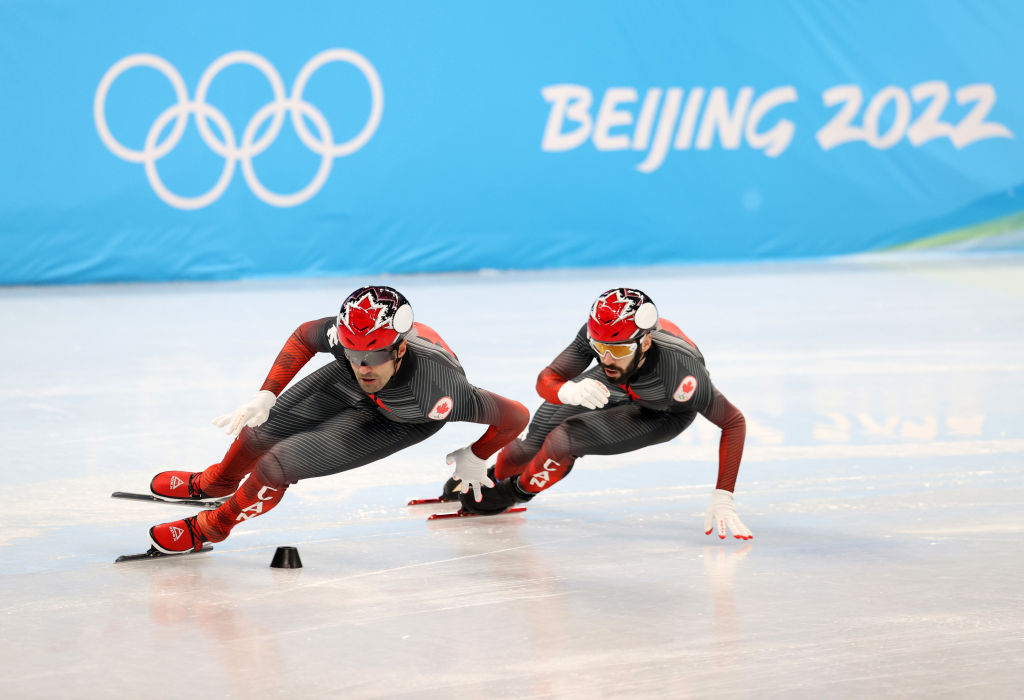
Like many major events, the Beijing 2022 Winter Olympics will likely be a target of cybercrime

Only domestic spectators will be able to attend the Winter Olympics when it begins this week, meaning there is likely to be significant global interest in the streamed productions – and therefore opportunity for cybercriminals.

These cybercriminals look to take advantage by harvesting credentials from illegitimate websites, attempting to compromise devices via email campaigns, or to gain financial resources via disruption, fraud, or other criminal activities. 

Here are the main cybersecurity threats facing the Beijing 2022 Winter Olympics.

Ransomware

The first and most obvious threat is ransomware, which hit the headlines last year when a hack on the Colonial Pipeline in the United States highlighted the real-life impact it can cause. 

A successful ransomware attack would cause massive disruption to the Winter Olympics, where a victim could come under pressure to pay the ransom demands to quickly get an event to go ahead, allow the television media to broadcast, or to get critical services back online quickly.   

Any organisation involved with the delivery of the event should be prepared for highly likely ransomware attacks. They must get the necessary security measures in place, as well as ensuring there are adequate data back-ups. It is important to adopt a layered security approach that focuses on both technology and people.

Hacktivism

Hacktivism, and attacks that seek media attention for a cause, are always a possibility with big events such as the Winter Olympics. 

Due to the large audience the Games should attract, both domestically and via the streamed broadcasts, they provide a perfect environment for these threat actors to communicate their narrative. As with all such events, domestic and international cybercriminals will attempt to draw attention to any issues that could cause embarrassment to the host nation.

Read more

World Cup won’t boost US or European economies, experts warn

Breaking news event with diverse crowd in urban setting, capturing dynamic interaction and vibrant city atmosphere

Insider threats

Events like the Winter Olympics require a massive workforce to deliver them, with hundreds of different organisations involved and thousands of employees, volunteers and contractors with access to systems and software. 

Cybercriminals understand this and will be keen to use this to their advantage. They can use social engineering – a type of psychological manipulation – to understand which employees are most vulnerable to exploitation and employ coercive or financial motivations to get them to provide credentials, access, or vulnerabilities that can be exploited.

Organisations must educate staff and provide cybersecurity awareness training to ensure they are prepared for these threats. Social engineering training gives people the tools they need to recognise threats. 

Fake streaming websites

It isn’t just the organisations involved with delivering the Winter Olympics that are vulnerable to cybercriminals; spectators are too. 

Changes in broadcast rights since the Rio 2016 Games have limited the number and breadth of events shown by national TV providers, meaning some can only be seen behind a paywall. Consequently, cybercriminals are targeting social media users by offering free access to specific sports via streaming websites that require them to enter their personal details.

Spectators should understand that some of these websites are malicious. It is always best to watch via the official broadcast partners of the Games, even if that means paying for their service, rather than giving over bank details which may be used or sold on the dark web.

Dr Francis Gaffney is Director of Labs and Future Ops at Mimecast.

Read more

World Cup: How brands will activate as the knockouts begin

Morocco v Haiti: Group C - FIFA World Cup 2026

Share this article

  • Facebook
  • X
  • LinkedIn
  • WhatsApp
  • Email

Similarly tagged content:

Sections

  • Life&Style

Categories

  • Sport Business

Related Topics

  • Cybercrime
  • Olympic Sport

Trending Articles

  • Top Burnham adviser calls for capital gains and inheritance tax hikes

  • A meeting with the breakfast king of Mayfair

  • As it happened: Stocks jump on defence and metals boost; Oil on track to shed a fifth on US-Iran peace hopes

  • Clarkson’s Farm and why businesses must stop blaming the weather

  • BT tops FTSE 100 after finding new home for international business with Verizon joint venture

More from City PM

  • World Cup won’t boost US or European economies, experts warn

    Sport Business
    Breaking news event with diverse crowd in urban setting, capturing dynamic interaction and vibrant city atmosphere
  • World Cup: How brands will activate as the knockouts begin

    Sport Business
    Morocco v Haiti: Group C - FIFA World Cup 2026
  • Prem Rugby needs to switch up its calendar to stop final being banished to fringes

    Sport Business
    GettyImages 2220159051 showing a significant news event with key figures discussing major topics in a formal setting
  • UK economy falters as deeper damage to growth to come

    Economics
    Rachel Reeves speaking at an IOD event.
  • Game, Set, Match: How brands can serve up lasting value at Queen’s

    Sport Business
    Breaking news concept with digital globe, network lines, and binary code representing global communication and data flow
  • Matalan kicks off turnaround under new boss as retailer slashes jobs

    Retail
    Henrik Nordvall addressing a conference, wearing a suit, with a presentation screen in the background, engaging audience.
  • Balfour Beatty emerges from US oversight scheme after fraud against military

    Transport & Infrastructure
    Balfour Beatty construction site showcasing cranes, workers, and building progress against a city skyline backdrop
  • Andy Burnham commits to triple lock despite backlash over ‘unsustainable’ policy

    Politics
    Andy Burnham speaking to supporters during his campaign to re-enter UK parliament, engaging with the public in outdoor set...

City PM — European politics, business and analysis.

Europe

  • Germany
  • France
  • Europe
  • UK & Ireland

Topics

  • Business
  • Markets
  • AI
  • Technology
  • Opinion
  • Energy

More

  • Politics
  • Economics
  • Fintech
  • Legal
  • Sport
  • Life

Company

  • About City PM
  • Editorial Policy
  • Corrections
  • Contact
  • Terms of Use
  • Privacy Policy
  • Cookie Policy
© 2026 City PM · Published by CityPM Media, Bahnhofstrasse 65, 8001 Zürich, Switzerland
About · Editorial Policy · Corrections · Contact · Privacy