
Why clubs – not schools – are key to solving the youth crisis

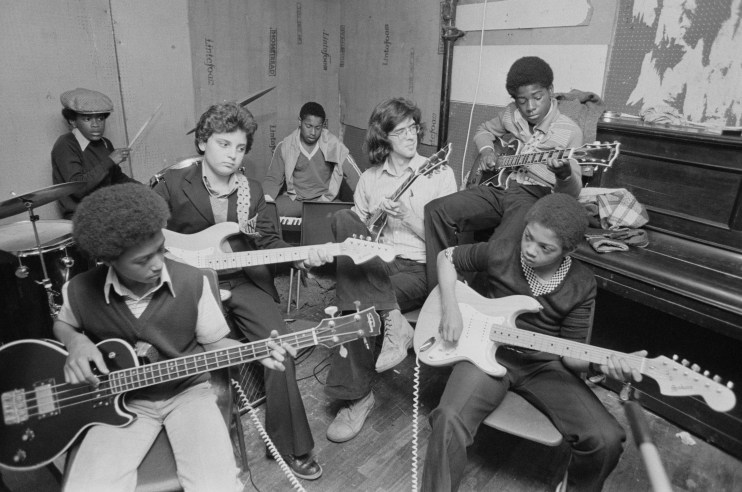
Youth clubs were great levellers of the 1980s and 90s. A new wave would go a long way in tackling today’s youth crisis, writes Eliza Filby
For many of us who were young in the 1980s and 90s, youth clubs were a fixture of our childhood. Mine was 20p to enter – a space where I played sports, made music, experimented with art and even had my first kiss. More than just affordable, they were a great leveller – everyone went, regardless of background.
Since 2010, with local government cutbacks, over 1,243 council-run youth clubs have closed. But, as someone who works with multiple companies seeking to hire young people in sectors from engineering to retail, I’m convinced the need for social spaces for the young has never been greater.
The anxious generation
Every era sees its youth as ‘in crisis’, but today’s challenges feel uniquely severe. Youth worklessness is at a 10-year high, school absence has become normalised post-Covid, knife crime is a national crisis and mental health support is severely lacking – leaving many young people without the structure, security and opportunities needed in those critical years. Jonathan Haidt’s The Anxious Generation too has ignited a fierce debate, exposing the harms of digital overdependence – not just as a distraction, but as a force eroding childhood itself – while making an urgent case for the real-world socialisation young people need.
Over the last 30 years, we’ve overemphasised education, creating a sink-or-swim system that leaves many behind, while expecting schools to solve everything from obesity to workplace skills. Yet young people spend less than 20 per of their time in school. What about the other 80 per cent? Two-thirds of young people now spend most of their leisure on screens, nearly half alone in their bedrooms. Even they don’t see this as ideal: 52 per cent want to cut back on phone time.
Croydon’s new-age youth club
Curious to find alternative sources of inspiration, I visited Onside’s Youth Zone in Croydon – one of four Onside centres in London. Unlike the rundown centres of my childhood, these are multimillion-pound, purpose-built hubs, designed by local kids themselves and fizzing with energy: climbing walls, boxing rings, music studios, cookery schools and even barber shops – for just 50p. But the most important feature? Not just social interaction, but safety.

Kids travel from across southeast London for Onside Croydon, drawn by skilled youth workers who provide more than just fun, quite often helping kids back into school, applying for a job or even learning how to cook. Some might see youth centres as a social issue, but business leaders should be paying close attention – this is about workforce development.
Employers often complain that young people lack key soft skills – communication, resilience and teamwork. Youth centres are the missing link, offering real-world exposure. Onside is also trialling Gen AI Pioneers, helping young people from disadvantaged backgrounds to be trained in AI, gaining skills that will make them employable in the future. Every policy wonk will tell you, if we don’t invest in young people early, we will pay the price later – through rising youth unemployment, mental health crises and a widening skills gap.
How can they work for business?
The real innovation of Onside is its funding model between charity, state and business; for every new Youth Zone, 50 per cent of funding comes from private sources and 50 per cent from public money. For ongoing running costs, the balance shifts to 70 per cent private, 30 per cent public with business leaders sitting on boards.
But this isn’t just a case of business writing cheques; these philanthropists are from the area where the space is situated, meaning they have a local attachment which makes them and the community invested in its success. In the words of Keith Black, CEO of Regatta Clothing and founding chair of the Onside Unitas in north London: “People don’t necessarily want to give to big institutions. They want to give to something local, where they can see the impact.” The model is working. Today, 15 Youth Zones across the UK are open, with seven more launching in the next two years, reaching 100,000 young people.
This isn’t charity; it’s an investment in long-term solutions – and yes, one that directly fuels the building of economic growth at a time when frankly our economy needs it most.
Eliza Filby is the author of Inheritocracy: The Bank of Mum and Dad