
Why are convenience stores all the rage?

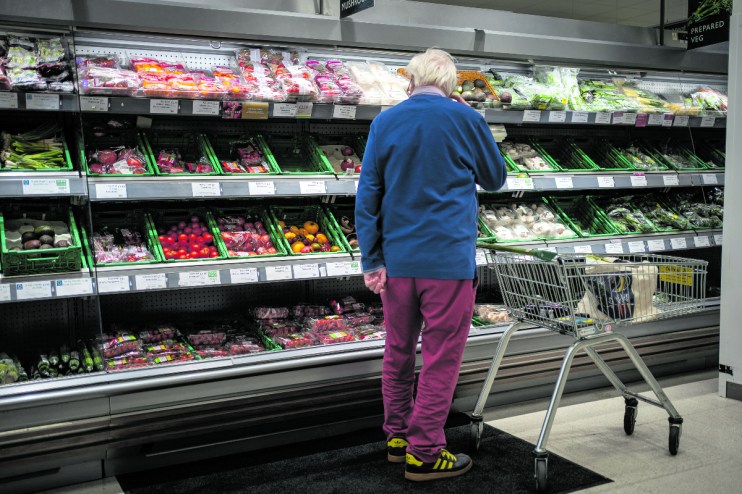
Earlier this week, Waitrose became the latest UK grocer to announce a big push into the convenience store market. The supermarket giant will open 100 stores in the next five years as part of a $1bn investment plan.
Waitrose follows Asda, Morrisons (with its McColl’s estate), Tesco, Sainsbury’s and the Co-op in ploughing ahead with small stores.
The move will see Waitrose double its number of small shops (from 45 to 145) and bump up its overall store portfolio by around a third.
So, why the convenience craze?
A ‘faster pace of life’
For a start, customers are looking for ease and efficiency in an increasingly rapid commercial environment.
Waitrose said their investment comes from a “response to the way customers are shopping… we know the demand is there”.
Following partnerships with Uber Eats and Deliveroo, the grocer has recorded a 140 per cent rise in average weekly sales. Small motorway and forecourt shops have also thrived.
“The renewed investment in the convenience sector… is a reflection of growing consumer confidence and a return of a faster pace of life post-pandemic,” Bridget McCusker, retail analyst at Mintel, said.
Younger, urban-based shoppers are a particular target, seeing convenience stores’ slightly higher prices as a “worthy trade-off for a more convenient and local shop” – particularly as the cost-of-living crisis continues to ease, McCusker added.
Tim Black, associate director at Frontier Economics, said: “[Convenience stores] cater to the growing trend of top-up shopping… [and] they’re ideal for supporting online orders, offering convenient pickup points for rapid delivery and click & collect.”
Better reach for better buys
Aside from catering to a market looking for speed and convenience, smaller shops are in favour because they allow firms to rapidly expand into new areas and pick up more customers in a very competitive market.
Eleanor Simpson-Gould, senior retail analyst at GlobalData, said that convenience stores offer a “lower investment cost than larger format stores”, which allows grocers to grow their store portfolios faster. Essentially, they’re both quicker and cheaper to open.
Stores can then “create touchpoints within new locations to enhance customer acquisition”, she said, something increasingly important in a highly competitive grocery market, with many brands competing for a limited amount of shelf space.
Many UK grocers have been offering discounts and price reductions to compete with the likes of Lidl and Aldi. Asda, in particular, has cut prices by an average of 17 per cent on more than 280 items to get their prices in line with German discounters.
Waitrose, too, has repeatedly lowered prices as it battles with Marks and Spencer over middle-class shoppers.
Convenience stores offer a chance to nab customers while they’re out and looking for something quick, rather than weighing up the big weekly shop – and the more stores, the better the chance you end up the right place for your busy customer.
Is Waitrose making the right choice?
The convenience market – partly because it is so lucrative – may be even tougher than the grocery market, with nearly 50,000 stores in the UK.
Tesco Express accounts for around 30 per cent of grocer’s convenience stores in the UK, making it the one to beat, and big supermarkets face further competition from corner shops, too.
Waitrose is slightly more expensive than its competitors, but its reputation for quality may give it an edge, “especially with customers who are willing to pay a bit more for a premium experience,” Black said.
“We’ve seen the success of M&S Food and Tesco Finest, which shows there’s a market for this – and Waitrose is well-positioned to meet that demand, provided they can overcome some of their recent challenges,” he added.
However, the new stores have to be managed carefully; where new stores are located is “key”, Black said.
“Ideally [they open] in areas where they can attract new customers and boost spending from existing ones, rather than just shifting sales from one store to another,” he added.
The sector will face further competition from delivery services, too, with both serving small-basket demand.
Just over 20 per cent of online grocery shoppers use rapid delivery services for their grocery needs, up by six per cent points from 2022.
But Waitrose seems to be on top of the trend already: “[Delivery] is central to this new store concept as the grocer will offer collections outside of stores’ opening hours and offer a dedicated internal space for on-demand grocery collections, McCusker said.