
What the Windfall?! Debunking what just happened and why the industry’s not happy

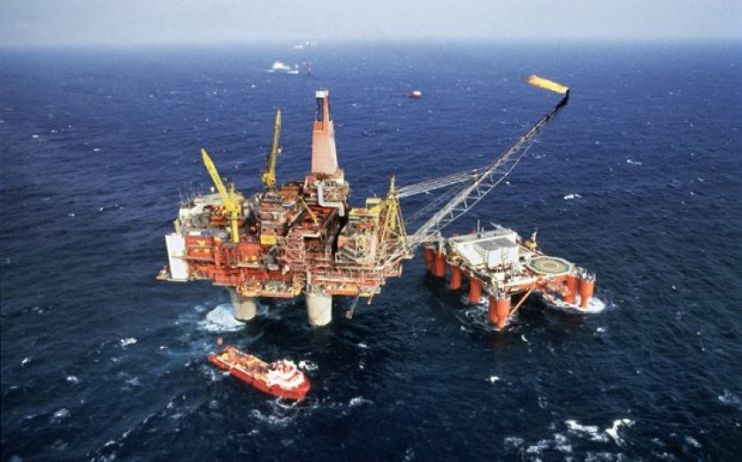
The government has made changes to the Energy Profits Levy – known as the windfall tax – which imposes a 35 per cent additional tax on the earnings of oil and gas producers in domestic waters, chiefly the North Sea.
This is on top of the incumbent special corporation tax rate of 40 per cent they already pay – meaning domestic fossil fuel producers pay an effective 75 per cent rate of tax.
Rishi Sunak first introduced the levy when he was Chancellor in May last year in a bid to harness record profits of energy giants, fuelled by Russia’s invasion of Ukraine, to fund household support for ultra-high energy bills.
It was then toughened under Chancellor Jeremy Hunt last November as the government scrambled to shore up the nation’s finances after the economic volatility caused by the tumultuous and short-lived Liz Truss administration.
Crucially, as well as hiking the tax from 25 to 35 per cent, Hunt extended the sunset clause from 2025 to 2028 and determined that it would remain in place regardless of oil and gas prices.
This meant banks perceived it as a policy shift and tightened lending terms for oil and gas producers, hampering investment.
Now following sustained industry lobbying – which was first revealed by City A.M. – Hunt has decided to introduce the Energy Security Investment Mechanism (ESIM).
This establishes a price floor at $71.40 per barrel and 54p per therm.
At this point, the windfall tax would fall away entirely – with taxes dropping from 75 to 40 per cent.
If oil and gas giants make so much money, why does the windfall tax matter?
Shell and BP both made record full-year profits last year, and independent oil and gas traders such also recorded bumper earnings.
However, while global energy giants have less than ten per cent of their operations and revenues in the UK, companies such as Harbour Energy, Ithaca Energy and Enquest are chiefly focused on domestic waters.
This means the tax hits a much higher proportion of their earnings without the cushion of overseas earnings.
They are also generally much smaller companies in terms of net asset value, even if they produce comparable levels of oil and gas in the North Sea, meaning they often have to team up with rivals and rely on banks for new projects.
However, with the increasingly tough investment climate, energy firms are pulling out of projects – despite the government wanting further oil and gas exploration, and including it in the energy security strategy they published last year.
Enquest and Harbour have both pulled out of key projects this year while Rosebank – the largest undeveloped oil and gas field in the North Sea – faces an uncertain future with minority stakeholder Ithaca weighing up whether to invest in the project.
This is a real challenge as the industry also supports 215,000 jobs in the UK with domestic fossil fuels meeting half the country’s oil and gas needs.
The Climate Change Committee, Westminster’s independent advisory group, predicts half of the UK’s energy requirements between now and 2050 will still be met by oil and gas, and as much as 64 per cent of UK energy needs between 2022 and 2037.
Currently, 75 per cent of the UK’s overall energy needs are met by oil and gas – despite huge advancements in renewable generation.
What is the industry reaction to the latest announcement?
For the price floor to kick in, the Treasury requires oil prices to fall below the threshold for a period of six months for the windfall tax to be removed.
Based on forecasts from the Office for Budget Responsibly, ESIM will not be triggered before the tax’s planned end date in March 2028.
Brindex, which represents independent oil and gas traders, argues this is “simply too far away” and will not have any effect on preserving investment.
It “is calling for the price floor to be lowered before March 2028. In addition, the removal of the EPL should require either the oil or gas price to fall beneath the floor price, not both. This will protect the UK’s smaller, independent exploration and production companies.
The reaction from oil and gas firms themselves has so far has been muted, at least in public, with companies taking a wait and see approach.
Harbour were also frustrated, warning: “we will take time to understand the detail of today’s announcement and the impact of it, if any, on our business and plans.”
On similar lines, Ithaca said it “will now move to analyse the implications of the changes to financing capacity and to our high-value development projects.”
Even Shell, which was more optimistic the price floor will “help to improve investor confidence in the North Sea” also “look forward to seeing further detail.”
The industry was considerably more critical of the announcement behind closed doors.
An industry source told City PM that the ESIM “doesn’t do anything” to change investment conditions and will not encourage banks – which have toughened lending rules – to provide more capital to oil and gas companies.
They dismissed the floor threshold as below conventional conditions – with six month periods of oil prices that low typically representing only severe economic conditions.
Another industry source told City PM they were “extremely disappointed.”