
We’re only building 100,000 new homes a year – that’s nowhere near enough

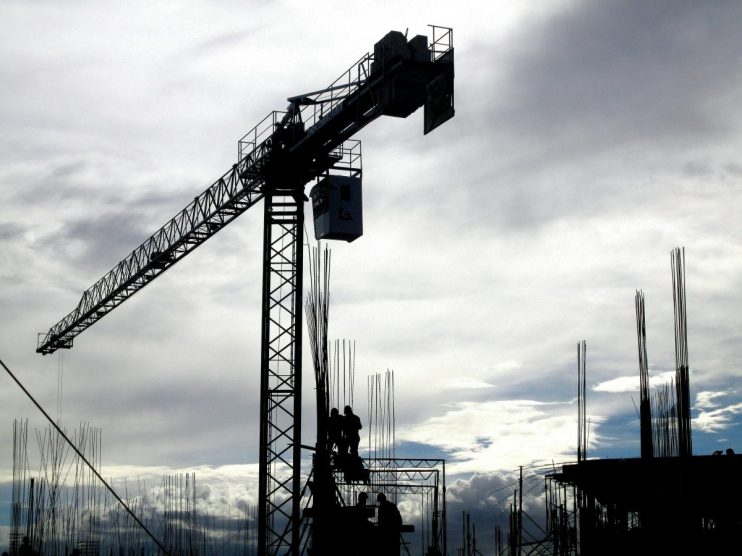
High interest rates and slow planning processes mean new home delivery has likely fallen to just 100,000 in the last 12 months. We need to be building four times that many a year to fulfil our moral duty of getting people on the housing ladder, says Brandon Lewis
We need to build more homes. It is a sentence I have written, sadly, many times before. Yet here we are again. With the government perpetually outlining its housing plan but falling short on concrete details, we must consider what any such plan should include. As ever, housing is more than bricks and mortar; it is the foundation of economic growth and social mobility.
A core driver of economic growth has always been enabling house builders to build and home buyers to buy. A quick look at the country’s GDP in the decades following the Second World War reveals a clear link between economic growth and increased residential development. For years, home building has remained one of the cornerstones of the UK economy, bringing a cascade of positive knock-on effects across all sectors. From the contractor who hires more workers, to the banker underwriting mortgages, to the enterprising DIYer trudging to the local home goods store for supplies – when homes are built, money flows through the economy.
Building homes also increases tax revenue, fosters community development and provides a stable pathway for household equity and long-term financial stability. If we want to see that kind of growth in our economy, Canada, the politicians in Westminster, and the builders who will get the job done have a shared role and moral duty to help people onto the housing ladder and deliver the social mobility such achievements afford.
New housing stock has declined
Following the 2008 recession, home building in the UK dropped precipitously, with fewer than 100,000 homes built annually. It was a difficult time for builders and the industry as a whole, with many small companies going bankrupt or exiting the sector entirely. This left the country, for a time, short of skilled professionals. Still, over the next decade and a half, the number of new builds grew, peaking at just over 250,000 prior to the Covid-19 pandemic.
Sadly, since then, new housing stock has declined. Today, higher interest rates, limited building opportunities and a historic lack of borrowing access or support for first-time buyers have caused demand to fall. On the supply side, slow planning processes and delays in delivering local plans have increased the time it takes to approve applications and begin construction. These issues, combined with supply chain challenges and inflation pressures, have driven up already high costs. As a result, over the past 12 months, new home delivery has likely fallen back toward 100,000.
Taken together, homeownership is being pushed out of reach for too many, too quickly. In just one generation, the ability to buy a home has dissipated, and the average age at which earners can afford their first home is now approaching 40. To help first-time buyers, we need to build, build, and build some more – but we cannot stop there.
The average age at which earners can afford their first home is now approaching 40
To fulfill our duty of getting people onto the housing ladder and ensuring equitable social mobility, we must expand access to affordable and social housing, shared equity homes and private rental accommodations. New builds can provide opportunities to live close to family and high-paying jobs while supporting flourishing communities centered on people.
The new government is right to make home building a key focus, and I fully support their aims. But to stabilise – and ideally reduce – house prices, we need to deliver around 400,000 new homes a year to meet demand and address the backlog created by years of underdelivery. When such numbers arise, we often hear about Churchill’s challenge to Macmillan in 1951 to deliver 300,000 homes a year. Macmillan succeeded a year ahead of schedule – but many of those homes were replacements, not new builds. What we face now is unprecedented. Then again, what challenge in today’s world isn’t? Faced with this near-impossible task, we must do it because it is essential. Together, we can. Together, we must.
Brandon Lewis is a former minister and Conservative party chairman