
The cure for Sick Building Syndrome?

Buildings are boring. We spend so much time inside that we hardly notice them, except when they go wrong. Sometimes this happens in big ways. In 2020, two-year-old Awaab Ishak succumbed to the black mould in his flat. Poor quality household air likely contributed to the death of another child, Ella Adoo Kissi-Debrah, whose Lewisham home was in an area with illegally high levels of Nitrous Dioxide. And the importance of good ventilation was brought into sharp relief for everybody by the pandemic, with socialising permitted outdoors but not in- to try and slow the spread of the virus.
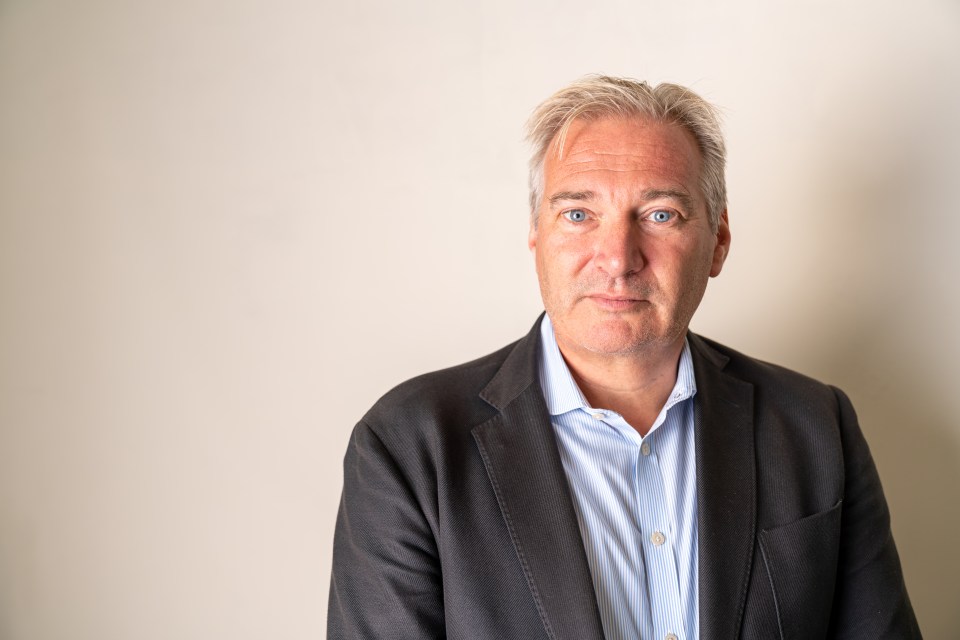
Buildings’ faults are usually, and thankfully, less noticeable. But they are still there, according to Gary Cottle, CEO of Metrikus, a data company that works to make buildings more efficient. “When Victorian buildings were built 150 years ago, it was all about ventilation”, he says. “And then in the 80s, 90s and 2000s it was all about vacuum packing us without realising the damage that causes to air quality.” He and Metrikus speak of “Sick Building Syndrome”, referring to the drowsiness and general sense of unease many of us feel in our places of work. This is often down to poor lighting and Carbon Dioxide levels being too high, he says.
Regulators are catching on to the importance of the built environment for employees and residents. Here in the UK, building regulations last year changed to make mechanical testing of a building’s ventilation mandatory in new builds. Regulators are also catching on to their importance for the environment as a whole. After all, heating and powering buildings account for an estimated 28 per cent of global carbon emissions, according to the World Green Building Council. In New York, Local Law 97 sets new efficiency requirements for buildings bigger than 25,000 square feet. The EU’s Energy Performance of Buildings Directive, issued in 2021, meanwhile stipulates that new builds and renovations need to leave buildings able to run almost without emitting any Carbon Dioxide at all. Metrikus is well placed to benefit from all this, says Cottle, because its software is the “Switzerland” of buildings management, able to work with all sorts of existing sensors and systems.
Cottle has had an interesting career. Formerly an investment banker, he held several senior positions at RBS during the Great Recession. Having seen “management run the place into the ground”, Cottle had had to take a trillion pounds off the bank’s balance sheet. “That’s a bit of an adventure. Not many people have done that”, he says. Having learned about technology and real estate over the course of his banking career, he spotted the promise of Metrikus’ software, buying the rights to it after the company behind its development fell into administration.
Can buildings management compare with the cut and thrust of banking? “Every day is great fun, the space is amazing”, says Cottle. The stakes could not be bigger, with Metrikus promising to address the E and S in ESG through making buildings more efficient and pleasant. The impact can be dramatic. Metrikus revealed to one client that it had been heating 17 floors for just one person who stopped to leave his bike in the office before going to the gym early in the morning. Such experiences are common. “If almost 90 per cent of buildings have their heating on for five hours too long, and their lights on till 10 o’clock at night when there’s no one in the building, you get a huge amount of value, up to almost 100 times in terms of your savings, versus the amount of money you’ve got to spend on technology”, he says.
Not everyone is convinced, however. Big savings seem smaller for some clients when they come with an upfront cost. “I think you’d almost say there’s a two-tier society”, says Cottle. Some clients think about, say, energy efficiency or indoor air quality from the get go, but others are more circumspect. “It splits into people who want to do something, who can justify the investment, because they know the savings are going to come. And they know they’re going to have healthier and more efficient buildings. But an awful lot of people, if they can avoid doing it and spending money, they will.” Luckily for Metrikus, and for the planet, regulation is increasingly forcing them to do so.