
Tall poppy syndrome? Why Britain needs to get over its hate of the BBC

Britain loves to hate its biggest success stories, but it needs to recognise its own strengths and stop copying others if it wants to go for growth, writes Will Cooling
David Cameron’s great insight was that the British public were never going to let the Tories came into power if they felt that that the party hated modern Britain. He went to great lengths to convey that he and his colleagues were comfortable with a society that had been transformed by New Labour.
Unfortunately, that insight has never been accepted by the many people who have tried to boost British productivity and performance by developing an industrial strategy. Time after time, politicians act as if these mysterious documents have the magical ability to transform Britain into the country they wished we were. Rather than build on our own unique strengths, they seek to ape whichever of our neighbours is not just most successful, but most virtuous. For the longest time Germany’s heavy investment in industry and technical education attracted much praise, but now that rising energy prices are exposing how German industry has fallen behind other countries, energy powerhouse Norway now catches the eye of the likes of Ed Miliband.
But even if Miliband was actually ever able to set up his sovereign wealth fund, such mimicry is doomed to fail. Not only was Norway’s fossil fuel windfall larger in absolute terms, but it was even larger relative to the size of the Norwegian economy, which even today is smaller than ours.
An industrial strategy that will generate growth for Britain would build on our own strengths, not cosplay as other nations. Uncomfortably for politicians, many of our strengths involve providing the type of services they typically enjoy demonising, including high-powered professionals providing legal or financial services to the global elite. And this is something of a growth market, as the embrace of teleworking during lockdown has made it easier to provide services across oceans than ever before.
But an industrial strategy that builds public consent to seize these opportunities has to think bigger than just empowering blue-chip firms to get more work overseas. It has to place at the centre of the country’s economic discourse a genuine commitment to attracting overseas sales and inward investment, rather than yearning for the return of heavy industry. And that means looking at some of the strengths that are being allowed to waste away.
Rishi Sunak’s tantrum last week over the Greek Prime Minister wanting his country’s lost marbles back obscured the fact that this government is currently in the process of wrecking London’s wider cultural scene. Starved of funding, cultural powerhouses are struggling to manage their collections and programmes, as the government uses the threat of bankruptcy to force them to leave London. Maybe moves such as the English National Opera relocating to Manchester will help broaden their reach across the nation, but equally they risk reducing the prestige of London as a global cultural hub.
Of course, the government’s latest moves are just the deepening of its hostility to the arts, despite the role they play in attracting tourism. The government’s reforms to both higher education and arts council funding have made it progressively harder for young people to enter cultural professions, making for an increasingly brittle and remote sector. Worse, the slow-motion implosion of universities continues to gather pace, with the government exacerbating the issue by making it harder to recruit international students.
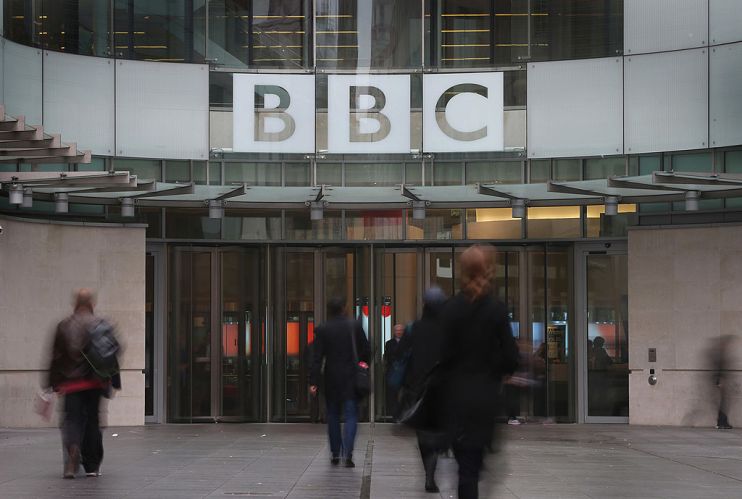
And then there’s the BBC, which for all its many faults is, thanks to the licence fee, a mighty backstop to the cultural life of the nation. It also attracts inward investment, working with overseas companies to secure international funding to co-produce shows on the scale of the newest version of Doctor Who. And yet rather than encourage the BBC to be bold and secure more funding for domestic production, either through partnerships or overseas sales, it constantly criticises and demands further cuts.
A government that was truly committed to growth would celebrate the BBC as well as other global leaders in not just arts and culture, but education, finance, law, and other key services. The cultural elite may feel no great affinity for the multinational service providers but together they are victims of that most British of failings; hating our own success.