
Stockpiling, sterling plunge, and demand slump consequences of no-deal Brexit warns Budget watchdog

The government’s independent budget watchdog today warned that a no-deal Brexit would likely prompt a wave of stockpiling, plunging asset prices and a slump in demand in the British economy.
The Office for Budget Responsibility (OBR), the body tasked with producing economic forecasts based on government policy, warned that increased barriers to trade will have large negative effects on economic growth and the government’s balance sheet.
The paper does not make specific forecasts about the scale of the disruption, but does reference the “Three-Day Week” of 1974 in which energy shortages caused a drop in GDP of just under three per cent in a single quarter.
Read more: UK banks risk being downgraded in no-deal Brexit situation
The government’s policy is to reach a deal with the EU securing a transitional period retaining most current trade arrangements from 29 March 2019 until the end of 2020, to give time for a longer-term trade deal to be agreed.
However, senior Conservative party politicians, from Prime Minister Theresa May to Brexit secretary Dominic Raab, have warned that “no deal” is still a realistic possibility after difficult talks. If no deal is agreed trade would default to World Trade Organisation (WTO) terms, generally considered by trade experts to be less favourable than the EU’s Single Market.
The OBR, whose forecasts are respected by independent economists, said that “the greater the barriers to trade and migration flows with the EU as a result of Brexit, the more adverse the prospective impact on the economy and the public finances” – although the government could “take advantage of new policy opportunities arising from Brexit” in the longer term.
Read more: British exports to EU to be 'cut in half' by hard Brexit
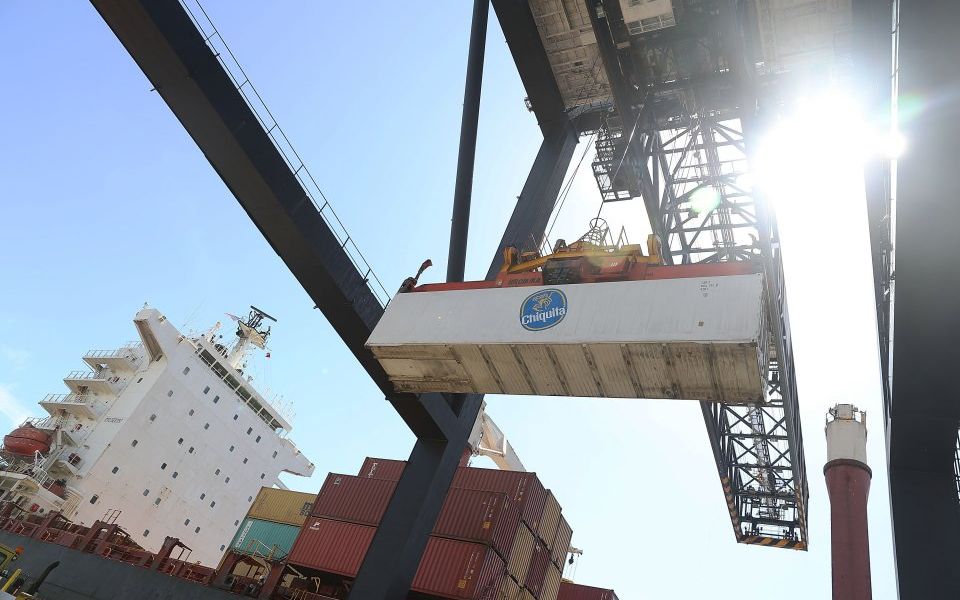
“A disorderly exit might well result in temporary constraints on the supply of some imported products and domestic goods that contain imported components,” the OBR said, in a discussion paper on its approach to forecasting ahead of the Budget on 29 October.
If disruption to goods imports is significant, Britons could be prompted to stockpile goods, adding to the chaos, the paper said. Asset prices, including sterling, would slump in a no-deal scenario adding further to inflation in prices on imported goods.
Under the WTO the UK would be legally obliged to either impose tariffs on imports from the EU or to unilaterally abolish all tariffs. If the UK and the EU could not agree to continue to recognise current rules, “all existing goods may need to be re-approved before sale and services trade would be severely restricted by the loss of market access”, the OBR said.
The report repeatedly highlights that the precise impacts of Brexit are highly uncertain, saying that “the ultimate timescale and content of the BrexIt policy process remain unknowable for the time being.”
Read more: Michel Barnier tells UK to abandon free trade plans to get Brexit deal