Skip to content
City PM
  • Germany
  • France
  • Europe
  • Markets
  • Business
  • Opinion
  • Germany
  • France
  • Europe
  • Markets
  • Business
  • Opinion
Thursday 14 November 2013 9:20 pm

Snapchat turns down $3bn offer from Facebook

By: Express KCS

Add as a preferred source on Google

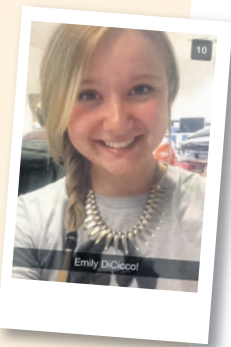
FOR THOSE under 25, the phrase, “Send me a snap!” needs no explanation. For those a little older, I’ll explain. Sending a “snap” means sending an image (most likely a selfie) to your friends using the app Snapchat. You can draw on the image or add a caption, and even decide how long friends can view the image – 10 seconds at the most – before it disappears forever.

While this idea may sound slightly pointless, and maybe even worthless, Facebook clearly doesn’t agree –  the social media network has reportedly offered to buy Snapchat for $3bn (£1.9bn).

Co-founders Evan Spiegel, 23, and Bobby Murphy, 25, two Stanford University dropouts, have turned it down. The pair created Snapchat in September 2011 with the idea for a more fun, ephemeral form of social media with moments that can be “shared, enjoyed, but not saved”.

“We believe in sharing authentic moments with friends. It’s not all about fancy vacations, sushi dinners, or beautiful sunsets. Sometimes it’s an inside joke, a silly face, or greetings from a pet fish. Sharing those moments should be fun,” the co-founders say. A year after its launch, 20m snaps were being shared daily. Today, that number has risen to 35m. Spiegel claims that the app is now on a quarter of all UK smartphones.
It’s even more popular in the US. Snapchat is the seventh most popular free app in the iTunes store, and according to the Pew Research Centre nine per cent of American mobile phone owners use it. Among 18 to 29 year-olds, that percentage is even higher, at 26 per cent. But, as is the case with Instagram and Twitter (despite its stellar market debut) popularity doesn’t necessarily mean profits. To date, Snapchat hasn’t made any revenues; it’s a totally free service and unlike Facebook and Twitter, it doesn’t even feature advertisements. Instead, the company relies on outside investors, which include General Catalyst, Benchmark Capital, Lightspeed Venture Partners, and SV Angel. In a Series B funding round last June, Snapchat raised more than $60m from investors, valuing it at more than $800m.

As for that potential revenue, Spiegel revealed in a BBC interview yesterday that the company plans to add services to the app that users would have to pay for. He admitted that Facebook and Twitter users are not used to paying for content, but claimed people don’t want to pay for these social media platforms because they are viewed as utilities. Snapchat on the other hand, he explained, is entertainment and “people will pay a lot for entertainment”.

Time will tell if Spiegel’s revenue model will pan out – and if rebuffing Facebook’s multi-billion bid was the right move – but with other offers rumoured to be on the table, he’s unlikely to be friendless for long.

Emily DiCicco (snapchatted above) is an undergraduate at Temple University, Philadelphia

Share this article

  • Facebook
  • X
  • LinkedIn
  • WhatsApp
  • Email

Similarly tagged content:

Sections

  • News

Categories

  • Business

Related Topics

  • Snapchat

Trending Articles

  • Revealed: Secret Treasury plan to tax State Pension before it is paid out

  • Burnham’s new chief of staff ran City firm advising Thames Water and rival Heathrow bidder

  • Two solicitors linked to Post Office scandal charged with misconduct

  • Barclays and Lloyds join banking sector plan for digital ID

  • Reeves’ new tax charge on cash ISAs faces fierce industry backlash

More from City PM

  • Social media ban may push children to ‘darker corners of the internet,’ lawyers warn

    Legal
    Australia's policy, which came into force in December and bars children under 16 from major platforms including Tiktok, Instagram, Snapchat and X.
  • VPN demand rockets as UK prepares for under-16 social media ban

    Tech
    Getty Images logo on a digital screen, symbolizing media and photography industry presence in news and business contexts
  • Musk brands UK a ‘police state’ as Big Tech rebels against Starmer’s social media ban

    Tech
    Getty Images logo on a digital screen, symbolizing media and photography industry presence in news and business contexts
  • ‘Protecting children is right’: Starmer takes on Big Tech with social media ban for under-16s

    Politics
    Keir Starmer speaks in Downing Street
  • Tiktok falls under ban just as brands ramp up ad spend

    Tech
    Tiktok appeals to overturn US ban in a broader battle for tech regulation
  • The Debate: Should the resignation of the Prime Minister trigger a general election?

    Opinion
    Keir Starmer announces resignation at podium, addressing media with serious expression against a backdrop of political ban...
  • ‘Nobody’s getting a free pass’: Starmer warns Big Tech as social media ban looms

    Tech
    Prime Minister Keir Starmer addressing media at a press conference podium, discussing current governmental policies and in...
  • Children as young as 14 are being targeted by unregulated gambling firms on social media

    Sport Business
    Unfortunately, without additional context from the article or details about what the image depicts, it is challenging to g...

City PM — European politics, business and analysis.

Europe

  • Germany
  • France
  • Europe
  • UK & Ireland

Topics

  • Business
  • Markets
  • AI
  • Technology
  • Opinion
  • Energy

More

  • Politics
  • Economics
  • Fintech
  • Legal
  • Sport
  • Life

Company

  • About City PM
  • Contact
  • Terms of Use
  • Privacy Policy
  • Cookie Policy
© 2026 City PM. All rights reserved.
About · Contact · Terms · Privacy