Skip to content
City PM
  • Germany
  • France
  • Europe
  • Markets
  • Business
  • Opinion
  • Germany
  • France
  • Europe
  • Markets
  • Business
  • Opinion
Thursday 18 June 2020 4:58 pm

Railway bailout has cost £3.5bn so far, government reveals

By: Edward Thicknesse

Add as a preferred source on Google
Commuters are facing the prospect of a New Year's hike in rail fares as the cost of a multi-billion pound bailout of the country's railways begins to be felt.
Aslef has called for a strike at the end of June.

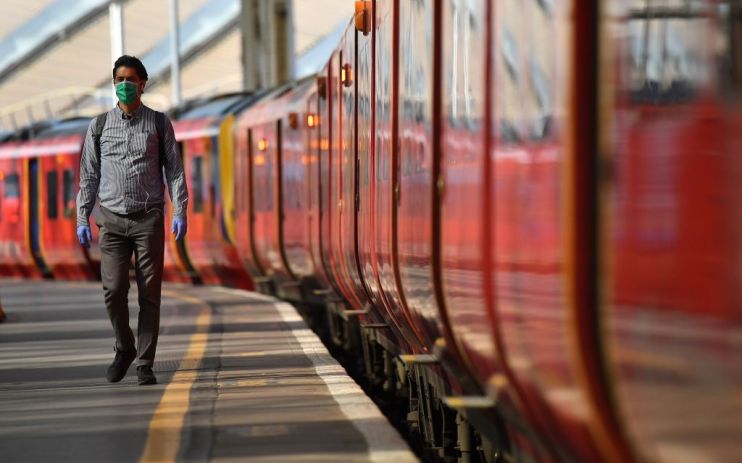
The UK government has thus far spent £3.5bn keeping its railways running during the coronavirus pandemic, it has been revealed.

Responding to a parliamentary written question, rail minister Chris Heaton-Harris said: ‘Since the outbreak of Covid-19 the government has approved £3.5bn of additional expenditure to ensure that vital rail services continue to operate. 

“Of this additional expenditure, £2.9bn relates to the 2020/21 financial year. It is not yet possible to provide an estimate of the total cost incurred to date”.

In total, the Department for Transport has drawn £7bn worth of cash from the government’s contingencies fund to cover the coronavirus epidemic, transport secretary Grant Shapps announced today.

On 23 March the government took the country’s rail franchises under emergency measures for six months in order to keep services running as passenger numbers plummeted 96 per cent.

Under the measures, the operators are receiving a management fee worth up to two per cent of their franchise’s cost base, which will be paid after the initial six months has elapsed.

Heaton-Harris added that the government had not yet made a decision about what will happen when the initial six month period elapses in September.

He said: ‘Work is underway within the government to determine the most effective approach at the end of the initial six months period of the Emergency Measures Agreements. 

“This work will take account of the impact of Covid-19 on demand for passenger rail travel in both the short and long term, and the associated economic and financial impacts on the railway”.

Read more

The UK chemicals sector is in trouble

Lush green fields and livestock on a British farm under clear blue skies, showcasing agriculture in the United Kingdom.

It has been suggested that the government will have to keep propping up the UK’s rail firms beyond the initial six month period as passenger numbers are likely to remain low for some time to come.

Under the current social distancing guidelines of two metres, trains can only carry 15 per cent of their normal passenger capacity.

Should it be eased to one metre, as many across the economy have urged, passenger numbers will be able to rise to about 45 per cent of their normal amount, it is estimated. 

The government’s decision to take the UK’s railways into – albeit temporary – public control has raised questions about the future of the franchising system.

Before the coronavirus struck, former chairman of British Airways Keith Williams was conducting a “root and branch” review of the current system ahead of long-expected overhaul.

The review’s finding had been expected to be published before parliament’s summer recess, but it remains unclear whether this will be the case due to the coronavirus.

Industry sources have said that the decision to have the government pay private firms a fee in exchange for running the services was in line with their expectations for the review’s findings.

Read more

Space X to allow British investors to buy into blockbuster IPO  

Elon Musk's SpaceX IPO

Share this article

  • Facebook
  • X
  • LinkedIn
  • WhatsApp
  • Email

Similarly tagged content:

Sections

  • News

Categories

  • Transport & Infrastructure

Related Topics

  • Railways

Trending Articles

  • Revealed: Secret Treasury plan to tax State Pension before it is paid out

  • Two solicitors linked to Post Office scandal charged with misconduct

  • Burnham’s new chief of staff ran City firm advising Thames Water and rival Heathrow bidder

  • Barclays and Lloyds join banking sector plan for digital ID

  • Clarkson’s Farm and why businesses must stop blaming the weather

More from City PM

  • The UK chemicals sector is in trouble

    Opinion
    Lush green fields and livestock on a British farm under clear blue skies, showcasing agriculture in the United Kingdom.
  • Space X to allow British investors to buy into blockbuster IPO  

    Investing
    Elon Musk's SpaceX IPO
  • Steel tariffs watered down after industry backlash

    Industrials
    Britains steel industry facing challenges with potential shutdowns and job losses, highlighting economic impact.
  • Manchester United debt pile may force owners to fund new stadium

    Sport Business
    Breaking news conference with diverse group of professionals discussing current global economic trends and financial strat...
  • ‘Dire’: Rapid decline in construction as sector slashes jobs

    Economics
    Construction workers building a residential complex, symbolizing Labours push for renters rights legislation
  • Five graphs that reveal Burnham’s fiscal headache

    Politics
    Burnham smiling broadly at a community event, surrounded by enthusiastic supporters, conveying a sense of positivity and u...
  • Universal reveals £133m investment in Bedford theme park

    Media
    Rachel Reeves and Comcast
  • Babcock predicts global government defence spending spree after hit to profit

    Investing
    Babcock is a member of the FTSE 100.

City PM — European politics, business and analysis.

Europe

  • Germany
  • France
  • Europe
  • UK & Ireland

Topics

  • Business
  • Markets
  • AI
  • Technology
  • Opinion
  • Energy

More

  • Politics
  • Economics
  • Fintech
  • Legal
  • Sport
  • Life

Company

  • About City PM
  • Editorial Policy
  • Corrections
  • Contact
  • Terms of Use
  • Privacy Policy
  • Cookie Policy
© 2026 City PM · Published by CityPM Media, Bahnhofstrasse 65, 8001 Zürich, Switzerland
About · Editorial Policy · Corrections · Contact · Privacy