
From prison cells to helter-skelters

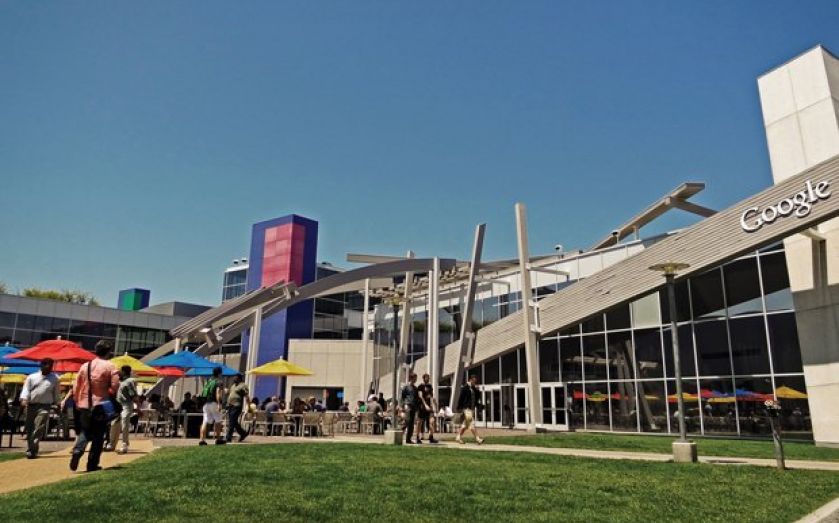
Office design has come a long way since the days of windowless boxes
THERE’S a point, around half way through university, when all the conscientious students put down their pints of lager, cease their earnest conversations about Middle-Eastern geo-politics and begin applying for jobs. My housemate was one of those students. Concerned at my relative apathy and aware that I had a vague interest in doing something “creative”, he pushed in my direction an application for a graduate scheme at one of the top advertising agencies. The form was fun, with all kinds of kooky questions (dream dinner party, any hidden talents… etc) and somehow, despite a total ignorance of all things advertising, I managed to get an interview.
It being a job interview, I turned up in a suit and tie. Because that’s what you do at job interviews, right? Wrong. It may have been a job interview, but this was no ordinary job. Here, sculptures by upstart YBAs dangled from the ceiling as pointy-shoed employees skipped from one end of the open plan office to the other. If a wall wasn’t glass it was covered in paintings or big black panels emblazoned with slogans and outside-the-box buzzwords. To top it off, the floor was astroturf, which had the effect of generating static on the bottom of my shoes and charging my entire body. When I was ushered into the glass box that was the venue of my interview, I got the biggest static electric shock of my adult life.
I blame the shock for my performance in the interview. My brain was so frazzled, I like to tell myself, that when asked if there were any campaigns that had recently caught my eye, all I could think of was Lurpak spreadable. In this hive of slick media types I managed to steer the conversation round to… butter. Guess what: I didn’t get the job.
The modern workplace is changing, and I found out the hard way. No longer do suited workers beaver away silently in cell-like boxes. Even the chair is under threat from an invading force of beanbags. “It’s a lot less formal than it used to be,” says Richard Kauntze, chief executive of the British Council of Offices. “I think it’s a result of living in a less formal society, which is probably a good thing. Offices used to be very stuffy and hierarchical. In the civil service for example, status was governed by the size of the office and desk and the quality of the carpet. Now offices tend to be more open plan. Cellular offices still have their place but space tends to be more flexible these days.”
Many predicted the internet would spell the decline of the office as the setting for professional activity, but this hasn’t been the case, says Kauntze. “If you’ve got an iPhone or an iPad or a Blackberry, you can work from the sofa at home. This means it’s the meeting people and talking to people that now makes work interesting.” In other words, although we may be able to fire off emails from wherever, it’s only in an office that we can directly communicate and cooperate with our colleagues. Hence the emphasis on openness in contemporary office design.
Openness is one thing – skateboards, basketballs and helter-skelter slides are another. From the Googleplex to Pixar Animation Studios, tech companies have accelerated the fashion for out-there office designs intended to “inspire creativity”. Facebook’s New York headquarters is filled with taxidermy, board-game stations and graffiti-covered walls upon which employees are encouraged to scrawl. But can the design of an office really make people more creative? Kauntze is unsure. “I haven’t seen any evidence to suggest that it does. I think it’s more of a fashion.” Kooky workspaces are as much about branding as they are about creating an environment conducive to a happy, productive workforce. They help make a company seem innovative, even if they don’t make employees more creative in any measurable way. “The important thing for employees is that a workplace has to be an environment that absolutely meets the needs of the business and facilitates what the business wants to do and where it wants to go in terms of its ambition and growth.”
For most big companies this means more flexible working areas. As Kauntze says, “the biggest future trend will be more social space to allow for interaction and serendipity – the opportunity of the chance meeting, the spark that might happen when people meet. Facilitating that will be enormously important.”
How will advances in technology affect future workspaces? “The rise of wireless technology will make a very big difference. In a wireless environment you can create an office in a way that just wouldn’t have been possible a few years ago and you don’t need all the cooling that comes with masses of cabling and computers. Previously uneconomic space will become usable.”
So, the future is bright for unconventional office space. Great news – as long as there’s no astroturf.