
Onshore wind set for revival as backbench pressure weighs on Government


The seven year de-facto ban on new onshore wind projects could finally be lifted, with a leading cabinet member suggesting the Government could give way to growing backbench pressure.
Business Secretary Grant Shapps hinted at a possible U-turn from Downing Street earlier today, when he confirmed to Sky News there would be more onshore wind projects “where communities are in favour of it.”
He said: “There will be more, over time, particularly where communities are in favour of it. That is, I think, the key test of onshore wind – is it of benefit to communities locally? That has always been the principle for us, for quite some time now.”
Such a pledge would require the end of planning rules established under former Prime Minister David Cameron, indicating the Government will concede to a Tory MP rebellion.
Since entering Downing Street last month, Prime Minister Rishi Sunak has failed to clarify if he was prepared to back his predecessor’s push to liberalise planning rules around domestic turbines.
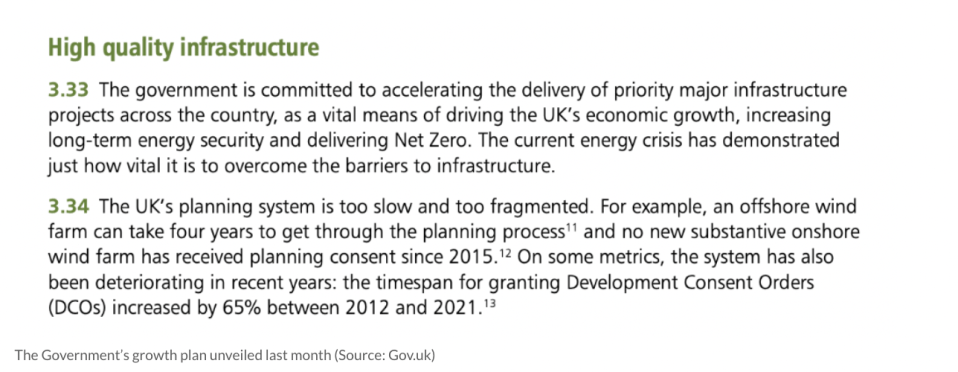
Liz Truss wanted to bring onshore wind planning rules into line with other existing infrastructure projects as part of her ‘Growth Plan’.
Although Shapps insisted that his comments were “exactly what we’ve [Sunak] said all along.”
However, Sunak took a much more hostile view of onshore wind during the leadership campaign this summer.
He promised to scrap plans to relax onshore wind developments and also wanted to prioritise rooftop solar over panels on farmland.
Writing in The Telegraph, Sunak said: “Wind energy will be an important part of our strategy, but I want to reassure communities that as Prime Minister I would scrap plans to relax the ban on onshore wind in England, instead focusing on building more turbines offshore.”
He has also re-imposed the moratorium on fracking, in line with the 2019 manifesto.
City PM has approached the Government for comment.
Sunak faces growing backbench pressure
Former Liz Truss cabinet member Simon Clarke tabled an amendment last week to the Levelling Up Bill to allow new onshore wind projects in England.
The amendment has gained the support of around 30 MPs including former Prime Ministers Boris Johnson and Truss, and reportedly has the backing of serving frontbencher Michael Gove.
It has also been supported by the Labour Party, which have vowed to remove planning restrictions for onshore wind if they come to power.
Clarke told City A.M the amendment would boost the UK’s supply security following Russia’s invasion of Ukraine and help the country meet its climate goals.
He said: “Onshore wind is popular with the public, cuts energy bills and reduces carbon emissions. Whitehall shouldn’t be a blockage on cheap, clean energy, but enable it where there is community support.
“There is support for lifting the ban on onshore wind from all parts of the Conservative parliamentary party. It goes with the grain of government policy, supporting our energy security and net zero strategies.”
Commenting on the proposal, fellow Tory MP Richard Graham added: “Current rules mean just one or two objections are an effective veto. So that’s why I support this small, cost-free and useful amendment to allow more of this clean and popular source of power – where local consent is given.”
Despite the growing baclbench support, energy policy and planning remain highly contentious issues for the Tories, even with their commanding majority in the House of Commons.
The amendment was expected to be voted on last week, but Downing Street pulled the vote following a rival rebellion over housing targets and building projects.
An amendment led by the former cabinet minister Theresa Villiers – supported by more than 50 Tory MPs – aimed to scrap local housing targets, scuppering the bill.
While it is unclear when there will now be a vote, Shapps’ words suggest the Government’s position has evolved.
Onshore wind stuck in development hell
Since 2015, as part of former Prime Minister David Cameron’s push to remove ‘green crap’ from Tory policy, onshore wind development has faced a series of planning hurdles which vastly reduced development across the UK.
This means wind farms have required consent for developments to go ahead – with sites needing to be approved in plans established by residents with local authorities across England.
Developers also have to show that the proposal is located in area designated for renewable energy in a local plan.
These requirements have empowered local authorities to make decisions over what gets built in their own communities, but at the cost of onshore wind generation, which has since stagnated.
Currently, only 11 per cent of local authorities across England have designated areas for renewable developments in their plans, according to Dr Rebecca Windemer at the University of the West of England.
Her research reveals the maximum installed capacity of wind farms (in MW) granted planning permission between 2016-2021 is just 2.6 per cent of those granted permission between 2009-2014.
Clarke’s amendment would oblige the government to change planning rules within six months to allow new projects.
Jack Richardson, climate spokesperson for the Conservative Environment Network said: “It makes no sense to keep a ban on onshore wind. It’s cheap, clean, and can help to shield British households from the volatile gas market which is wreaking havoc on households’ and the nation’s finances.
“The ban was an overcorrection in the first place. We should take a more balanced approach which will, quite literally, give power back to communities.”
Onshore wind needs planning reforms
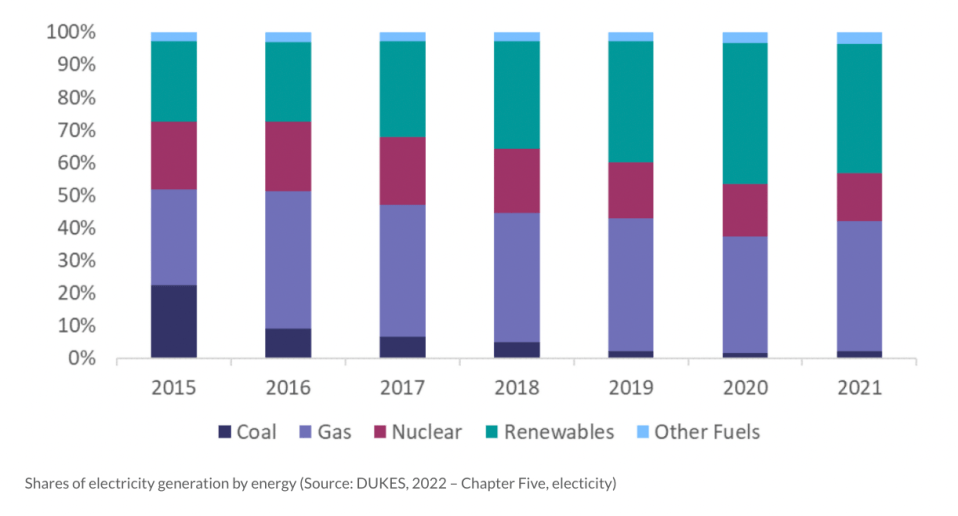
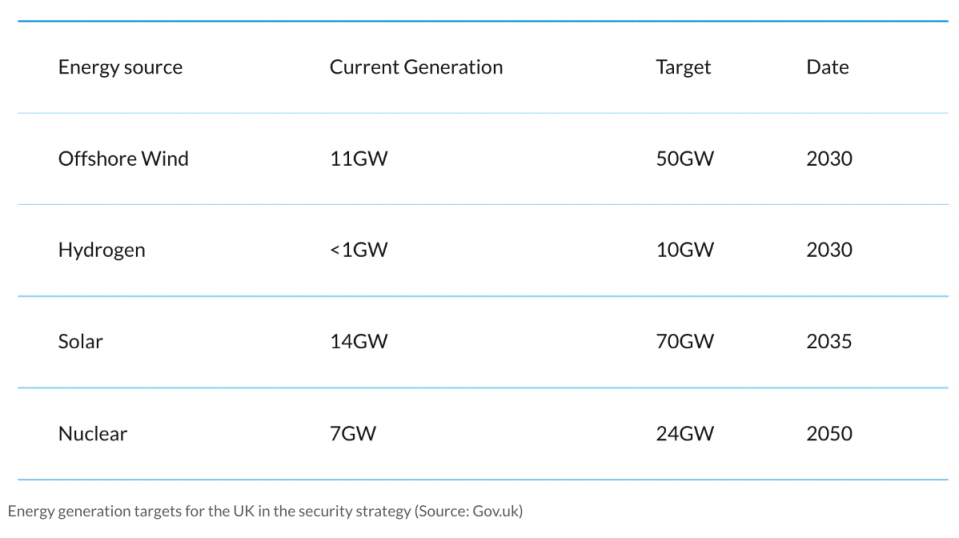
The Government unveiled generation targets for offshore wind, nuclear, solar and hydrogen as part of its energy security strategy in April.
Downing Street is seeking to boost domestic energy generation to reduce the UK’s reliance on overseas suppliers following Russia’s invasion of Ukraine.
This would drive down prices and emissions and ensure the country’s energy independence.
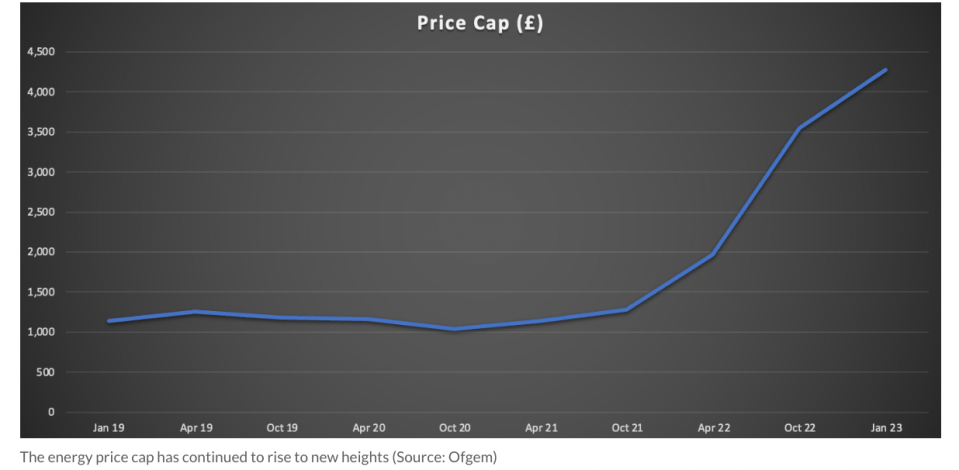
Households are currently suffering record energy prices, which have risen to £2,500 per year even with the vast subsidies provided in the Energy Price Guarantee.
However, it has failed to include onshore wind targets – despite pressure at the time from then Business Secretary Kwasi Kwarteng.
Octopus Energy has tried to work within existing restrictive planning rules by encouraging commuinities to back new projects in exchange for cheaper bills as part of its fan club.
The company’s match-making platform for wind energy, Winder, has revealed 2.3 GW of potential new British onshore wind energy that could be built where people support it.
Developing all this new onshore wind energy would be the equivalent of building a large nuclear power station.
It would provide enough home-grown, cheap, green energy for 1.85 million homes – the combined population size of Birmingham and Manchester.
Zoisa North-Bond, chief executive of Octopus Energy Generation warned this potential would only be met with serious planning reform.
She said: “The current system means it takes seven years on average to build and connect a new onshore wind turbine – but it’s possible to build it in a year. Winder shows we can massively speed up this process and make a difference by next winter. It’s possible to build more wind turbines where people want them, helping to end our fossil fuel reliance, lower energy bills and unleash economic growth.”