
Oil crisis: The answer isn’t panic, it’s power

To be resilient to global shocks, Britain needs an era of energy abundance – and that means generating far more power at home and having the infrastructure to connect it, says Stuart George
Every time the oil price spikes, the same uncomfortable truth returns: Britain is still far too exposed to energy markets we don’t control.
Oil may feel like yesterday’s fuel in a net-zero world, but its price still ripples through everything – transport, food, manufacturing, heating and the cost of living. When global prices surge, British households and businesses feel it almost immediately.
The lesson should be obvious by now. The UK cannot build a competitive economy, or a stable cost of living, while relying on volatile international energy markets. The answer isn’t simply to manage the crisis. It’s to build our way out of it.
Britain needs an era of energy abundance – and that means generating far more power at home.
The good news is that the UK is extraordinarily well placed to do so. Few countries in the world have our natural advantages: world-class offshore wind resources, strong onshore wind potential, growing solar capacity and emerging technologies that can turn Britain into a clean energy powerhouse.
But having the resource is not the same as harnessing it.
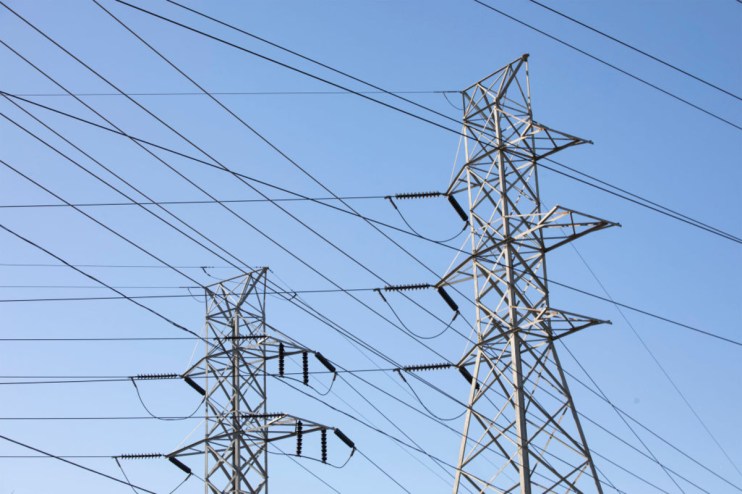
Across the UK, energy developers are ready to build new generation. Projects are planned. Capital is available. The technology is proven. Yet the system designed to deliver power to homes and businesses – our electricity grid – is struggling to keep up.
In some parts of the country, renewable projects face connection delays stretching many years into the future. Power can be generated, but it cannot always be delivered to where it is needed.
The result is a strange paradox: Britain is trying to electrify its economy – from vehicles to heating to industry – while the infrastructure needed to move electricity around the country is lagging badly behind.
That is more than an engineering problem. It is becoming an economic one.
Cheap, plentiful electricity will increasingly determine where businesses invest, where new industries grow and where technological breakthroughs happen. Nowhere is this clearer than in the race to develop artificial intelligence. The data centres that power AI require vast quantities of electricity. Countries that can supply abundant, affordable power will have a decisive advantage.
Energy is becoming the infrastructure of the digital economy.
For Britain, that means the energy transition is not just about climate targets. It is about economic competitiveness.
If we want to lead in technologies like AI, advanced manufacturing and green industry, we must ensure businesses can access reliable, low-cost electricity. That will only happen if we accelerate the development of domestic generation and the networks that connect it.
This requires a shift in mindset.
From scarcity to abundance
For years the national conversation around energy has focused on scarcity: cutting demand, rationing supply, managing risk. But the economies that will thrive in the coming decades will be those that build abundance.
The UK should be aiming to produce far more electricity than it does today – clean, domestic power that shields households and businesses from global energy shocks.
That means building wind farms, solar capacity and storage. But just as importantly, it means building the grid that connects them.
New transmission lines are rarely popular. They can take years to navigate planning processes and local opposition. Yet without them, the clean energy projects Britain needs will remain stranded, unable to deliver power where it is needed.
The uncomfortable reality is that the energy transition cannot happen without infrastructure.
If rising oil prices remind us of anything, it should be this: energy security ultimately comes from what we can produce ourselves.
Energy security ultimately comes from what we can produce ourselves
Britain has the resources, the technology and the investment appetite to transform its energy system. What we now need is the urgency to match.
Because the next time oil prices surge – and they will – the most effective protection for British households and businesses will not come from global markets.
It will come from power generated here at home, flowing through a grid built for the future.
Stuart George is CEO of Green Gen Cymru