Skip to content
City PM
  • Germany
  • France
  • Europe
  • Markets
  • Business
  • Opinion
  • DE
  • Germany
  • France
  • Europe
  • Markets
  • Business
  • Opinion
  • DE
Thursday 21 August 2014 4:01 pm  |  Updated:  Friday 07 June 2019 5:56 am

As Nobel laureates slam Eurozone policy, will historians “tar and feather” its central bank?

By: Jennifer McKeown

Add as a preferred source on Google

Jennifer McKeown, senior European economist at Capital Economics, says Yes.

With the Eurozone’s feeble recovery grinding to a halt, and inflation dangerously close to zero, there is a clear case for the European Central Bank (ECB) to do all it can to stimulate the economy.

Policies announced in June to offer more liquidity to banks and encourage them to lend will have a modest effect at best, as banks remain risk averse and firms and households are reluctant to borrow.

The ECB should undertake large, widespread asset purchases to force borrowing costs down, boost confidence and encourage a sharper depreciation of the euro to help exporters.

The ECB’s persistent calls for structural reform may be correct, but the effects of such policies will take years if not decades to materialise.

In the meantime, fiscal austerity is crippling many of the region’s economies.

The Eurozone needs a strong boost to demand. If the ECB fails to act, it will rightly be remembered as the central bank that overlooked the region’s slide into a deflationary spiral.

Christian Schulz, senior economist at Berenberg, says No.

Europe’s central bankers have broadly delivered what they are paid to do.

The European Central Bank (ECB) has come close to hitting its target, with average inflation slightly above target before the crisis, and at 1.7 per cent since.

The Bank of England’s efforts were thwarted by sterling depreciation, but inflation is back under control here.

Both central banks prevented a liquidity meltdown, and the ECB defused a vicious sovereign bond crisis by stepping up as the lender of resort in 2012.

Errors were made: the ECB could have nipped the bond market panic at the bud in 2010. More aggressive easing might have accelerated the recovery from the crisis since 2012.

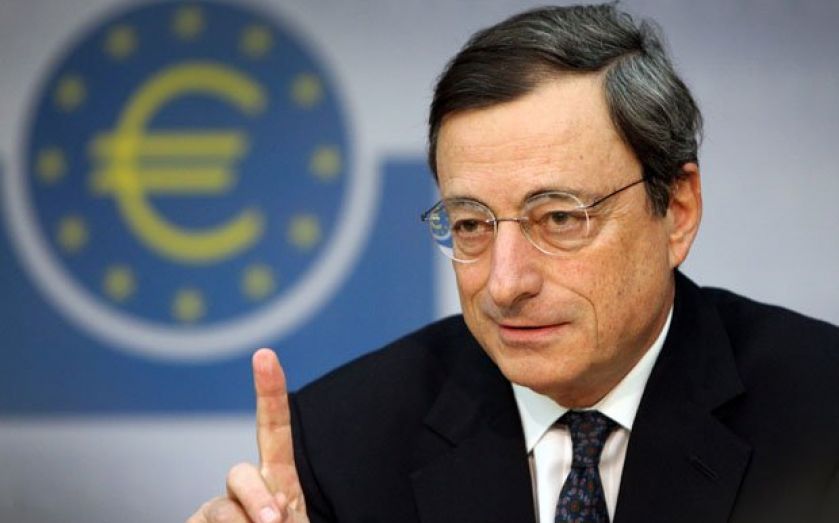
But with 18 independent finance ministers facing them, Mario Draghi and co also had to get the incentives right.

By demanding reforms first before easing policy, the ECB triggered a wave of reform in the periphery and in Eurozone governance that could transform its long-term growth outlook.

Share this article

  • Facebook
  • X
  • LinkedIn
  • WhatsApp
  • Email

Similarly tagged content:

Sections

  • Opinion

Categories

  • Opinion

Related Topics

  • Eurozone

Trending Articles

  • Nottingham Forest owner Marinakis announces £210m stadium plans

  • Harry Styles at Wembley Stadium review: running through the grief

  • I’ve taken the best train trips in the world. Here are my 5 favourites

  • Nothing fails to file accounts months after dissolution threat

  • Burnham tax plans spark investor rush to bank capital gains

More from City PM

  • Revolut faced orders to fix ‘deficiencies’ in product launches in Europe

    Fintech
    Revolut London office glass facade with prominent R logo reflecting cityscape, highlighting modern fintech design
  • Are we about to see one of the biggest shifts in monetary policy since the financial crisis?

    Opinion
  • Record number of central banks plan to increase gold holdings amid global volatility

    Investing
    Investors have been piling into gold for several reasons (Photo by Chris McGrath/Getty Images)
  • Mining boss: Platinum to become a central bank reserve asset

    Mining
    Platinum bars stacked in a vault, illustrating the surge in platinum prices as they doubled in 2025.
  • Bank of England’s Bailey defends bond sale programme

    Economics
    Governor Andrew Bailey has launched a defence of the Federal Reserve's independence.
  • Natwest boss becomes latest City figure caught in AI social media scam

    Banking
    NatWest building exterior with logo, highlighting corporate presence and architecture on a business news website.
  • ‘Political point-scoring’ over bank rules risks investment exodus, top Nomura exec warns

    Banking
    Ordinary workers are likely to be hit hardest by salary sacrifice changes
  • Icon Solutions Showcases How Banks Can Accelerate Digital Asset Innovation with IPF

    Business Wire

City PM — European politics, business and analysis.

Europe

  • Germany
  • France
  • Europe
  • UK & Ireland

Topics

  • Business
  • Markets
  • AI
  • Technology
  • Opinion
  • Energy

More

  • Politics
  • Economics
  • Fintech
  • Legal
  • Sport
  • Life

Company

  • About City PM
  • Editorial Policy
  • Corrections
  • Contact
  • Terms of Use
  • Privacy Policy
  • Cookie Policy
© 2026 City PM · Published by CityPM Media, Bahnhofstrasse 65, 8001 Zürich, Switzerland
About · Editorial Policy · Corrections · Contact · Privacy