

No royal rally can change Britain’s harsh economic realities

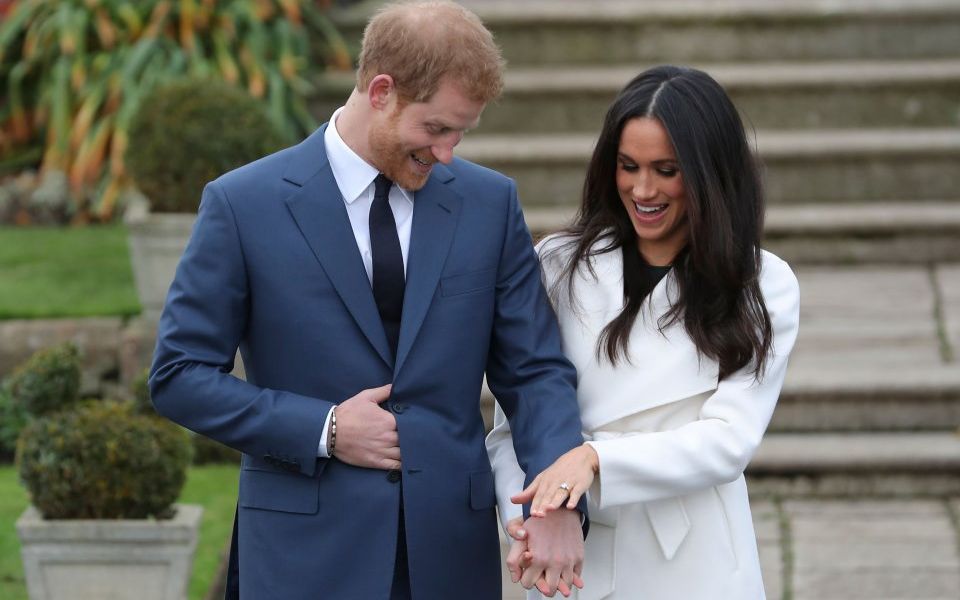
What a difference 24 hours makes. Monday morning’s headlines in Britain were dominated by the familiar themes of Brexit-inspired political tension and economic listlessness – yet by Tuesday morning Brexit was briefly forgotten as the nation digested the news of a royal engagement.
The Daily Mail’s coverage was typically low-key, with readers treated to a 24-page pullout detailing the romance of Prince Harry and his fianceé, the American actress Meghan Markle.
Such saturation media coverage gives a good indicator of what lies ahead, with Britain now expecting both a royal wedding and the arrival of another royal baby, courtesy of the Duke and Duchess of Cambridge.
While in the short-term such events can provide a welcome distraction from the grim cycle of Brexit uncertainty and faltering growth, assessing their economic impact is less clear cut.
Optimists would have you believe the prospect of a royal wedding – and all the associated razzmatazz – will boost both tourism and retail sales. With Prince Harry marrying a US citizen, there’s a good chance that hordes of Ms Markle’s compatriots will descend on Britain to take advantage of Sterling’s weakness against the Dollar.
But, judging by the last royal wedding in 2011, that’s where the economic benefit will stop.
The three months from April to June 2011, which saw the wedding of Prince William to Kate Middleton – now, of course, the Duke and Duchess of Cambridge – appeared to actually cost the economy, despite the increase in tourism and wave of patriotism that swept the nation.
According to official figures, the UK economy slowed from growth of 0.5% in the first quarter to 0.2% in the second.
The expected royal wedding feel-good factor was somewhat undone; first by a tsunami in Japan, second by the output lost to an additional bank holiday granted to celebrate the wedding and third by rain — lots of it.
Natural disasters aside, one of the reasons we may not be getting a bank holiday for this royal marriage – despite the apparent calls from the Prime Minister’s own MPs for one – is the cost to an already fragile economy that’s forecast to grow by no more than 1.4% next year.
Each bank holiday is estimated to cost the economy around £2.3 billion on average, while the extra bank holiday in 2011 was estimated to cost £5 billion because of the timing – Easter fell the weekend before the royal wedding and the May bank holiday the week after, so many people took advantage of the extra days available to them and booked all three weeks off work.
So while the royal wedding may be a welcome distraction from other events next May – most predictably the fallout of Brexit negotiations – it is unlikely to give the economy the shot in the arm it undoubtedly needs.
One 2012 estimate from PricewaterhouseCoopers suggested the 2011 royal wedding benefited the economy to the tune of just £107 million.
Countering the impact of the royal wedding, however, is the prospect of a third baby for the Duke and Duchess of Cambridge. Official data shows Gross Domestic Product (GDP) always climbs in the quarters that coincide with a royal birth.
That said, the birth of Prince George was estimated by the Centre for Retail Research to have increased retail sales by only £243 million – a tiny sum considering Britain’s GDP is more than £1.8 trillion, so perhaps we shouldn’t get too excited.
And while there will almost certainly be wall to wall media coverage of the preparations for the royal wedding and royal birth between now and May, soon after everyone will have to get back to business.
Brexit’s confidence-sapping shadow will continue to hang over the economy, even if the royal wedding temporarily pushes it out of the spotlight.
For those still opposed to Britain leaving the European Union, both the royal birth and the royal wedding present a headache. The wave of patriotism that will sweep the nation next Spring may make the British public think they can achieve anything. Even Brexit.