
NHS plan won’t come close to getting Britain’s sick back to work

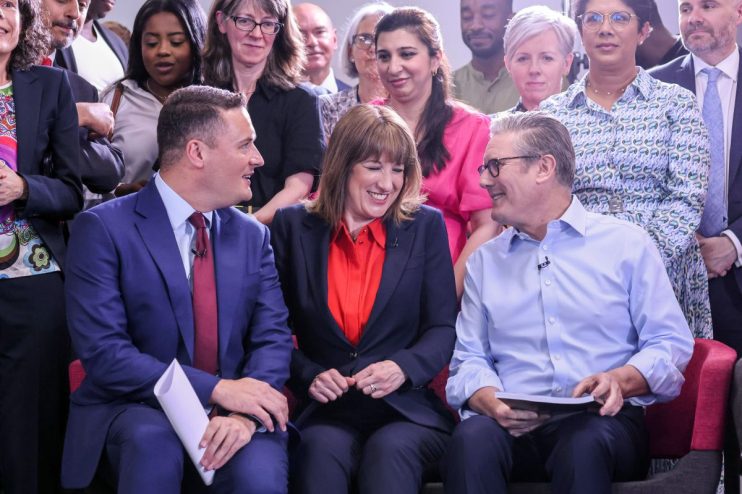
Good health is good business, and Britain is painfully unwell. Starmer’s 10-year NHS plan just won’t cut it, writes Lord James Bethell
Britain’s Workforce Crisis: A Wake-Up Call for Business and Government
Keir Starmer and Wes Streeting are promising a digital revolution, a pivot to prevention and a healthier nation. These are laudable goals; I promised the same when I was a minister for health. But for those of us struggling to keep British businesses thriving, the plan misses a critical truth: Britain is facing a workforce health crisis that is quietly throttling our productivity, competitiveness and growth. And the government’s plan doesn’t come close to “turning the supertanker” of our national sickness disaster.
The impact of disease on our human capital is stark. In 2024, we lost 148.9m working days to sickness or injury. That’s the equivalent of every full-time employee being off for nearly a week. The sickness absence rate remains stubbornly above pre-pandemic levels, with mental health and musculoskeletal issues leading the charge. A third of UK businesses are short-staffed.
This isn’t just a skills gap, it’s a health gap.
Cancelled flights, lunches and sick days
Ask any recruiter in the Square Mile: the talent pool is shrinking not just because of a lack of qualifications, but because too many candidates are simply too unwell to work.
As Novo Constare of Indeed Flex put it: “Employers are fighting hard to fill vacancies, but many are forced to leave gaps in their rotas. This reduces productivity and leads to burnout.”
All parts of the economy are at a hit. Staff sickness contributed to the cancellation of lunch bookings at the Pied a Terre, a Michelin-starred City favourite. Easyjet flights to Gatwick were cancelled when air traffic control provider Air Navigation Solutions faced “a series of isolated cases of short-notice sickness”. A fintech startup in Shoreditch lost two top developers to chronic stress and long Covid. A logistics firm in the Midlands saw morale collapse after a flu outbreak left healthy staff picking up the slack.
While the UK’s average of 5.8 sick days per worker may seem low, it masks a deeper problem: presenteeism. Too many employees are working through illness out of fear or guilt, prolonging recovery and spreading illness. Mark Dewell of Mitrefinch put it bluntly: “Over a third of UK workers admit to working while unwell. That’s a serious cause for concern.”
How the NHS can support a healthy workforce
So what do business leaders want from the NHS? Clarity. Urgency. Partnership.
Anna Leach of the Institute of Directors is right: we need a business environment that supports investment in our human capital. That means tax and regulatory reform. That means a national strategy for workforce health.
The NHS plan’s focus on digital tools and prevention is welcome, but it lacks the scale and ambition needed. There’s no new funding for workplace health programmes, no incentives for employers to invest in wellbeing and no real plan to reduce sickness absence.
We need to make workforce health a national economic priority.
That means:
- Tax breaks and grants for business-led health initiatives
- Clear targets for reducing sickness absence
- Real partnerships between the government, the NHS and employers
- Investment in mental health and musculoskeletal support – the two biggest drivers of long-term absence
As Paul Drechsler of Wates Group said: “Good health IS good business.” Steve Flanagan of Bupa agrees: “Improving employee wellbeing boosts morale, motivation and the bottom line. It’s a win-win.”
If Britain is to compete globally, we need a workforce that is healthy, present and productive. The NHS 10-Year Plan is not nearly enough. It’s time for government to step up and work with us to get Britain back to work.
Lord Bethell is a former health minister, member of the House of Lords and chair of Business for Health