
Mayor power: Devolution is giving Britain a brighter future

With the distraction of Brexit, one could be forgiven for believing that devolution policy has been dormant since 2016.
Indeed, as Westminster negotiates feverishly for optimal European and international status come 30 March, it can seem that domestic policy has been effectively on hold since the referendum.
But in that time, a quiet revolution has been in process, and shifts to devolve substantial parts of regional policymaking from Westminster have been in full swing.
Read more: Navigating uncertainty: The future of accountancy
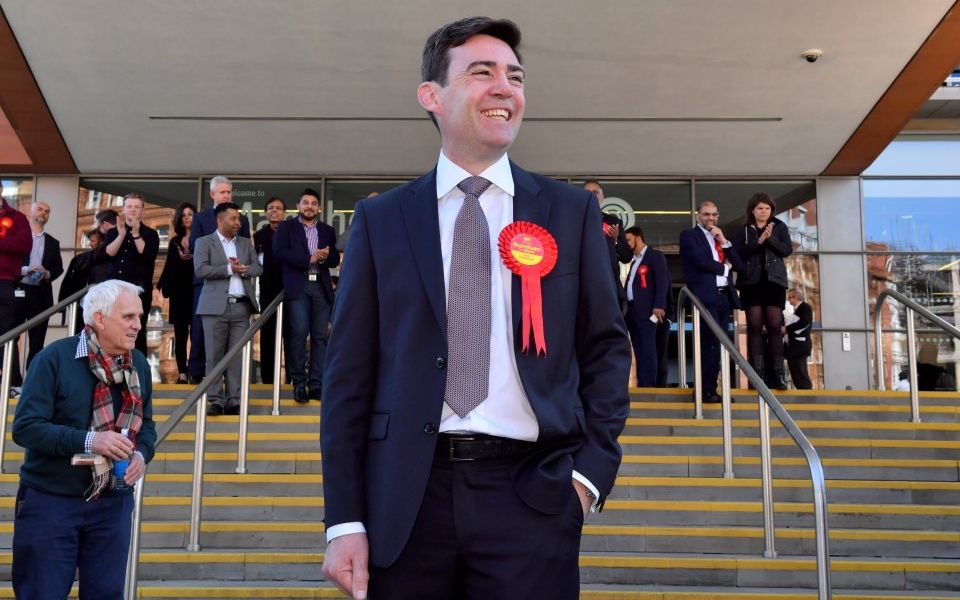
Last year, six new city mayors were elected to lead several combined authorities in England – Andy Burnham (Greater Manchester), Andy Street (West Midlands), Steve Rotheram (Liverpool), Tim Bowles (West of England), James Palmer (Cambridgeshire and Peterborough), and Ben Houchen (Tees Valley).
In May this year, they were joined by Dan Jarvis (Sheffield City), and together these mayors represent approximately 11m people – or more than 20 per cent of England’s population. Each mayor took control of devolved powers from central government over matters such as transport, housing, planning, skills, and economic development.
The election of these new mayors could not have come at a more important time. New mayors can kick-start the policymaking process on key matters in their respective patches. They will also be well placed to navigate their constituencies through the choppy waters of Brexit over the next few years – at a time when regional England will need especially strong local leadership to ensure that no city-region is left behind.
With councils and boroughs retaining control over local services, the metro mayors represent a high profile, bigger-picture approach to regional issues; their broader remit allows them to take a leadership and advocacy role within the structures of government, and a more forward-looking view of major issues and prospects for their area.
The allocation of a 30-year investment fund to these mayoralties takes at least part of their funding and fiscal planning out of short-term political cycles, allowing for longer-term initiatives to target region-specific issues.
Already, city mayors have done a huge amount to promote their constituencies internationally, forging important global links and reputations that will be extremely valuable post-Brexit. Liverpool and Shanghai, to take just one example, have further strengthened their relationship as “twin cities” over recent months, with trade, investment, and creative partnerships and missions. This type of connectivity – and the related opportunities for international trade – will only increase in value as a more global Britain seeks to find its feet after our departure from the European Union.
Moreover, an interesting phenomenon is taking place, with metro mayors from different parties showing early signs of collaborating with one another in order to ensure that lessons are learned and successes and benefits shared. Given the party lines that dominate British politics at every level, this could be indicative of a major shift away from the bunker politics, which have sometimes come into play at the national level on matters such as education and transport.
This more joined-up approach to plans and delivery will only become more important as local services
engage with digital technologies – where the government will need cohesive ways of working together to facilitate information flows and safeguard against data misuse and other risks.
At a nation level, Scotland, Wales and Northern Ireland have reached maturity when it comes to devolution.
Each tells its own story of the highs and lows of devolution, but most would agree that, on balance, devolution has been a positive move.
The new city mayors mark the next phase of devolution, and both the city and regional leaders and the national leaders can and will learn a lot from each other.
With Brexit comes new challenges and opportunities for the leaders of devolved administrations. Front of mind will be ensuring that any deal does not impact negatively on any one region or nation. Also, with duties and tasks returning from Brussels, the devolved administrations will be keen to ensure that they get their share of responsibilities – especially where this means jobs and funding.
The UK government has thus far shown a willingness to work closely and cohesively with the city mayors on some of the major post-Brexit issues. In the government’s industrial strategy, for example, mayors and their regions received additional funding for 2018-19 and 2019-20 to bolster local leadership, along with a proportion of the Transforming Cities Fund.
Effective deployment of these resources on transport and other infrastructure will be crucial for achieving the increased productivity levels that our nation so badly needs.
With some of the new city mayors heralding from a private sector background (most notably Andy Street, ex-managing director of John Lewis), there are some real opportunities for greater connectivity between
policymaking and the business world as they settle into their roles – and between the regions and London, the public and private sectors, and the UK and the world.
Within the mayoral offices, sound financial management will be a key aspect to ensuring the success of both current and future growth plans. To make a lasting impact for their regions, city mayors will need to build up these roles and offices – in both scope and reputation – and ensure that they have the necessary talent to develop and succeed at strategic and long-term initiatives.
Good fiscal management will not only set up the regions for success, but will also have a positive effect in raising standards at a national level.
Clearly, there is an important role for these city mayors to play in Britain, both today and into the future. All eyes may be focused on our Brexit planning at an international level, but domestic policymaking shouldn’t be overlooked.
For the private and public sectors alike, now is the optimal time to work with our devolved powers on opportunities like international trade and economic development; these will give the UK the best possible prospects over the next 200 days and beyond.
Read more: How to get more women to the very top of the business world