
Lessons from Mrs T: Why we need more businesspeople in parliament

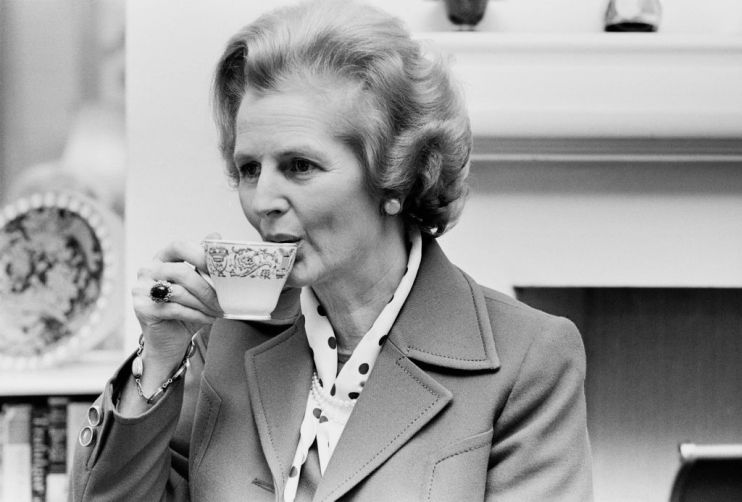
As exemplified by Margaret Thatcher’s inner circle, a bit of business nous can go a long way in Westminster, writes James Price
Fifty years ago, Britain faced a set of challenges – structural, cultural, economic, you name it – that seemed insurmountable and got the better of several generations of the best and brightest minds Whitehall had to offer. Sharp-witted City PM readers will immediately see why I have been thinking about this time period in recent months.
Then, a remarkable gathering of people coalesced around Mrs Thatcher, and were pivotal to the success of the revolution in this country’s fortunes. Geoffrey Howe and Keith Joseph tend to take much of the credit for this turnaround, influenced by the work of very academic think tanks like my own Adam Smith Institute.
But there was another small group who were true heroes and whose story is not nearly so well known. Better yet, they were all businessmen who, like Mrs T, could no longer bear to see Britain slide ever further into the sickness that was starting to look terminal. One of these was the first man to be Downing Street chief of staff, David Wolfson, who was also the first No10 staffer to have an MBA. He was recruited to help use his business experience to professionalise the party’s operations in opposition (one story says that this was sparked after a letter was sent to the Duke of Rutland that began “Dear Mr Rutland”).
Another was a personal hero of mine, John Hoskyns. He sold his company and volunteered with a few like-minded business types, writing the enormously influential Stepping Stones paper that plotted out what needed to be done in order to first analyse, then diagnose, then treat the structural problems that were destroying the country. This kind of systems thinking (and even basic management techniques like the ‘critical path’) was so alien to Whitehall that Hoskyns et al caused a huge stir when they went into No10 after the 1979 election.
In the best book on anyone’s time inside No10, Hoskyns’ Just In Time, you can see the enormous benefit that those with private sector skills and insight can bring into politics. The climax is when Wolfson, Hoskyns and economic adviser Alan Walters all plan to resign if Treasury orthodoxy isn’t defeated in favour of a deflationary Budget in 1981. They succeeded and it is now widely seen as the moment when that Thatcher project started to assert itself against the structural blockages.
My own business experience is patchy; I started aged five, working every weekend helping my parents’ balloon decoration business in proud defiance of child labour laws, but often in my roles inside government I keenly felt how much I would have benefited from spending more than a handful of my adult years in the private sector. Fortunately, I got to work for one of the most successful businessmen-turned-politicians that the UK has produced, in the shape of YouGov co-founder Nadhim Zahawi.
The UK’s world-beating vaccine rollout, sadly too-much forgotten in our understandable desire to blank out the horror of the Covid years, was a triumph of innovation and necessity stripping out the usual ways of working. And it wouldn’t have happened without Kate Bingham, the venture capitalist who was put, pro bono, in charge of the vaccine procurement, and Zahawi with his business experience.
One horror story he recounted to me was that Public Health England planned to build their own infrastructure to distribute the vaccines around the country, seemingly unaware of pre-existing supply chains and distribution networks. I’m biased in favour of my old boss, but his understanding of how business works, and therefore how people work, was priceless across the departments he ran.
I hope there’s nothing to the rumours that CCHQ are holding back seats for loyalists; they should instead try to lure those with experience of the “real world” to lend their skills and insight to the running of the country. CEOs (or KCs, top surgeons, and plenty of others) shouldn’t be expected to have vast experience of leafleting before they can apply for a seat. Britain bounced back from the problems it faced in the 1970s by rediscovering a love of the private sector, those who thrive in it and what they can achieve. We should do so again. After all, the country’s success is all of our business.