
Labour’s mutant algorithm will put houses in places that need them least

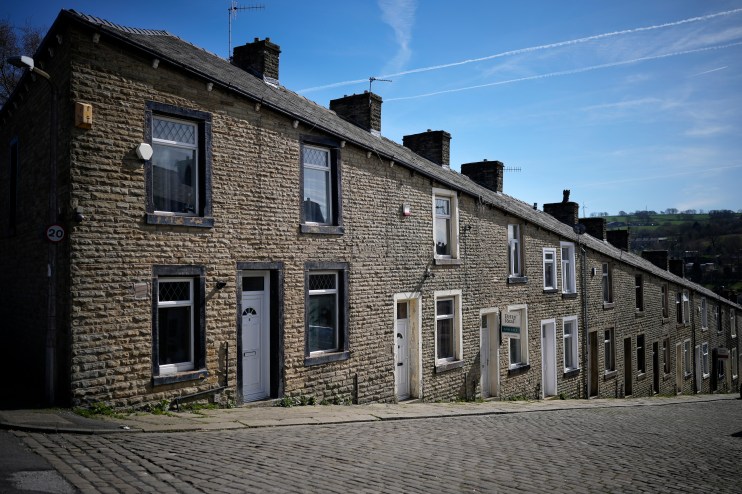
Why has Labour reduced building targets in areas where the housing crisis is most acute – like London – while blanketing more affordable places, like Burnley, with new development? It all comes down to the algorithm, explains Josh Coupland
On Tuesday, newly crowned yimby queen, Angela Rayner announced a raft of measures to get Britain building again and to urgently address the housing crisis. A government finally getting on and delivering much needed housing will be music to the ears of a generation who have found themselves unable to get on the housing ladder.
But there’s a catch – many of the new homes will be built not in the urban centres of Birmingham and London, where house prices continue to rise, but in already affordable areas like Hull and County Durham. In fact, London and Birmingham will see housing targets fall under Labour’s proposed changes to the housing formula.
At the root of the proposed changes sits a huge problem that’s creating a lot of nimby pushback and got quite a few yimbys scratching their heads. Has Labour intentionally tried to do this or has it really fudged up the formula despite the best of intentions?
They now have a similar problem to that faced by Robert Jenrick when he was communities secretary. He proposed new housing targets allocated by a formula dubbed the ‘mutant algorithm’ and faced widespread pushback from local councils and communities who hated the huge increase in housing numbers being imposed on them from the top.
Well, like the return of a long-thought dead villain in the final instalment of a sci-fi film franchise, the algorithm has made a dramatic return. This time though, it’s far worse, because rather than getting councils to build much needed housing in the right areas, albeit at levels they weren’t happy with, the new formula is pushing homes into towns and regions that simply don’t need them.
If you look at the areas of England where housing is most affordable, Hull, Country Durham, Burnley, housing targets have been fairly low in comparison to other areas of the country for the simple reason that demand to live there is quite low and supply is sufficient – hence the reasonable prices. But under the new system Burnley will be expected to build 625 per cent more homes year-on-year compared with the previous formula, and Hull and County Durham 96 per cent more.
Whilst it’s good that we encourage house building across the country, and the new rules will push up targets in the South East outside of London where homes are very much needed, it makes little sense to have a formula that by and large prioritises housing in areas where demand for new builds is comparatively low.
To take a quick look at the new housing targets for major cities – London’s target has been downgraded by 20,000, Coventry’s has been halved and Birmingham’s brought down by over 2000 homes. Yet London is where the homes are needed the most. So the question remains, why has this happened?
The answer lies in the formula used to create the targets. Instead of looking at the number of households, the formula will now use a measurement of housing stock. A move away from household growth as a measure is a good thing, not least because it completely distorts the picture of housing demand as it doesn’t account for things like the staggering rise in adults living with their parents compared to previous generations – often because they cannot afford to buy their own home and start their own families.
But a move to using housing stock also completely ignores the reality that many towns and cities in post-industrial Britain have shrunk, and the urban populations have moved, leaving behind empty or under-occupied houses. Despite these areas having a much higher ratio of homes to people compared to much denser parts of the country, they will still be required to build more, even though they’re quite evidently not needed.
It’s no bad thing building new homes in relatively affordable areas, assuming the demand is there. But to build in these areas instead of building in the places where housing really is unaffordable and demand for housing is at its highest is frankly mad. Unfortunately, the new algorithm does just that. A good formula would promote housebuilding across the country and focus on regions that need them the most.
Luckily the ‘mutant algorithm’ 2.0 is not set in stone and there is still time to amend it – to prioritise house building in areas that really need it, and where housing for the vast majority is currently unaffordable.
Josh Coupland is digital and communications manager at the Centre for Policy Studies