
It’ll take more than a big screen to revive the London Stock Exchange

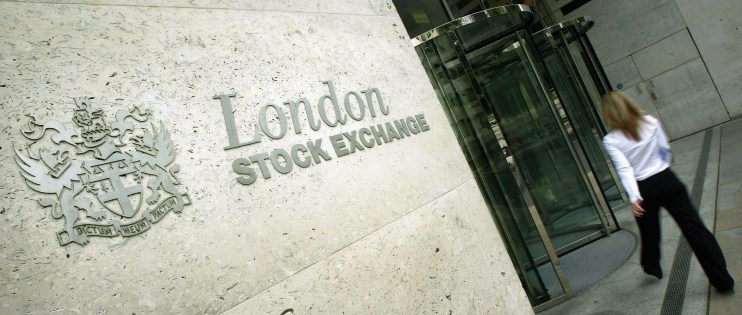
A live market screen in Paternoster Square is no substitute for the cultural and regulatory reforms we need to get companies listing in London, says Tim Focas
In what seems like a desperate attempt to breathe new life into London’s equity market, London Stock Exchange Group (LSEG) CEO Julia Hoggett has proposed installing a live market screen on the front of the LSEG’s head office in Paternoster Square. The intent is to add “razzamatazz” and publicly celebrate the successes of thriving businesses. While this initiative might add some visual excitement, it’s clear that a flashy communications stunt will not suffice to address the far deeper issues plaguing London’s listings market. To truly revive London’s listing prospects, fundamental changes are required.
London’s struggle to attract businesses for listing is multifaceted, involving regulatory, economic, and competitive factors. This week’s Raspberry Pi listing aside, the decline in major IPOs, evidenced by the absence of significant listings since Deliveroo’s problematic debut in 2021, highlights a growing scepticism among potential listers. High-profile decisions by UK tech companies like Arm to opt for New York instead of London underscore a trend of businesses looking elsewhere for their market debuts. This exodus is not just a symptom but a sign of deeper structural problems.
One of the core issues is the regulatory environment. While the UK’s Financial Conduct Authority (FCA) has been making strides to streamline regulations and make the market more attractive, the process has been slow and sometimes contradictory. Businesses need a regulatory framework that is not only clear and concise, but also flexible and adaptive to modern market demands. For instance, the listing rules need to be more conducive to high-growth tech companies that might not meet traditional profit benchmarks but have significant future potential.
Economic and political instability have also played a role in making London less attractive. Being outside the Single Market has fundamentally altered the economic landscape, creating uncertainty and reducing London’s appeal as the gateway to Europe. This uncertainty affects investor confidence and, consequently, the willingness of companies to list in London. Furthermore, the UK’s fluctuating economic policies, such as varying tax rates and changing corporate governance rules, add to the unpredictability, making alternative markets like New York and Hong Kong more appealing.
The global competition for IPOs has intensified, with other financial hubs aggressively courting businesses. For example, Six Group in Switzerland has hosted some of the largest IPOs this year, such as Puig and Galderma. These markets offer a stable regulatory environment, as well as global investor base. London needs to enhance its competitive edge by offering better incentives, such as tax breaks for listed companies, subsidies for IPO-related costs, and improved access to international investors.
Moreover, London must address cultural and market dynamics that influence listing decisions. The City’s financial culture has traditionally been conservative, with a strong emphasis on established businesses and profit histories. However, the modern market landscape is dominated by tech and biotech companies that may prioritise growth over immediate profitability. Adapting to this shift requires not just regulatory changes but a transformation in the market’s attitude towards these industries.
To truly revitalize its IPO market, London needs a comprehensive strategy that goes beyond superficial measures. There needs to be a more simplified listing procedures and offering tailored regulations for different industries, particularly tech and biotech. Any new incoming government, if it is to be Labour, needs to introduce radical economic incentives such as tax breaks, grants, and subsidies for IPO-related expenses. In addition, London needs to strengthen its position as a global financial hub by forging international partnerships and enhancing access to a global investor base. This could involve joint listings and collaborations with other major stock exchanges. Fostering a cultural shift within the financial community to embrace high-growth sectors is also imperative – this includes investor promoting the long-term potential of emerging industries.
While a live market screen in Paternoster Square might add a touch of glamour, it is not a substitute for the substantial changes needed to restore London’s prominence as the leading IPO market. Only by addressing regulatory, economic, and cultural challenges head-on, can London harbour any hopes of becoming the destination of choice for businesses looking to go public once again.
Tim Focas is head of capital markets at Aspectus Group