Skip to content
City PM
  • Germany
  • France
  • Europe
  • Markets
  • Business
  • Opinion
  • Germany
  • France
  • Europe
  • Markets
  • Business
  • Opinion
Monday 04 April 2022 2:31 pm

Is the taxman coming for your digital assets?

By: Crypto AM: Industry Voices

Add as a preferred source on Google
John Hood of Moore Kingston Smith examines the HMRC's closer scrutiny of crypto assets and the OECD's framework.

by John Hood

In a major move to bring crypto within the purview of tax authorities, the Organisation For Economic Co-operation and Development (OECD) wants intermediaries providing crypto services to individuals and businesses to automatically exchange information on transactions with the tax authorities*. The introduction of a requirement for intermediaries to report crypto transactions will revolutionise how crypto assets are perceived – and taxed.

HMRC has already published guidance on the tax implications of buying and selling crypto assets. But the Common Reporting Standard (CRS), which requires financial institutions to identify where their clients are tax resident and disclose details of their assets and transactions to the relevant tax authority, needs to be adapted to deal with the emergence of crypto trades and of non-tangible assets. As matters stand, intermediaries offering digital wallets may not be regulated or cooperating under the CRS.

The OECD wants to introduce a new framework for the collection and exchange of information for transactions in crypto assets: the Crypto-Asset Reporting Framework (CARF). The purpose of the new framework will be to uncover wider criminality including tax evasion or money laundering.

CARF will provide tax authorities with information previously considered to be hidden from them. Intermediaries will be obliged to report crypto transactions to the tax authority in which the business is based, and the information will then be exchanged with the tax jurisdiction where the client is tax resident. At present, HMRC can formally request information from intermediaries on their users or customers. The introduction of the CARF will make this automatic. HMRC will thus be enabled to build up a database of information on the types and size of transactions that they can use to risk assess individuals involved in crypto transactions.

This will mean that crypto faces closer scrutiny from HMRC. Not only will the tax authority want to know about the transactions in the relevant period, but for how long this has been going on and the extent to which the individuals concerned have profited from these activities. HMRC will be interested in where the funds came from in the first place – and not just in respect of the transactions that took place in the relevant calendar year. If the transactions haven’t been reported, users and customers face an intrusive and detailed tax investigation as to the source of the funds to acquire the crypto assets and any subsequent transactions.

The adoption of the OECD’s proposals will not avoid collateral damage. HMRC may investigate people who have invested in crypto assets as a hobby and not made sufficient profits or gains from their activities to be subject to tax. All crypto users face enhanced due diligence, and anyone affected by the announcement would be wise to seek tax advice now, before the new reporting requirements come into force.

*Crypto-Asset Reporting Framework and Amendments to the Common Reporting Standard (Public Consultation Document) (oecd.org)

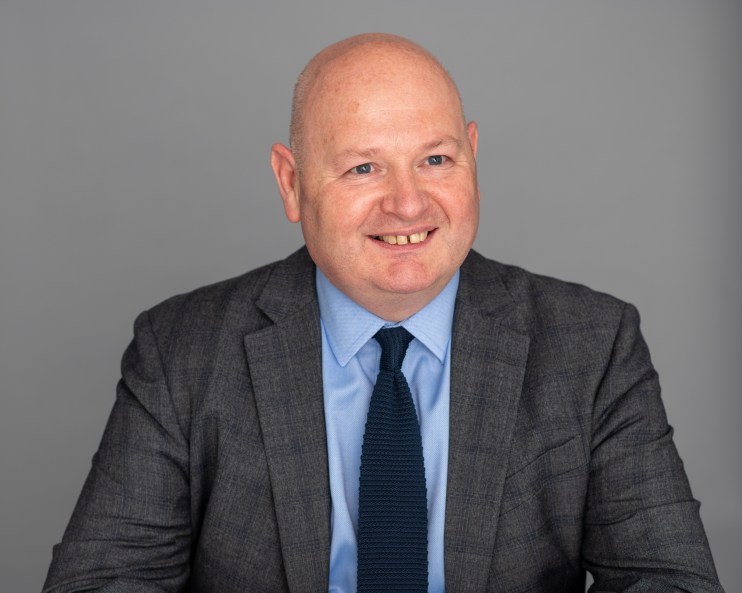
John Hood is a tax Partner with Moore Kingston Smith

Read more

Blockworks Acquires Messari, Combining the Two Largest Crypto Data Platforms

Share this article

  • Facebook
  • X
  • LinkedIn
  • WhatsApp
  • Email

Similarly tagged content:

Sections

  • Blockbeat

Categories

  • Crypto Industry Voices

Trending Articles

  • Revealed: Secret Treasury plan to tax State Pension before it is paid out

  • Two solicitors linked to Post Office scandal charged with misconduct

  • Burnham’s new chief of staff ran City firm advising Thames Water and rival Heathrow bidder

  • Barclays and Lloyds join banking sector plan for digital ID

  • Clarkson’s Farm and why businesses must stop blaming the weather

More from City PM

  • Blockworks Acquires Messari, Combining the Two Largest Crypto Data Platforms

    Business Wire
  • OKX Launches X-Perps on the Magnificent 7 Stocks, Gold, Silver and Oil for European Traders

    Business Wire
  • HUI (HUI:VSE) Merges Traditional and Crypto Finance: Commences Continuous Trading in Vienna With Leading Market Maker and Announces Impending Token Listing on Major Global Exchange

    Business Wire
  • The world runs on English law – let’s make the most of it

    Opinion
    The SRA has criticised law firms that handle high-volume consumer claims for poor practices
  • DFNS Rebrands as the Core Banking Platform for Digital Assets

    Business Wire
  • Premier League clubs warned crypto deals could be worthless in a year

    Sport Business
    Man in business suit speaking at a conference podium, addressing a large audience in a modern convention center.
  • Here’s how a levy on assets could work, just don’t call it a wealth tax

    Opinion
    The exterior of the Toprak mansion is seen on The Bishops Avenue in Hampstead in London. (Photo by Andy Shaw/Bloomberg via Getty Images)
  • Burnham adviser floats higher tax on pension funds’ overseas investments

    Economics
    Andy Haldane speaking at a business conference, gesturing with hands, wearing a suit and tie, addressing economic issues.

City PM — European politics, business and analysis.

Europe

  • Germany
  • France
  • Europe
  • UK & Ireland

Topics

  • Business
  • Markets
  • AI
  • Technology
  • Opinion
  • Energy

More

  • Politics
  • Economics
  • Fintech
  • Legal
  • Sport
  • Life

Company

  • About City PM
  • Editorial Policy
  • Corrections
  • Contact
  • Terms of Use
  • Privacy Policy
  • Cookie Policy
© 2026 City PM · Published by CityPM Media, Bahnhofstrasse 65, 8001 Zürich, Switzerland
About · Editorial Policy · Corrections · Contact · Privacy