
Pressure on Bank of England and Reeves as inflation spikes

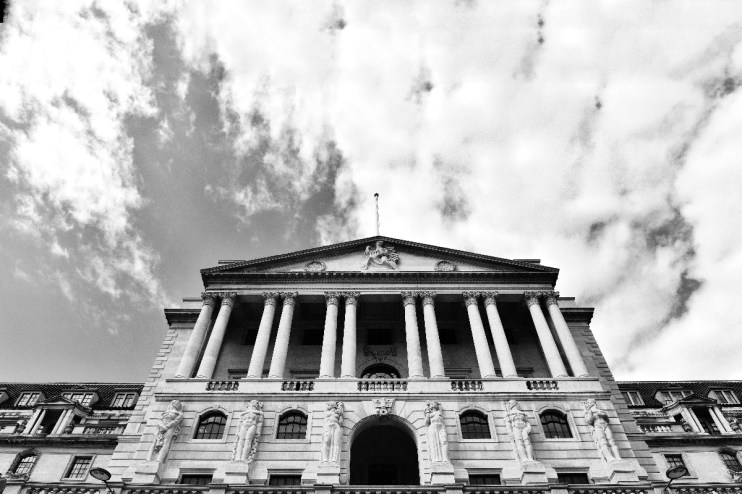
The UK economy is at risk of ‘stagflation’ after official data revealed that inflation edged up to 3.6 per cent in June, putting further interest rate cuts by the Bank of England at risk.
In the latest set of price growth data before the next monetary policy decision in August, the Office for National Statistics (ONS) reported that price growth remained well above the Bank’s two per cent target rate.
Services inflation was 4.7 per cent in the year to June, the official statistics body also revealed.
A Bloomberg poll of economists predicted inflation would hit 3.4 per cent in the year to June.
It is the third month in a row that inflation has remained above the three per cent mark, presenting a challenge to Bank of England rate-setters voting for cuts.
Richard Heys, acting chief economist at the ONS, said a rise in motor fuel prices and food inflation had pushed the rate higher.
AJ Bell’s Dan Coatsworth said: “There is a real threat of stagflation as the rate of inflation moves higher and the economy is stuck in the mud,” adding that the data leaves the Bank’s rate-setters “in a tricky situation.”
Chancellor Rachel Reeves said: “I know working people are still struggling with the cost of living.
“That is why we have already taken action by increasing the national minimum wage for three million workers, rolling out free breakfast clubs in every primary school and extending the £3 bus far cap. But there is more to do and I’m determined we deliver on our plan for change to put more money into people’s pockets.”
The initial jump in inflation in April was primarily due to increases in prices following Rachel Reeves’ higher taxes, which included a rise in employers’ national insurance contributions (NICs), a rise in the national minimum wage, and soaring utility bills.
Consumers could see prices inch up further this summer before a gradual decrease, according to forecasters.
Markets believe that rate-setters will vote for a cut despite some hesitancy among some economists.
The Bank of England’s last forecast predicted that inflation could rise to 3.7 per cent in September before gradually falling to two per cent over 12 months.
Capital Economics’ Ruth Gregory said the unexpected rise in inflation would “add to the pressure on the Bank to continue to cut rates at a gradual pace”.
“With the jobs market stuttering, wage growth weakening and the PMIs pointing to services inflation ending the year at just 3.0%, this may not be enough to cause the Bank to deviate from its quarterly rate cutting path,” Gregory said.
“But we think that CPI inflation will rise a bit further in the coming months, and the risk is that this increase proves more persistent and rates are cut more slowly than we expect, or not as far.”
Coatsworth added that “Plenty of companies are feeling the pressure of extra employment-related costs and they’re reluctant to hire new people when someone leaves; others are already cutting positions.
“This means the Bank is stuck between a rock and hard place. It suggests that the Bank might adopt a slowly, slowly approach to rate cuts, bringing them down gradually rather than the rapid pace which many had expected earlier this year.”
Inflation release precedes jobs data
Bank of England officials may be more concerned about upcoming labour market data published by the ONS.
Economists expect the official data body to revise the number of people pushed out of work in May from 109,000 to around 50,000.
Jobs data could be a sticking point for rate-setters, including Bank of England Governor Andrew Bailey, who has raised concerns about a “softening” in the labour market and “slack” opening up.
At the last interest rates meeting, just three MPC members – external members Swati Dhingra, Alan Taylor and deputy governor Alan Ramsden – voted for a 25 basis point cut.
All eyes will be on chief economist Huw Pill’s next move after he voted against the consensus in May to hold interest rates, claiming they had fallen “too fast” and fuelled higher levels of inflation.
The Bank has reiterated its belief that interest rates will be cut in upcoming meetings, but it has previously warned that the UK was not on a “pre-set path” to lower borrowing costs due to sticky inflation.
Analysts at Pantheon Macroeconomics believe the Bank will make only one more cut in the next year, while Capital Economics predicts rates could be cut to three per cent by the end of 2026.