
In defence of Band Aid (kind of)

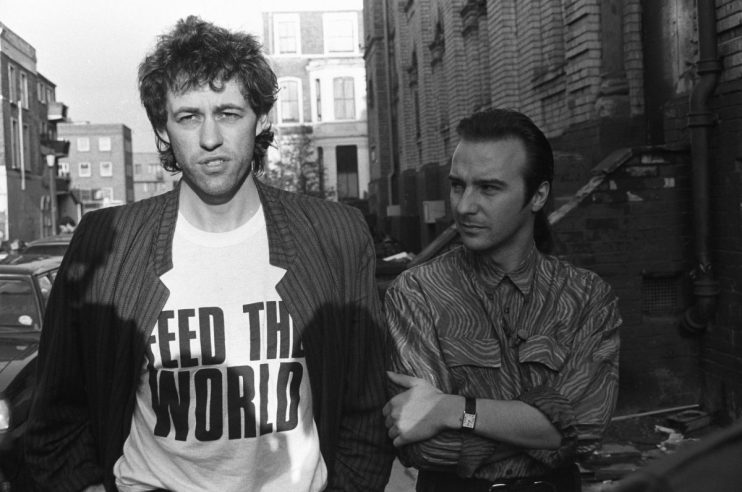
Arguments about whether Band Aid is patronising are as old as the song itself, but they map oddly onto contemporary political divides, says Will Cooling
If the Americans have film bros arguing over whether Die Hard is a Christmas movie, then we Brits have debating the merits of Band Aid as an alternative festive pastime.
For four decades the millions of people fed and hundreds of thousands of lives saved by a song have been placed on one side of the ledger, with the other side full of either cynical accusations that the whole thing was nothing but a publicity exercise, or more sophisticated critiques that the song’s message was simplistic or even counterproductive. This debate has gone into overdrive this year, with Ed Sheeran disassociating himself from the 40th anniversary mash-up of the previous four versions that includes his vocals, and endorsing Ghanian-British rapper Fuse ODG’s critique of the record for promoting a White Saviour complex.
In many ways Band Aid is struggling with the consequences of its success. Sir Bob Geldof’s biggest victory in 1984 wasn’t the money the Band Aid record or subsequent Live Aid concert raised directly, but the way he used his celebrity to force governments to dedicate resources to tackle the famine in Ethiopia. In the 40 years since, governments have gotten better at putting in permanent structures to both build capacity in developing countries but also to move quickly when emergencies occur. Likewise, there’s generations of people who – having grown up in the shadow of either haunting images of starving communities, or merely their favourite musicians demanding they be more charitable – maintain recurring donations to charities rather than waiting for a crisis-linked fundraiser. This more sustainable funding model allows most modern charities to eschew the shock tactics that Geldof used to capture everyone’s attention in the mid-80s.
What’s wrong with being a woke do-gooder?
What’s curious about this debate is that these arguments are as old as the song, but they map oddly onto modern political divides. One of the key figures behind Band Aid, music promoter Harvey Goldsmith, attacked Sheeran as a “woke do-gooder”, seemingly oblivious to the fact that his longstanding commitment to charitable work would clearly make him a do-gooder in most people’s eyes. Likewise, when you listen to Fuse ODG’s criticism you hear the echo of longstanding right-wing criticisms of not just the work of Band Aid but international aid more generally. His argument that Africa is actually a continent of tremendous wealth and opportunity, one that Westerners should think more about through the prism of tourism and trade that charity is undoubtedly correct; as he put it pointedly, its better for Africa if a Westerner spends £2,000 on a holiday than if they donate £2 to a relief appeal. Even more identitarian objections do not neatly overlap with left-liberal preoccupations; Fuse ODG shares the objection of many to the suggestion that Africans do not know it’s Christmas, with Ethiopia in particular having a more longstanding Christian tradition than Britain.
Britain today has a more intimate relationship with Africa, with many not just having been born or lived there but having friends or family that still reside there
Such confusion speaks to how Britain’s relationship with Africa has changed. The first Band Aid record was released around the time that Black African migration into Britain began to increase, with numbers of this first wave peaking in the noughties. Britain today has a more intimate relationship with Africa, with many not just having been born or lived there but having friends or family that still reside there. Indeed, one of the most significant income streams for African countries are the remittances that the diaspora sends back to their families.
And this is how to make sense of the fractured debate over Band Aid. Sir Bob Geldof is an old man who wants to keep doing things the way that he always has and doesn’t see why he should change when his ways have helped so many people. That’s an understandable, if perhaps, misguided reaction to criticism from younger generations. Society may have changed around him but we should all be grateful that when people were struggling 40 years ago, he got up and did something.
Will Cooling writes about politics and pop culture at It Could be Said Substack