
How to close the tax gap

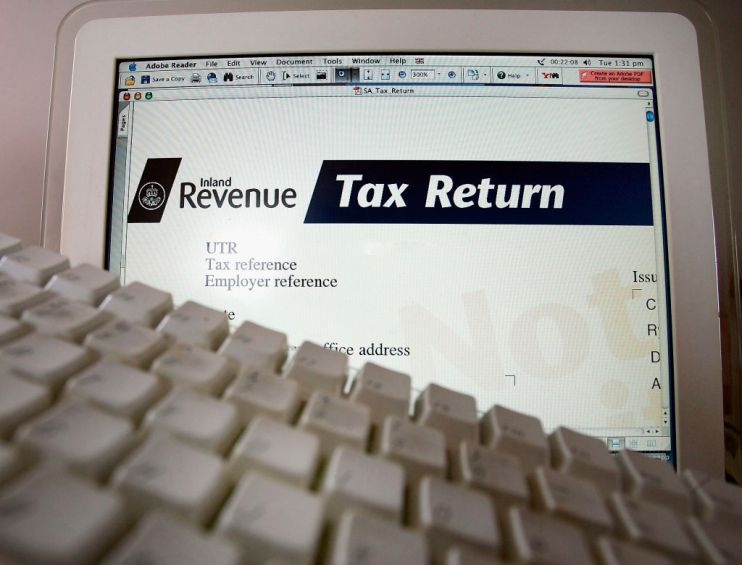
Politicians love to talk about the tax gap as a pain-free revenue-raiser, but there is a genuine difference between tax owed and what’s collected, mostly because the system is far too complicated, says Tim Sarson
Last week the Shadow Chancellor Rachel Reeves summoned up an old favourite of British fiscal administration: the tax gap. Labour aims to deliver additional tax revenue of £5bn per year by the end of the next parliament by, amongst other things, putting more resources into HMRC and investing in technology.
The tax gap has been a talking point long enough now to qualify for chestnut status. Reducing it is a handy way for politicians to find cash behind the sofa without worrying the public about tax hikes or public service cuts. Like other old chestnuts, mention of it tends to elicit raised eyebrows amongst those in the know. It may not yet be as hoary as its stablemate “public sector efficiency savings” but it’s getting there.
But the tax gap is a real thing, and closing it is a worthwhile and achievable thing to do.
So, what exactly do we mean by tax gap? It’s the difference between the revenue the government should be bringing in based on the proper application of the current UK tax rules, and what it actually collects.
Note “the proper application of the current UK tax rules”. Loopholes, another of those things politicians love to close (also featured in Reeves’ paper), are not part of the tax gap. The term “loophole” gets thrown around rather loosely, but it’s generally taken to mean a known feature of the tax code that gives taxpayers a better treatment than you might expect given the assumed intent of the legislation. A loophole isn’t the same as a tax incentive either. When you hear people talk about ISAs, Business Assets Disposal Relief or the patent box as “loopholes” they’re really stretching the meaning beyond breaking point.
But back to the tax gap. Why is it there? Because taxpayers sometimes pay the wrong amount of tax. I’d put this into three big buckets. The first is deliberate tax evasion: when an individual or organisation deliberately hides taxable income from HMRC or takes a deduction for non-existent costs. This could be anything from global scale tax fraud, to paying bar staff cash in hand.
Then there’s aggressive tax avoidance where taxpayers take positions in their tax returns that are deliberately at odds with the intent of the legislation, and likely to fail under enquiry or litigation. And finally there’s accidental non-compliance, where someone pays less than they should either through ignorance, or a lack of due care.
There’s a fourth category usually included but which I don’t think belongs in a good faith discussion of the gap. That’s where the taxpayer and HMRC have a genuine disagreement on the treatment of an item in their tax return. Resolving these disagreements is what our commissioners and courts are for.
A tax gap exists in all economies. It thrives whenever transactions can be hidden from the view of the authorities. That’s why cash and the informal economy are such scourges of the taxman. We’re lucky as a developed country that a large proportion of our tax is collected automatically at the point of sale or in the monthly payroll. Our gap is small compared to some other countries, and it’s shrunk as a proportion of theoretical liabilities from 7.5 per cent in 2005/2006 to 4.8 per cent in 2021/22.
According to HMRC roughly half of the tax gap in personal and corporate tax is down to accidental non-compliance by big and small taxpayers alike. Much of the rest is down to tax fraud and evasion, especially in VAT. It’s no surprise VAT was first in line for HMRC’s ‘making tax digital’ treatment. By digitising transactions you increase supply chain transparency and make it much harder to conceal or distort activity. Equally unsurprising is that much of Labour’s plan focuses on using technology to digitise collection.
In any case not all tax can realistically be digitised in the short term. Some remains self-assessed by individuals and businesses. That’s where HMRC boots on the ground are important. Inspectors may not wander the streets like parking wardens, but the logic is the same. The more people you have checking up on returns, the more non-compliance you’re going to catch, and the more care people will take before submitting their returns in the first place.
But the final important piece of the Jigsaw is simplification. I’ve written before about the problems our over-complicated, distortive tax system can create. Complexity also guarantees you a stubborn tax gap.
Like all forms of bureaucracy, if you make it too hard to comply then people cut corners. There are still wide sweeps of our tax rules, from how companies calculate their R&D credits or capital allowances to how individuals determine what their main residence is for Capital Gains Tax purposes, where greater certainty would bring better compliance. This should be one thing that unites the taxpayer and the tax authority.
So yes, the tax gap is an old chestnut and a tough one to crack. But it’s worth a go.