
Health on the high street
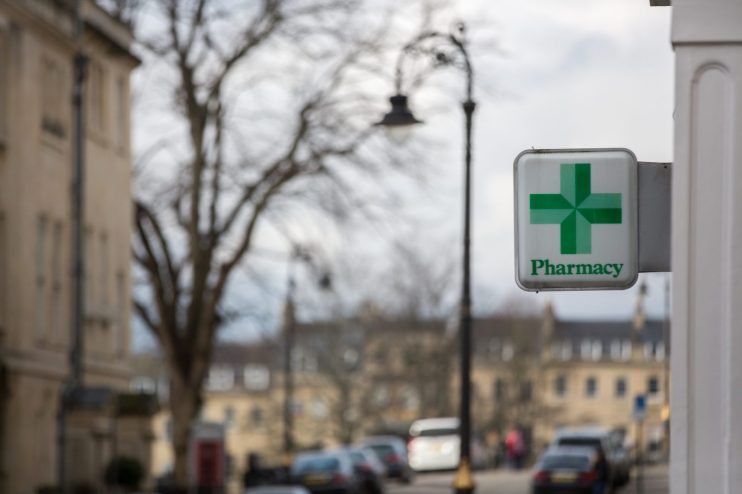
This year has presented a new set of challenges to the high street, which have the potential to change the face of this British institution as we know it.
Even before the onset of the Covid-19 pandemic, recent years have seen hundreds of thousands of retail jobs lost and a huge number of much-loved stores close.
Coronavirus has further exacerbated an already bleak situation, epitomised in recent weeks by the sad news from Arcadia and Debenhams.
The health of the high street often acts as a representation of the health of our nation too, both socially and economically. This has been especially true during this crisis, when our society has come up against unprecedented challenges.
Covid-19 has disproportionately affected people living in the most deprived areas, further intensifying health and social inequalities. Those inequalities are a challenge that will persist long after this crisis subsides. And if we want to tackle them, perhaps the changes underway on our high streets can offer an opportunity.
In order to determine the full extent of the health and social inequalities in the UK, independent researchers from Imperial College London and Philips UK recently launched a collaborative report entitled “Reducing Healthcare Inequality and Enhancing the NHS”.
The findings underscore the pressures the NHS is facing in managing rapidly growing patient demand with finite resources, while also identifying the areas of our care system which urgently need our support.
The resilience shown by the NHS in the face of this unprecedented global pandemic has been remarkable. But as the focus switched to Covid-19, waiting times for diagnostics, consultant-led treatment and cancer care spiked, and are now at record high levels.
Immediate steps need to be taken to support the NHS to speed up access to non-Covid services. And the solutions could come from an unexpected source: the high street.
We are already seeing new ways of managing health emerge that will disrupt existing systems of care delivery, such as telemedicine and appointments via phone and video. The Covid crisis has also seen retailers, such as pharmacies and supermarkets, step in to provide health and wellbeing services during the height of lockdown.
But we can go further. The rapid changes occurring across both our health system and on our high streets present an opportunity to accelerate this shift, bringing care closer to the people who need it most.
Diagnosis should be a key focus. Already, rapid pathways to diagnosis, as recommended by NHS England, are being developed through a network of elective Community Diagnostic Hubs. These “hubs” will overhaul the way diagnostic services, such as CT scans and X-rays, are traditionally delivered by moving them away from hospital settings and closer to patients’ homes, for example on the high street or in local shopping centres.
These developments help prepare for an anticipated surge in demand for diagnostic services over the next five years. Considering that potential for acute hospital site expansion across the country and particularly in London is severely limited, being open-minded about where such services can be accessed is critical.
While community diagnostics will require investment in care pathways, facilities, equipment and workforce, there is potential for these “one-stop shops” to be set up in accessible places — providing services to people in the spaces they might more regularly attend and where transport networks are already well established. Where better than the UK’s troubled high streets, whose empty storefronts can be reimagined as community healthcare hubs?
It is crucial that the lessons learned during the crisis are carried forward and that access to high-quality healthcare and the latest medical technology is fairly distributed, leaving no one behind.
Creating new, agile pathways for people to access care will be a key step in both easing the growing burden on the NHS and reducing healthcare inequalities. It’s time to bring healthcare out of the hospital and onto the high street.
Main image credit: Getty