Skip to content
City PM
  • Germany
  • France
  • Europe
  • Markets
  • Business
  • Opinion
  • Germany
  • France
  • Europe
  • Markets
  • Business
  • Opinion
Thursday 24 August 2023 6:00 am  |  Updated:  Friday 15 September 2023 11:50 pm

Great British Railways is a hit. So why is the government not delivering it?

By: Guy Taylor

Transport Reporter

Add as a preferred source on Google
Nearly all of London services punctuality declined
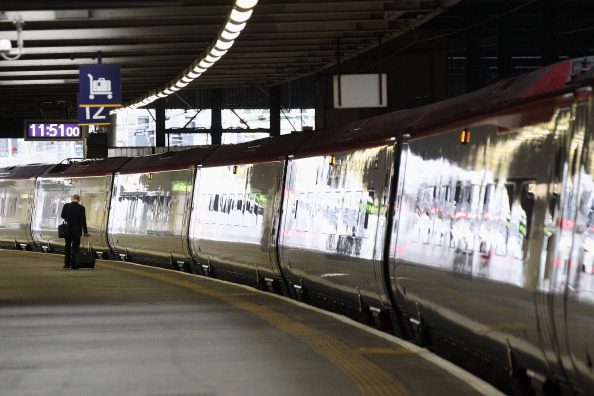
Punctuality of nearly every train service in London has declined over the last year, according to the ORR.

The future of the proposed Great British Railways (GBR), one of the biggest planned shake-ups of Britain’s rail sector in decades, is at a crossroads.  

Initially put forward by Boris Johnson in 2021, the plan was to create a state-owned public body to act as a unifying ‘guiding mind’ for Britain’s struggling rail sector.

The body would reduce pesky ministerial meddling and provide oversight and accountability for the complex web of different groups which make up Britain’s rail network.

It was seen as a fix for a crisis-hit railway service that has never truly recovered from the pandemic, with delays across the network and industrial action now commonplace.

But the reforms have been delayed and have fallen well down the legislative agenda of recent governments.

GBR was initially included in last springs’ Transport Bill, but was scrapped in October by the then-transport secretary Anne-Marie Trevelyan, who said it would not go ahead in the current session.

The government insists it “remains fully committed” to the plans, but recent reports have hinted at attempts to water down or scrap it entirely.

The rail sector, meanwhile, believes that bringing GBR legislation forward is the number one priority and many are concerned a fast approaching general election could push things back further.

Writing in The Times last month, Iain Stewart, chairman of the Transport Select Committee warned that “without legislation soon… the chance to fix Britain’s railways and deliver rapid improvement for the customer is slipping away and alternative reforms could become more salient.”

Stewart told City PM that although some of the work on GBR could be done without legislation, bringing it forward, in either primary or secondary form, would give “passengers and the industry much reassurance.”

Read more

London’s heatwave is a boon for Lime bikes

Lime faces growing scrutiny over its safety record.

There is also the vital aspect of giving businesses and infrastructure investors’ the confidence to invest in a sector that has faced huge financial difficulty since the Covid pandemic.

In May, 60 business leaders in the rail and infrastructure sector wrote to Prime Minister Rishi Sunak for that reason, urging him not to delay legislation that would establish GBR beyond the current parliament.

Darren Caplan, chief executive of the Railway Industry Association – a representative body who organised the letter – told City PM the government must push on with the legislation to give “rail customers, businesses and infrastructure investors the certainty they require.”

Underpinning it all though is Network Rail, the body which manages the entire system’s infrastructure.

The group has faced significant financial and operational issues under a system which gives the Treasury and the Department for Transport close control of its operations.

It swung to a £1.1bn loss earlier this year and has come under political and regulatory pressure for ongoing poor performance.

A Network Rail official described the degree of government involvement in running the rail network as “not sustainable,” adding that “reform is needed and a new ‘guiding mind’ created to take on the responsibility for the strategy and direction of the industry.”

The spokesperson told City PM that “GBR is currently the only way on the table to resolve the biggest issues of responsibility and cost on the railway.”

Britains’ railways need an urgent fix and while there is no one solution, the sector remains surprisingly unified in giving its backing to GBR – it just needs to be delivered.

Read more

BCC’s Haviland: Burnham must make growth his number one priority

Shevaun Haviland, British Chambers of Commerce boss, speaking at a business event, emphasizing economic growth strategies

Share this article

  • Facebook
  • X
  • LinkedIn
  • WhatsApp
  • Email

Similarly tagged content:

Sections

  • News

Categories

  • Transport & Infrastructure

Trending Articles

  • Burnham tax plans spark investor rush to bank capital gains

  • Brewdog chief executive quits after only one year

  • Housebuilding giants hit with £4.5bn lawsuit for allegedly overcharging buyers

  • UK ‘no longer a serious place’ says Hedge fund boss after losing £200m tax battle

  • Canary Wharf’s reinvention is a triumph

More from City PM

  • London’s heatwave is a boon for Lime bikes

    Transport & Infrastructure
    Lime faces growing scrutiny over its safety record.
  • BCC’s Haviland: Burnham must make growth his number one priority

    Business
    Shevaun Haviland, British Chambers of Commerce boss, speaking at a business event, emphasizing economic growth strategies
  • British pensions are about to bankroll the American tech revolution

    Opinion
    SpaceX Falcon 9 rocket launching into a clear sky during May 2026 mission, showcasing advanced aerospace technology
  • UK manufacturers facing ‘steel quota cliff edge’

    Industrials
    The steel industry has been particularly badly hit by rising energy costs
  • London Tech Week was ‘complacency in conference form’

    Tech
    London Tech Week conference attendees discussing UK tech sector challenges and structural issues in a conference setting
  • Ignore the green gloomsters, climate change is a huge opportunity for Britain

    Opinion
    Stunning Mediterranean-inspired landscape in Britain with lush greenery and vibrant blue skies.
  • Steel tariffs watered down after industry backlash

    Industrials
    Britains steel industry facing challenges with potential shutdowns and job losses, highlighting economic impact.

City PM — European politics, business and analysis.

Europe

  • Germany
  • France
  • Europe
  • UK & Ireland

Topics

  • Business
  • Markets
  • AI
  • Technology
  • Opinion
  • Energy

More

  • Politics
  • Economics
  • Fintech
  • Legal
  • Sport
  • Life

Company

  • About City PM
  • Editorial Policy
  • Corrections
  • Contact
  • Terms of Use
  • Privacy Policy
  • Cookie Policy
© 2026 City PM · Published by CityPM Media, Bahnhofstrasse 65, 8001 Zürich, Switzerland
About · Editorial Policy · Corrections · Contact · Privacy