
Government should rethink rates holiday as economy kicks back into life

John Webber is Head of Business Rates at Colliers International
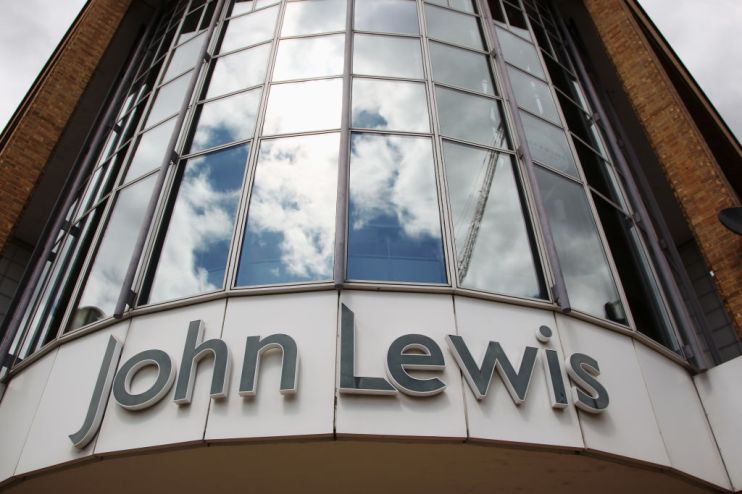
News that John Lewis is under pressure to hand back millions of pounds in business rates relief received in this year’s retail rates holiday shows that the Government must re-think the way it uses the rates system to hand out support to businesses..
Last year every retail, hospitality and leisure business was given a blanket rates holiday- a quick response by Government to help those struggling because of the pandemic. Colliers estimate the total rates holiday was around £12 billion (£7.625 billion for retail and £4.375 billion for leisure /hospitality).
However, this blanket approach also meant that supermarkets who were able to stay open through the national lockdowns also benefitted from the rates holiday- despite many making a profit on the year’s trading. Similarly, some businesses, able to take advantage of their on-line capabilities also did better than expected.
Read more: Rishi Sunak tells MPs he wants to raise taxes then cut them before next election
Next for example, now forecasting a profit of £670 million this year, received a rates holiday of around £164 million in 2020/21.
The result has been some “naming and shaming” and several supermarkets- Tesco, Morrison’s, Sainsburys, Asda and Aldi led the charge to pay back more than £1.7 billion in rates relief between them.
Now there is pressure for others to follow– although some such as John Lewis, are resisting due to the challenges their wider non- food business are facing. John Lewis received a business rates holiday of around £50 million and Waitrose £120 million this current year.
It’s therefore time for a re-think. The blanket approach last year was in many ways perfectly sensible. No one knew what we were dealing with in March and which companies would be able to cope better than others. The overall priority was to preserve jobs and keep the nation fed.
Nearly a year we know more. So, rather than give everyone in these sectors an automatic rates holiday, relying on a voluntary “give back”, the Government should ask businesses to apply for the rates holiday.
Retailers and hospitality companies will need to show proof of a decline in turnover or profit caused by the pandemic /lockdown to be eligible. Then neither the supermarkets nor the on-line retailers who have benefitted from the closure of physical shops would apply- unless they had undergone genuine hardship.
The government should also extend reliefs to businesses outside the retail and hospitality sectors including to those offices businesses, many prohibited from using their offices during lockdown.
Many such businesses are suffering financially, as shown by the sheer number of companies appealing their rates bills due to a material change of circumstance. In the first six months of lockdown appeals averaged 1000 a day.
Read more: China will no longer recognise Hong Kong citizens’ British overseas passports
The names of businesses applying for the rates holiday should be in the public domain- again focusing the minds of only those in genuine need to apply.
Businesses meeting the criteria should be offered a business rates holiday for the next six months. We urge the government to act quickly and announce this now to avoid new bills being sent out for the new rating list in April.
Basing the rates holiday or relief on a transparent “need” would save the Government substantial funds compared to a blanket approach and take away the embarrassment and administrative headache for companies granted the monies but feeling they should pay back.
A blanket six months rates holiday for retail and hospitality would cost £6 billion but an application only system with widened targeted usage would be no more than £4 or £5bn.
To suddenly re-introduce business rates to those sectors currently on the rates holiday would be disastrous for many and totally unfeasible given the current climate.
However, a well targeted reliefs programme announced now to businesses genuinely struggling would provide a buffer hopefully allowing more to plan to re-open and importantly, maintain jobs.
Read more: Debate: Will digital retailers continue to hoover up high street chains?