
Full stream ahead: With Spotify opting for an unusual IPO route, should investors be wary?

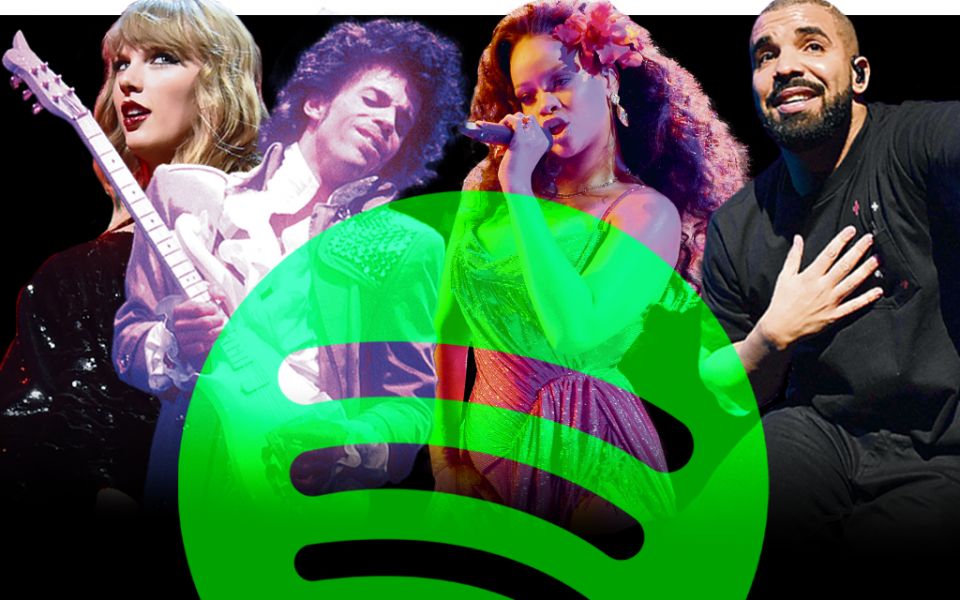
Spotify, the streaming giant that prides itself on helping people discover music, is about to go public.
The company plans to list on the New York Stock Exchange on 2 April, but it’s doing things differently – opting for a direct listing instead. This means that, instead of issuing shares, the private investors and employees can sell their holdings to the public.
This unconventional route is less costly for Spotify because it cuts out the bankers in the middle who usually underwrite the shares. But it can also lead to large swings in the share price, largely because the investment banks aren’t there to buy more stock if the price falls.
This tactic certainly goes against the grain of other tech giants, such as Amazon and Facebook, which have taken the traditional IPO route to go public.
Daniel Ek, Spotify’s Swedish founder, might hope that his company will follow in the footsteps of Netflix, which managed to increase the number of subscribers – in turn proving the merits of its high valuation, despite the company’s lack of profits.
But far from singing its praises, there are doubts about whether Spotify can pull this off.
While Netflix and Spotify might be similar in that they both purchase huge amounts of content, one of the selling points for Netflix membership is the unique content developed solely for the site – just look at Orange is the New Black and House of Cards. By comparison, Spotify differentiates itself through curated playlists and social media recommendations.
The Spotify IPO is one of the most keenly-awaited arrivals in the tech world, but IG’s Chris Beauchamp warns: “be careful what you wish for, you might just get it.”
For music-lovers, the benefits of Spotify are huge, and potential for growth in terms of the number of users is high.
But Beauchamp says the loss-making firm is a different beast for investors, warning that there are plenty of reasons to avoid the IPO.
“First, there is no lock-up period, meaning existing shareholders can get out straightaway. If they’re not willing to stick around, why should you?” The IG analyst also says that there’s the possibility of further dilutions after the IPO as the firm looks to raise cash, which should raise red flags.
“Buying Spotify would probably only be sensible if you think it will be taken over, and so far no big suitors have cropped up. It’s a great service, but whether it makes a great investment is another matter.”
Commentators frequently draw the comparison to another music streaming service, Pandora, which Spotify beat to the top spot back in 2015. “The example of Pandora doesn’t exactly inspire confidence in Spotify, given that the shares in this firm are now a fraction of their 2013 peak – and that was in the middle of one of the greatest tech bull markets in history,” says Beauchamp.
The Pandora model certainly bears some similarities to Spotify. But Jason Bohnet from AvivaInvestors points out that Spotify arguably has a better relationship with the music industry than many other streaming platforms, which gives it the upper-hand.
One major question is whether you expect there to be a tonne of people out there who are prepared to pay $10 plus for a premium subscription, says Bohnet. And if not, how many people are willing to listen to ads to support their listening time?
Bohnet says the risks revolve around three factors.
First is the risk that the market could get saturated, which could stunt the company’s growth potential. Second is that Spotify is expected to rack up a high valuation, and any disappointment might lead to the markets “re-rating” the risk.
Not having a major broker assigned to the IPO could also be a danger, the Aviva analyst says, adding: “Should there be a weak IPO, the typical supportive actions of brokers – who help to steady the stock – would not be available.” This could ultimately amplify the risks, lead to more volatility in the share price, and potentially exacerbate the situation.
There’s no question that Spotify is a hot platform, and has recently integrated new features, but Bohnet stresses that investors need to evaluate the long-term durability of the business model.
Another thing to bear in mind is that 87 per cent of the music streamed on Spotify is owned by just four music labels. “This gives these companies a healthy bargaining position when it comes to getting their pound of flesh from Spotify’s revenues,” warns Laith Khalaf from Hargreaves Lansdown.
So yes, Spotify is a high-risk investment. And yes, it has potential to make it to the big time in the public market. Just be aware of the dangers before tapping this tech firm.