
Fractured politics has its upsides – trust me, I led Vote Leave

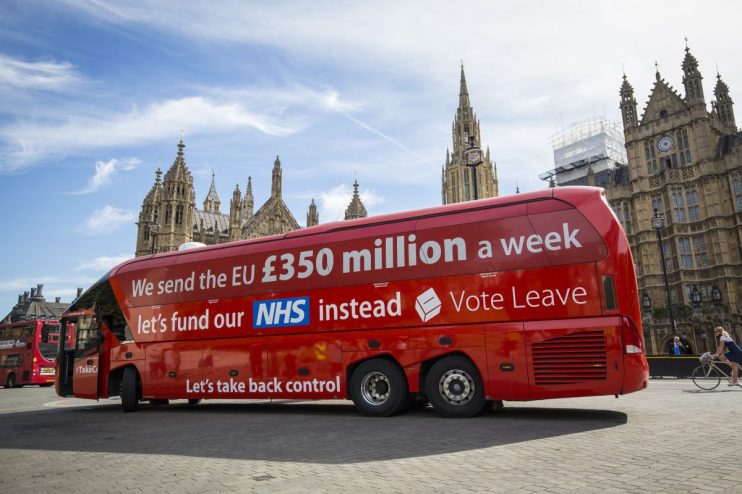
For all the challenges of multi-party politics, the policy competition it encourages is already bearing fruit, writes former Vote Leave chief exec Matthew Elliott
Policy competition is generating business support
Last week was a busy one, with the tenth anniversary of the EU referendum on Tuesday and the launch of my political memoir, Ten Years On, which recounts my time as chief executive of the Vote Leave campaign.
As part of the publicity drive, I was interviewed by City PM’s editor Christian May, who asked a very interesting question about the difference in strategy between the two Leave campaigns. Leave.EU pursued a core vote strategy, whilst Vote Leave focused on winning over swing voters. This gave me the opportunity to talk about the role of business in the referendum – something which is often overlooked.
Public opinion research showed that swing voters were instinctively Eurosceptic, but they were concerned about the potential economic consequences of Brexit, and they wanted to hear the pros and cons from business leaders.
This is why the Business for Britain campaign I founded in 2013 was so important, because it demonstrated that the business community was divided and, contrary to the views of many business groups, many SMEs were sceptical of the EU.
These SMEs remain largely overlooked by politicians to this day. But as our economy stagnates and our employment challenges increase, I’m hopeful that political parties will begin to pay more attention to them.
For all the challenges of multi-party politics, the policy competition that it encourages is already bearing fruit. This is particularly clear on the right. Kemi Badenoch has been very clear about the need to support small businesses, and Nigel Farage has, for all the criticism of Reform being left-wing economically, been rock solid on the importance of SMEs.
With Andy Burnham looking set to poach Andy Haldane from the British Chambers of Commerce, and James Purnell, his incoming chief of staff, having extensive private sector experience, I’m hopeful that these forces will inculcate a better policy environment for business.
The stay-outers
Alys Denby (of this parish) has written about how she is now a stay-outer, having voted Remain in 2016. She’s in good company. The growing band of people in this category include Tony Blair, Jeremy Hunt and even Gina Miller – the former City executive who challenged the Brexit process in the courts. Another City big hitter who backed Remain told me last week that he would gladly make the case for staying out publicly, should I need their support. When I cash in this chit, it’ll be front page news.
The CBI is the voice of business
One of the episodes I discuss in Ten Years On is the infamous Vote Leave protest at the CBI conference in 2016. I set up Business for Britain in 2013 to demonstrate just how many business leaders supported David Cameron’s Bloomberg Speech policy of renegotiation followed by a referendum. My ears therefore pricked up last week when the CBI’s CEO, Rain Newton-Smith, unveiled polling showing that businesses don’t want to relitigate the EU referendum: “none of the business leaders I speak to want to reopen that debate”. This is echoed by the entrepreneurs I speak to as president of the Jobs Foundation.
From enemies to lunchers
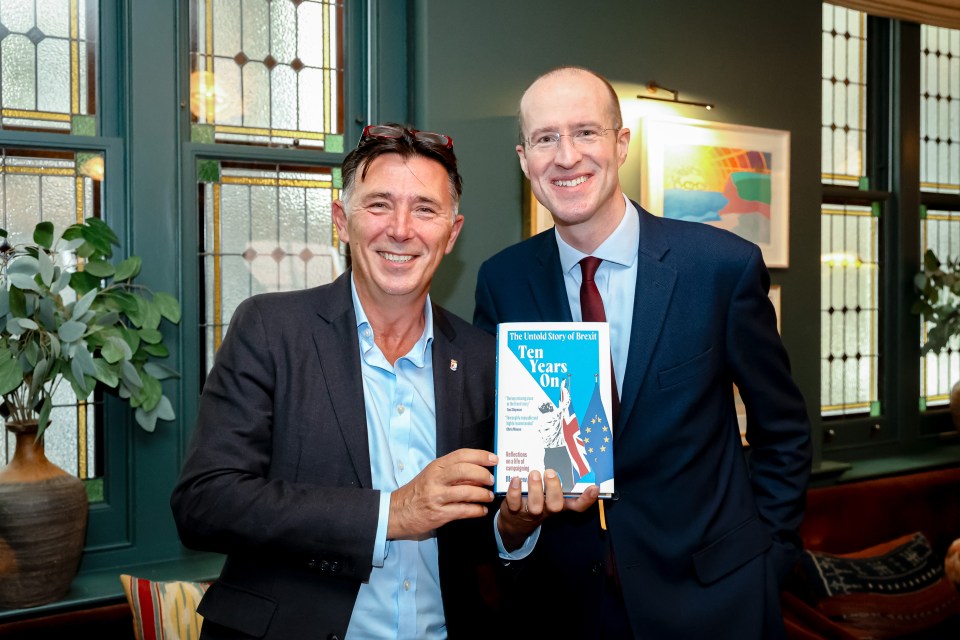
A few weeks ago, I had a breakfast event to pre-launch Ten Years On. I was especially pleased to see Andy Wigmore – one of the self-styled Bad Boys of Brexit. We were daggers drawn during the referendum campaign, but he is now a regular lunch companion. In an age of political fissures and feuds, I’m proud to now call Andy a good friend.
Quote of the week
Growth “is going to come from small businesses thriving.”
Nigel Farage. Spot on. It was refreshing to hear Farage champion SMEs at the ARC conference in London last week.
My podcast bucket list
I ticked off an item on my bucket list last week by appearing on Jimmy’s Jobs of the Future – one of my regular listens. The podcast’s popularity shows the interest in all things jobs-related – from the role of jobs in creating prosperity to the future of employment in the era of AI. We didn’t just talk about Brexit; the majority of the interview was about how to create and run effective campaigns – something I’m passionate about as a policy entrepreneur.
Previous guests include AI minister Kanishka Narayan and Zahra Bahrololoumi of Salesforce, and Jimmy discussed the debate on entrepreneurship between Daniel Priestly and Gary Stevenson with Priestly. He has also interviewed former PMs Tony Blair and Rishi Sunak. I hope Keir Starmer also makes an appearance soon.