
For whom the crypto bell polls

Elise Soucie‘s monthly column will cover policy and consultation updates from around the world, as well as the latest digital innovations in institutional markets.
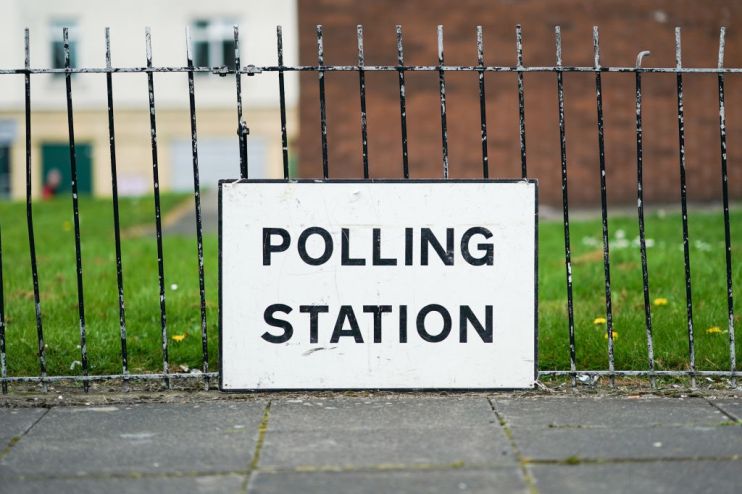
In just two weeks, the UK will have an election that is anticipated to shift the political balance of power, but will also likely have a wide-ranging impact on the nations policies, financial services included. The crypto and digital finance industry has been considering what a political shift could mean for businesses, ongoing initiatives as well as the timelines for certain pieces of the digital asset regulatory framework. While it is likely that many pieces of legislation will be slowed down or delayed, elections like this can also be a catalyst for beneficial change. There is precedent that we can examine from past elections, that provides a hopeful legislative outlook for the years ahead.
As many in the UK will remember, in May 2010 David Cameron became prime minister forming a coalition government between the Conservative Party and the Liberal Democrats, in a historic election that also followed the Great Financial Crisis (GFC). The GFC is, of course, a different backdrop than the one the nation currently sits in, yet there are other global challenges that today run parallel with the upcoming UK election.
There has been rapid inflation as well as monetary tightening, which was in effect up until mid 2023, across developed markets. High geopolitical tensions and war is being waged across multiple continents. Additionally, a little over a decade on from that 2010 election, more voters than ever in history are going to the polls to vote (e.g., US, India, Mexico, UK, European Parliament to name a just few). Here in the UK, as the election looms many expect a Labour victory and a new political era.
Yet, when considering the implications for crypto and digital assets policy and regulation (caveated with the note that your author is an American who can’t vote here), it is important to consider what this type of change can catalyse, rather than focusing on the parties and the politics.
The election of the 2010 coalition government brought about a transformative period for financial regulatory frameworks. The Financial Services Regulatory Policy of the Coalition subsequently delivered the Financial Services Act, separated the PRA from the FCA, which in turn led to new regulatory policies emerging and the regulatory landscape evolving noticeably.
The policies which were developed by these new regulatory bodies were not necessarily the product of these new and ever-changing political powers. They were instead catalysed by both the structural changes that occurred, and the broader economic and geopolitical environments which influenced the behaviours of the organisations as a whole.
It is this change that the crypto and digital assets industry can look and encourage in the coming months. Periods of overhaul provide an opportunity for sweeping regulatory reform, new mandates, but also fresh motivation and political goodwill to support ongoing and existing initiatives.
This is, admittedly, a hopeful outlook, but when considering the current place at which UK crypto and digital asset legislation sits, it is not that farfetched to consider the positives that change can bring.
For example, following the Financial Services and Markets Act which passed last year, the UK authorities have the powers to create a regulatory framework for cryptoassets and stablecoins, as well as the powers to create regulatory sandboxes. Yet as of right now in the UK the framework as it stands has:
- An AML Registration regime – noting registration is very different from supervision;
- A Financial Promotions Regime;
- The BoE & FCA Retail Stablecoins Discussion Papers – noting this covers retail markets only and is at discussion stage (with consultation and policy statement to follow);
- An initial discussion paper on a UK CBDC; and
- The BoE & FCA Digital Securities Sandbox (DSS) Consultation.
Compared to more sweeping frameworks such as MiCA in the EU, the UK still has some work to do to fully cover the activities taking place within crypto and digital assets markets. Beyond the initiatives above, there were a few proposals that were expected this summer such as a statutory instrument on staking as well as additional stablecoin guidance which will now be delayed until after the election. Additional areas for consultation also remain for the rest of the UK’s framework (e.g., issues such as redemption plans, operational resilience, trading venues, market surveillance). These also may slow down in the wake of the election.
Yet some things persist. The DSS consultation closed, and the industry remains hopeful that the BoE and FCA will continue their work at pace. Additionally, for areas that remain to be consulted on where the FCA and BoE already have been granted the powers to act, they will be able to continue to consult on these issues and work towards building a comprehensive framework.
It is crucial that this framework continues to evolve, and quickly, for the UK to remain competitive as a jurisdiction. It has a narrow opportunity to lead globally on crypto and digital assets legislation and that opportunity is closing rapidly. With the advancement of legislation like FIT21 in the US, and MiCA close to implementation in 2024-2025, the UK could soon lose its chance to be a world leader.
So perhaps, with a July election and fresh faces, interests, and goodwill in hand Westminster will be motivated as it was in 2010 to catalyse change in the financial services industry and support digital innovation in financial services that can deliver tangible benefits to the whole of the country. Just in the past few days, Sir Keir Starmer has unveiled Labour’s election manifesto, promising to “rebuild Britain” by centring both wealth creation and economic growth. As there is precedent for change, following elections. It is crucial for the industry to consider how it can best engage with the public sector in the soon to come new era.
So, to conclude on the UK elections and their impact on crypto and digital assets regulation, a slow down on many legislative initiatives and new policies is almost inevitable – yet we can remain hopeful in the face of so much change ahead. Regardless of the political outcome of the upcoming elections, change can catalyse regulatory innovation, and lead to improved outcomes for the whole of the ecosystem.