
Football regulator is reminder of uneasy link between class, control and the game

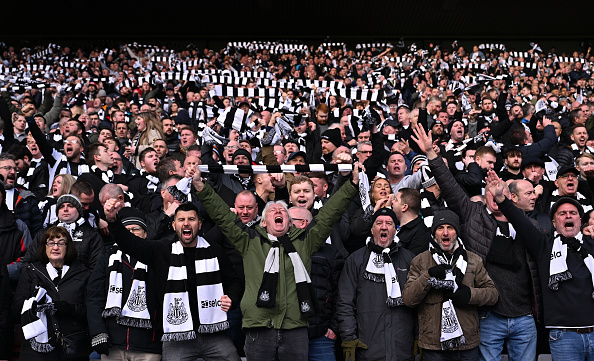
Fans should be getting more help from brands in their fight to protect their clubs (and pockets), and not left to rely on the incoming football regulator.
Will 19 March 2024 forever be remembered by fans as the day the Football Governance Bill was introduced to parliament? The law will instruct an independent regulator to oversee clubs in the top five tiers of English football.
It’s one of the few bits of legislation both Conservative and Labour agree on, and it’s been warmly welcomed by the Football Supporters’ Association after an alarming increase in club mismanagement and fan exploitation over the last two decades.
There is scepticism among many fans about how much power this new body will have. This is hardly surprising considering the perceived ineffectiveness of regulators like Ofwat and Ofgem in their lives.
But there is also hope that this could make a meaningful difference, not least because the idea came from a fan-led review.
If you want to understand why this bill matters, we need to go back in time to the very origins of organised football. The relationship between class, football and control has always been an uneasy one.
When football emerged as a growing sport in the latter 19th century, socialists were suspicious. Karl Marx saw it as an example of “commodity fetishism” – a way of distracting workers from what was really important.
Leon Trotsky went further, claiming the reason why England hadn’t seen the same revolutionary instincts as in other European countries was because they were “artificially held down by the channels of boxing, football, racing and other sports”.
There is truth in this. In his book The Victorian Paradox, historian Win Hayes explains that the rise of sport and football in particular was encouraged by a ruling class that feared the “disease, […] violence and lewd behaviour that might arise if the lower classes were not productively occupied”.
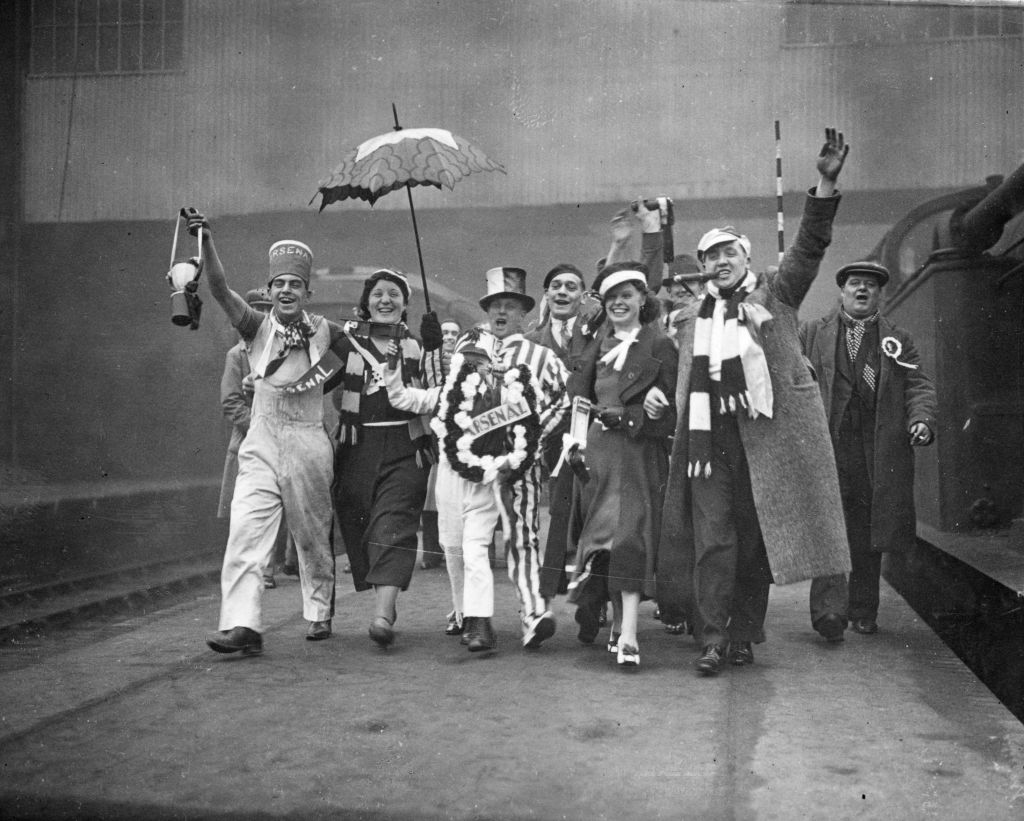
Many of the original factory teams, including current Premier League leaders Arsenal, were encouraged by the owners because not only did they keep a workforce fit and productive but it disincentivised unionism. Football is often referred to as a game of the people, but another way of looking at it is a game that controls the people.
Today, football might be unrecognisable on the pitch but the divide between those who rule the game and those who consume the game is wider than ever. Since the Roman Abramovich takeover of Chelsea in 2003 we have seen wealthy individuals – many of them from overseas – taking a feudal-like control of clubs that sit at the heart of local communities.
Out of the 20 Premier League clubs, 18 have billionaire owners, and 17 of these are international. Never before has something that means so much to so many been controlled by so few.
Why has this become normalised in football when we wouldn’t accept it in other areas of our lives? Part of this answer links back to Marx’s initial observation.
As fans, we get distracted by the benefits this cash injection will bring and we lose sight of what really matters to us. We naively see these owners as saviours with a financial commitment to the club we love. We can sell our souls without even realising it.
As more money gets pumped into the Premier League, the more the average fan is squeezed. Transfer spending in the top flight has increased by 1,000% in 20 years. The system can’t help but pass that on via increasingly expensive tickets, replica shirts and TV subscriptions.
Fourteen of 20 Premier League clubs hiked season ticket prices this season, and for a fan to subscribe to all broadcasters for the 2023-24 season it will cost more than £1,000 a year.
The exploitation isn’t just commercial, it’s cultural too. High-powered owners are used to getting their way and wield their authority freely. They do this with little regard for the history or cultural importance of that club or what it means to the identity of thousands.
The luckier ones have their logos redesigned, their stadiums renamed and even their club colours changed. For the truly unfortunate, their clubs might disappear altogether through financial mismanagement.
Not enough people see the danger in this. The Premier League of course resents the idea of an independent regulator and cites the £1.6bn it injects into the grassroots of the game. Owners like West Ham’s David Sullivan argue “why change a winning formula?”.
Even fans themselves can be blind to the problem until it’s too late. It takes something as heretical as the European Super League proposal to unite and animate loyal supporters.
As inequality in our society increases and the cost-of-living crisis bites, it’s important that brands are aware of this history of control and class divide in football. When sponsors enter into football, they contractually side with the ruling parties.
While there will be activations and competitions to keep fans amused, fundamentally brands are partners to leagues, cups and clubs. The irony of course is that it’s the exploited majority they are trying to reach.
This bill may or may not change life for football fans in England. Either way it would be nice to see more brands entering football on the side of – and fighting for – fans, not just a contributor to a system which often has them as an afterthought.
Matt Readman is chief strategy officer at creative agency Dark Horses.