
Five years on, has Covid really changed the way we work?

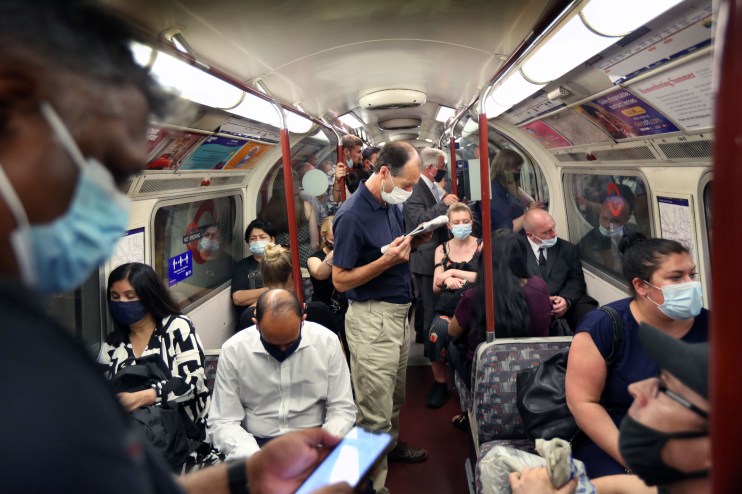
With this week marking five years since the start of the Covid-19 pandemic, Julia Turney asks whether the world of work has really changed in today’s Notebook
Five years on from the Covid pandemic
On Sunday, we saw emotional scenes unfold across the UK as the nation came together to reflect on the fifth anniversary of the start of the Covid-19 pandemic. Back in 2020, as the Prime Minister called for a nationwide “stay-at-home” lockdown, little did we know how much the ensuing months and years would have upon society as we know it today.
For one, a collective experience of loss brought us all closer together, strengthening our connections with family, friends and loved ones as we sought escape from the four walls of our homes, and the relentless news agenda.
It also reshaped our attitudes toward work, health, and community. Working from home became the norm, conversations around mental well-being and sustainability took on a new urgency, and a renewed appreciation for key workers emerged. This has now left a lasting imprint on how we live.
Beyond personal connections, the pandemic fundamentally transformed the way businesses operate and how we work. Warnings of a permanent transformation of the workplace prompted scepticism from some at the time, but it’s safe to say they were true. Once seen as temporary solutions, remote and hybrid working have now become embedded in workplace culture. In fact our recent research found that flexible working, paid mental health days and mental health check-ins all topped the list of employee priorities. This has forced employers to rethink everything from office spaces to workplace benefits, as people now expect flexibility as a given rather than a perk.
Businesses are having to balance this shift with operational needs, workplace culture and future risks. The companies doing this well have taken a moment to breathe and go back to the drawing board, leaning on data and insights to make educated decisions rather than just moving with the tide. Some are pushing for a return to the office, sparking debate about productivity, engagement and the future of work. For almost all, employee wellbeing has taken centre stage, with businesses recognising that supporting mental health and work-life balance isn’t just a moral responsibility – it’s key to attracting and retaining talent in an increasingly competitive job market.
As businesses continue to navigate these changes, one thing is clear: the employer-employee relationship has been permanently redefined, and the companies that adapt will be the ones that thrive.
The days before ChatGPT
In September 2020, Amana Fontanella-Khan, an opinion editor at the Guardian, published an article on the website titled “A robot wrote this entire article. Are you scared yet, human?” to highlight the – at the time – growing prowess of AI Large Language Models.
Now, it’s fair to say that AI isn’t just something encountered at work, but also on our social media feeds, in our music, and in our photos. With creative industries up in arms about the UK’s approach to AI and copyright, it’s a daily reminder for me about the need to balance the power and potential of AI with its ethics.
Bringing back the hobby
The start of the year is often filled with advice on physical wellbeing, but this year, I wanted to try something different. Each month, I’ve focused on activities that support my overall wellbeing – like a felting class, pottery, and next month, stained glass. When we get busy, sometimes the lines between work and personal life can blur, so it’s important to find something that helps me make that distinction while prioritising my wellbeing. It’s certainly been a great way to unwind from work and discover new hobbies.
Quote of the week:
In light of the Six Nations: “It doesn’t matter if you’ve got the best team in the world, you can’t play rugby on your own try-line.”
What I’ve been reading
Lately I’ve been reading a lot of non-fiction, and right now it’s The Book Lover’s Bucket List: A Tour of Great British Literature, by Caroline Taggart. I’m always looking for an excuse to go on a trip and this has given me a tonne of recommendations for places in the UK to visit related to literature classics. Whether Whitby for Dracula, Stratford-Upon-Avon for Shakespeare, or Bath for Jane Austen – if you’re a classic book lover like me, it gives your travels an added hint of adventure and is a perfect way to combine your love for reading with a passion for exploring the country.
Julia Turney is a partner at Barnett Waddingham