Skip to content
City PM
  • Germany
  • France
  • Europe
  • Markets
  • Business
  • Opinion
  • DE
  • Germany
  • France
  • Europe
  • Markets
  • Business
  • Opinion
  • DE
Friday 26 January 2024 2:00 pm  |  Updated:  Friday 26 January 2024 2:05 pm

Fed’s preferred measure of inflation slowed in December – how will this impact rates?

By: Elliot Gulliver-Needham

Add as a preferred source on Google
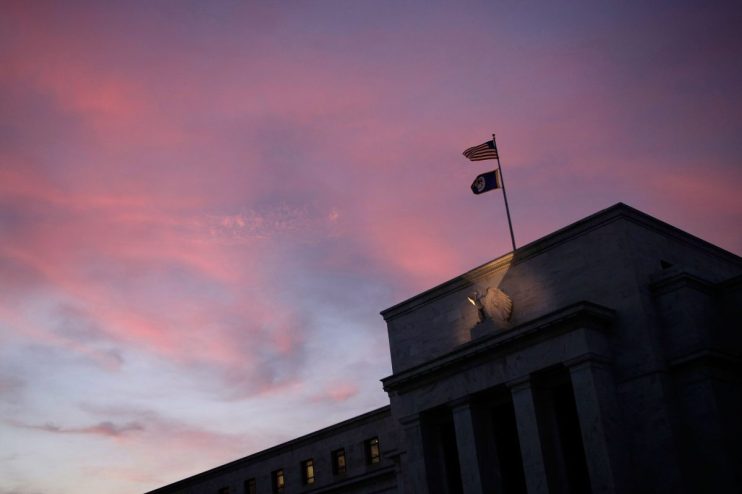
Recent economic uncertainty in the US has shifted investor sentiment

US core personal consumption expenditure (PCE) inflation, the Federal Reserve’s preferred measure of inflation, fell to 2.9 per cent in December, below expectations of three per cent and down from 3.2 per cent in November.

PCE inflation differs from the traditional measure of inflation, the consumer price index (CPI), by including a wider scope of data. CPI uses data from household surveys, while PCE uses data from suppliers, non-profits and the country’s GDP data.

PCE inflation fell to just 2.6 per cent in December, remaining steady from November’s data.

Core PCE inflation uses the same methods as PCE, but excludes commodities that can see their prices move around rapidly such as energy, and is often cited by the Fed when making interest rate decisions.

When looking over the last three and six months, core PCE inflation now sits below the Fed’s inflation target of two per cent, coming in at 1.5 per cent and 1.6 per cent respectively, having seen eleven consecutive months of decline.

Before Christmas, markets had been bullish on the Fed cutting interest rates in the central bank’s March meeting, but strong GDP data and a still-tight labour market has caused predictions to fall back slightly, now sitting at even odds of a March cut. Today’s data did little to change the odds of future cuts.

Despite the below-expectations core PCE inflation data, CPI inflation actually increased faster than expected last month, due to rising shelter costs, coming in at 3.4 per cent.

The Fed is set to meet next week but markets are all but certain that rates will be left unchanged, currently giving a 97.4 per cent chance that rates will hold steady, according to data from CME Group.

Charles Hepworth, investment director at GAM Investments, said the data “keeps alive the chance of a rate cut in March” as the core inflation rate came down to its lowest level since March 2021.

Read more

Inflation stays below three per cent despite price warning

The Bank of England is expected to hold interest rates at four per cent due to stubbornly high inflation.

Share this article

  • Facebook
  • X
  • LinkedIn
  • WhatsApp
  • Email

Similarly tagged content:

Sections

  • News

Categories

  • Economics
  • Business

Related Topics

  • US
  • US markets

Trending Articles

  • Burnham tax plans spark investor rush to bank capital gains

  • Nothing fails to file accounts months after dissolution threat

  • I’ve taken the best train trips in the world. Here are my 5 favourites

  • Cruyff turn: Starmer allows pubs to stay open for England World Cup game

  • Nottingham Forest owner Marinakis announces £210m stadium plans

More from City PM

  • Inflation stays below three per cent despite price warning

    Economics
    The Bank of England is expected to hold interest rates at four per cent due to stubbornly high inflation.
  • Inflation expectations at record high in interest rates signal

    Economics
    Bank of England building on Threadneedle Street, London, showcasing its historic architecture and financial significance
  • As it happened: FTSE 100 see-saws after inflation undershoots; Oil at $80 as Trump threatens ‘dropping bombs’ on Iran

    Markets
    Donald Trump addressing media at a press event, wearing a suit and tie, with reporters and cameras in the background.
  • Is it time to change how we measure inflation?

    Opinion
    Customers shopping in a bustling supermarket aisle filled with fresh produce and grocery items.
  • Job vacancies fall again in unemployment risk 

    Economics
    People waiting outside a job centre, highlighting unemployment issues and job search challenges in the current economy.
  • Bank of England chief economist ‘not trying to be a troublemaker’ on rates split

    Economics
    Chief economist Huw Pill said "consistency" was key to the Bank of England's quantitative tightening programme (Photo by: Graeme Sloan/Bloomberg via Getty Images)
  • Interest rates next change ‘far more likely down than up’

    Economics
    The Bank of England's Andrew Bailey will be closely monitoring movements in long-dated bonds
  • Food inflation: First signs of energy cost surge feed through to supermarket shelves as discounts fail to stem price growth

    Economics
    Tesco supermarket exterior showcasing brand signage and entrance with shoppers entering and exiting the store.

City PM — European politics, business and analysis.

Europe

  • Germany
  • France
  • Europe
  • UK & Ireland

Topics

  • Business
  • Markets
  • AI
  • Technology
  • Opinion
  • Energy

More

  • Politics
  • Economics
  • Fintech
  • Legal
  • Sport
  • Life

Company

  • About City PM
  • Editorial Policy
  • Corrections
  • Contact
  • Terms of Use
  • Privacy Policy
  • Cookie Policy
© 2026 City PM · Published by CityPM Media, Bahnhofstrasse 65, 8001 Zürich, Switzerland
About · Editorial Policy · Corrections · Contact · Privacy